Washington state's year-end emergency has been caused by record-breaking rainfall and widespread flooding. (President Donald Trump has declared a federal emergency and authorized disaster relief.) Thousands of people have been displaced and damage to major highways will take months to repair.
“It's so ironic that when there is a real emergency, this time they have chosen to fabricate an energy emergency,” said KC Golden, a member of the Northwest Power and Conservation Council, an interstate agency created by Congress to ensure reliable energy while protecting the environment.
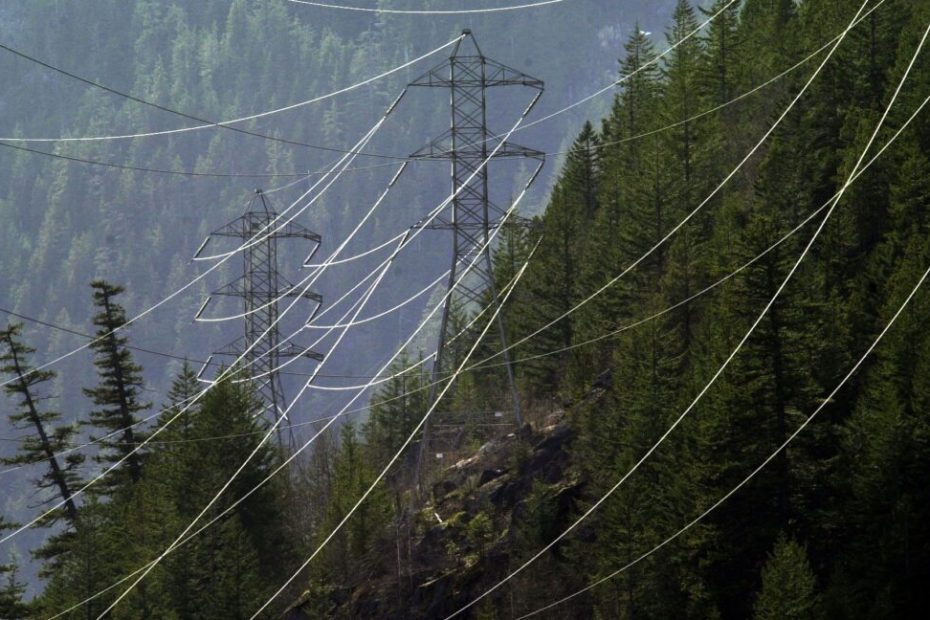
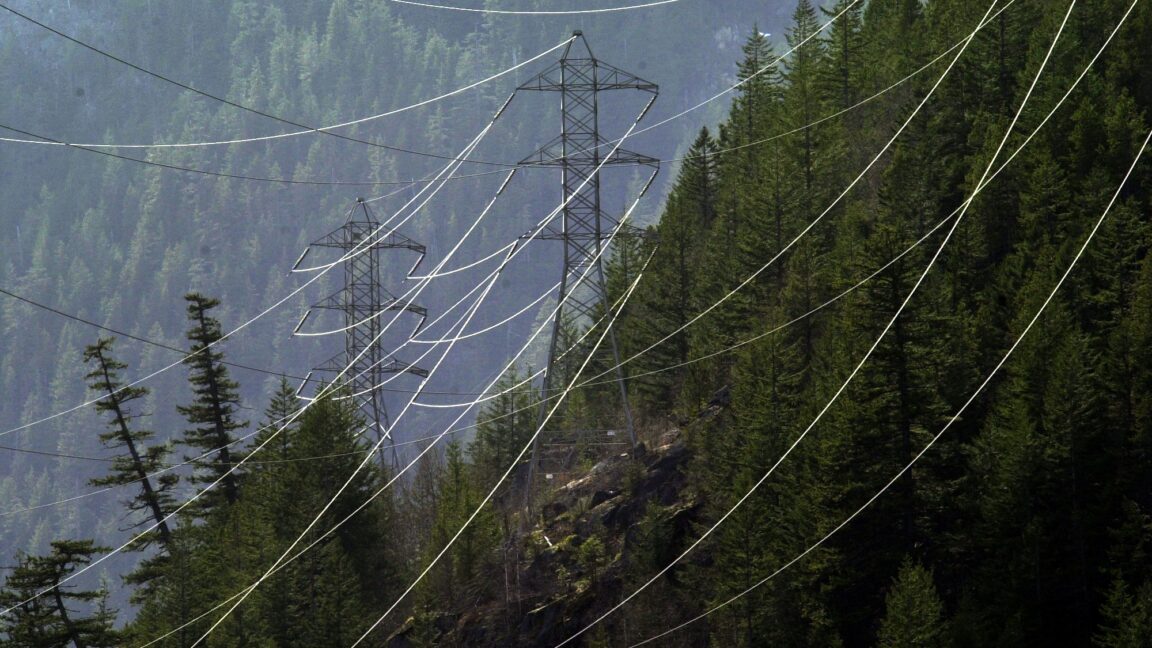
While there is no emergency electricity shortage in the Pacific Northwest, the region, like much of the United States, faces a serious and growing long-term electricity supply problem.
Washington and Oregon are home to approximately 100 data centers. Oregon is second only to Virginia in data center capacity, and its centers consume 11 percent of Oregon's power, nearly three times the national average, according to the Sightline Institute, a Seattle think tank.
Energy consumption is rising along with the region's booming high-tech economy, excessive demand for electric cars (the Seattle Times reported that 26 percent of new cars registered in Washington in October were EVs) and the climate change-driven growth of home air conditioning. The Northwest could face a 9 gigawatt power shortage by 2030, according to a recent utility-funded report from energy advisory group E3. Nine gigawatts is approximately Oregon's electricity load.
“We are facing a real energy supply challenge and we have been slow to meet that challenge,” said Golden, who represents Washington state on the Northwest Power Council.
The Pacific Northwest gets more energy from hydroelectric dams than any other part of the country (60 percent in Washington), and the region has long been blessed with cheap electricity rates. But drought and changing weather patterns (less snow, more rain) have affected the reliability of the system, which draws most of its power from large federal dams on the Columbia River, North America's largest hydropower source.