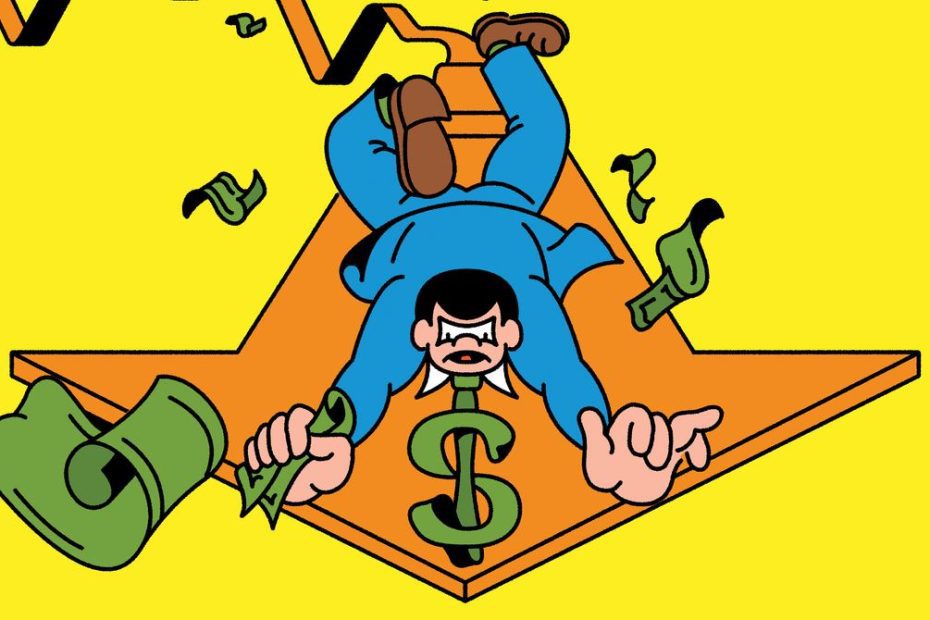
2026 will be the year in which the dilution of the US dollar – the silent erosion of its global dominance as countries trade and pay in alternatives – begins to build momentum. The more Washington uses the dollar as a weapon, the more the world comes up with ways to circumvent it.
The US share of world trade has fallen from a third in 2000 to just a quarter today. As emerging economies trade more with each other, the dollar plays less of a central role in the flow of goods. Indian and Russian trade is now denominated in rupees, dirhams and yuan. More than half of China's trade now passes through CIPS, China's own cross-border payments system, instead of SWIFT – the global messaging network long dominated by Western banks. Other trading partnerships such as Brazil-Argentina, UAE-India and Indonesia-Malaysia are also experimenting with local currency settlement.
At the same time, central banks around the world are beginning to accumulate currencies other than the dollar as reserves. In 1999, the dollar accounted for 72 percent of global reserves. Today it is only 58 percent – and still falling. A coin is only safe if it is watched be safe. But perceptions are shifting.
Ever-widening US budget deficits – estimated at $1.9 trillion by 2025 – along with a widening balance of payments gap, estimated at 6 percent of GDP, are putting additional pressure on the dollar. Added to this is the overuse of the 'printing press', which means large amounts of new money are created to finance expenditure. Once cushioned by the dollar's “exorbitant privilege” as the world's dominant reserve currency, these trends now raise questions about global confidence in the dollar.
Even the U.S. Treasury market, once believed to be infinitely liquid and universally acceptable as pristine collateral, has lost its luster. Today, more than $27 trillion in U.S. Treasury securities – loans from investors to the government, backed by the full faith and credit of the United States – are circulating in the global financial system. That means more bonds to trade, more to settle, more to repay and more to absorb on dealers' balance sheets. But major financial institutions like JPMorgan, Citi and Goldman, which were primary dealers providing liquidity, have not scaled up accordingly. If everyone wants to sell, there aren't enough balance sheets right now to absorb the selling – unless the Fed steps in. This has been the case since the collapse of the Treasury market in March 2020, which marked a historic inability of the world's most liquid and trusted market – US Treasuries – to function in a moment of stress without central bank intervention.
In 2026, the real threat to the dollar may not come from a single rival currency. Instead, it will come from alternative payment and settlement systems built to bypass dollar-based channels – especially in emerging markets that have never fully enjoyed the security of dollar liquidity or reliable access to dollar networks.
The race to design alternatives has begun. One such alternative is mBridge – a project in which central banks in China, Hong Kong, Thailand and the United Arab Emirates are working with the Bank for International Settlements to build a system that allows countries to pay each other instantly using their own digital versions of national currencies. Another is the BRICS payment, which allows BRICS+ countries – Brazil, Russia, India, China, South Africa and their new members – to send money to each other for trade and investment, directly in their own currencies. These are intended to make trade faster, cheaper and less dependent on the dollar.