The road to social exile is paved with good intentions and bad ideas.
You spent three hours cooking. You used your best Tupperware. They even remember serving spoons.
None of this matters if your dish smells like a fishing boat or requires a hazmat team to clean it up.
Some foods just weren't meant to travel. They belong in your kitchen, where they won't offend innocent bystanders or permanently stain someone's couch.
Being a good guest means knowing what to leave behind.
1. Homemade tuna casserole
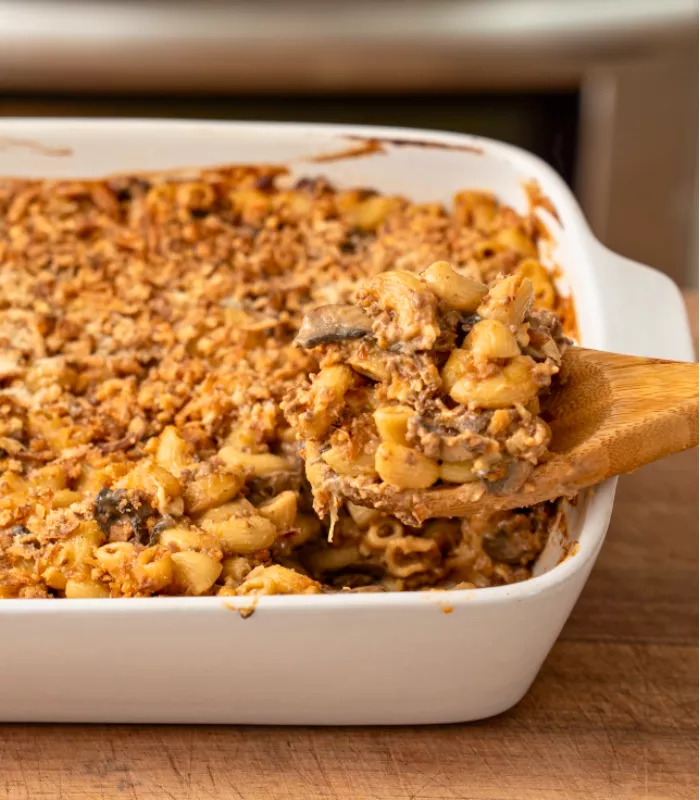
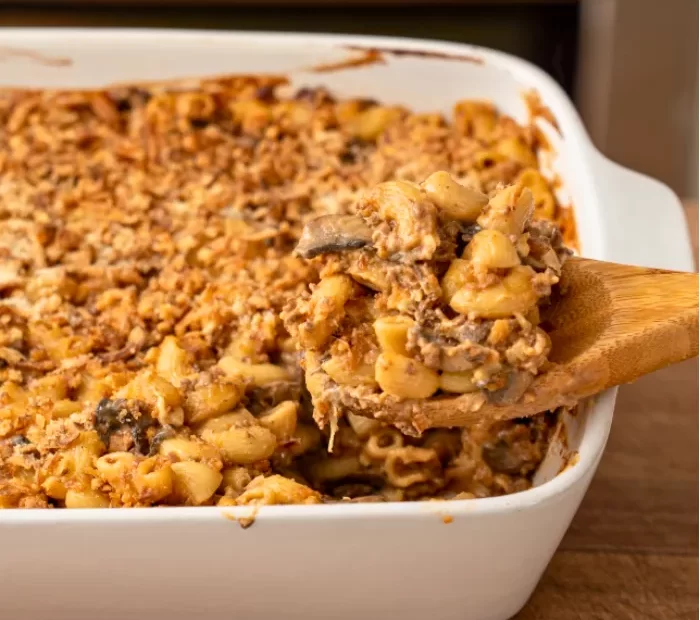
Tuna casserole may remind you of your childhood dinners. But here's the catch: it doesn't transport well at all.
The dish will become mushy and smell strong if left in a container. Your friend's house will smell like fish for hours after you arrive.
Most people either love it or hate it. There's rarely a middle ground when it comes to this polarizing comfort food.
2. Flatulent bean dip

Bean dip is a party favorite for good reason. It's delicious, affordable, and easy to make in bulk.
But beans are known to cause digestive distress. Nobody wants to deal with this at a social gathering.
Your host may appreciate this gesture. But your other guests probably won't thank you later.
3. Store-bought fruit salad in syrup

Pre-made fruit salad seems like a safe choice. It is practical and seems healthy at first glance.
The problem is the heavy syrup these products contain. Most store versions contain more sugar than a can of soda.
In addition, the fruits become mushy and lose their fresh appeal. It's better to bring whole fruits or none at all.
4. Durian or other spicy fruits
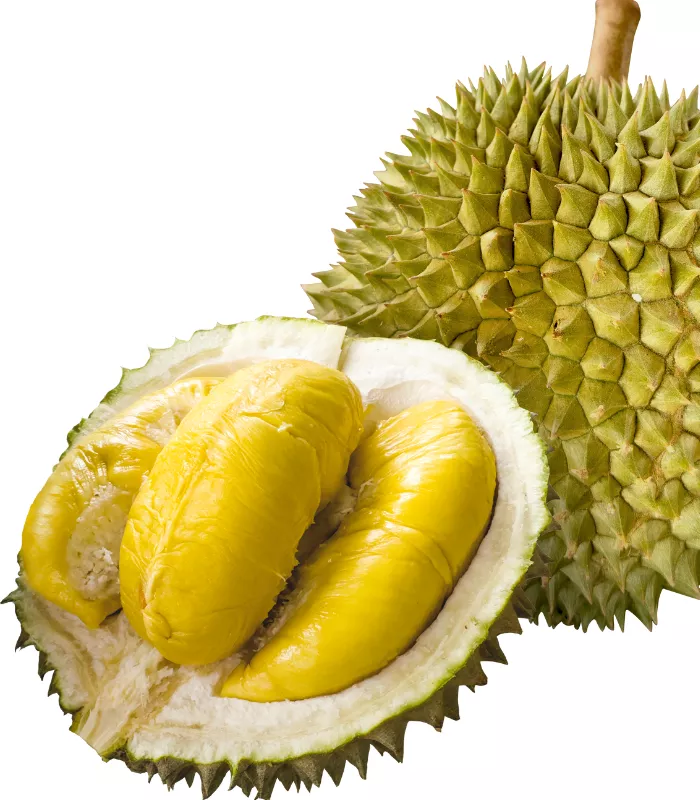
Durian is known as the “king of fruits” in Southeast Asia. It's creamy, sweet and full of nutrients.
But it smells like rotten onions mixed with gym socks. Some countries even ban it from hotels and public transport.
Unless your friend particularly loves durian, leave it at home. The smell can make people physically ill if they are not used to it.
5. Egg salad sandwiches

Egg salad is a classic picnic food. It's high in protein and filling for hungry guests.
However, eggs spoil quickly at room temperature. Food safety experts say dishes containing mayonnaise should not be left out for more than two hours.
The sulfur smell of eggs also increases as they warm up. That's not the impression you want to leave at someone's home.
6. Spicy curries

A homemade curry shows real commitment and cultural appreciation. The complex flavors can be absolutely delicious.
But strong spices remain in fabrics and carpets. Your host may still smell curry in their living room days later.
Some guests also cannot handle spicy food due to heartburn or sensitive stomachs. That's why it's risky to bring it without asking first.
7. Messy finger food without napkins
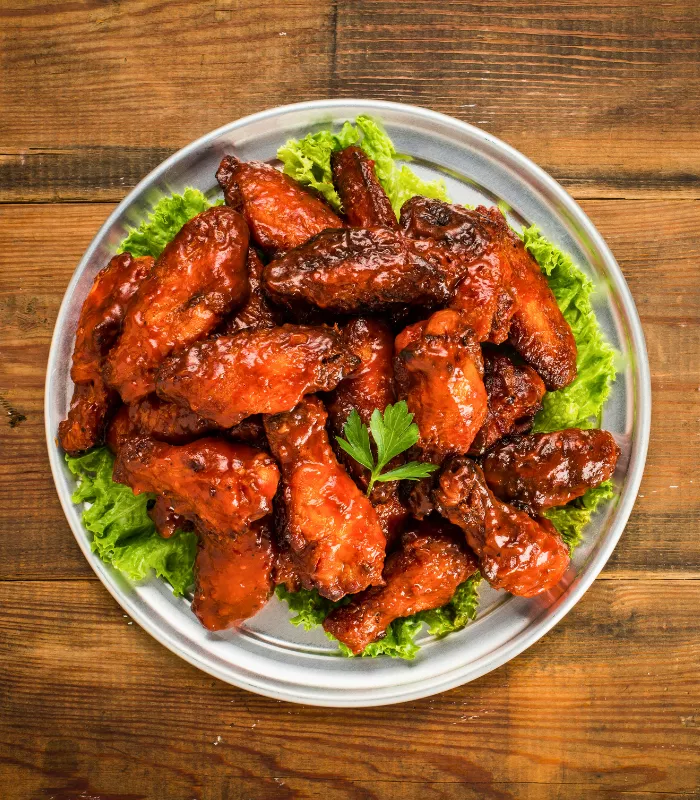
Sticky wings and juicy ribs are a crowd favorite at the grill. People love foods they can eat with their hands.
However, it is reckless to bring messy foods without proper serving utensils. The guests get sauce on furniture and clothing.
Your host will spend the next day removing fingerprints from light switches. This is not how you want to be remembered.
8. Potato salad at room temperature

Potato salad is an American grilling staple. Almost 70% of Americans eat it regularly during the summer months.
Mayo-based potato salad becomes a breeding ground for bacteria when warm. Thousands of people are hospitalized every year due to food poisoning from potato salad.
Always keep it cool or don't bring it with you at all. Your friends will appreciate that you care about their health.
9. Cheap wine you wouldn't drink

Bringing wine seems like appropriate etiquette. In many cultures it is a classic hostess gift.
But picking the cheapest bottle from the bottom shelf sends the wrong message. This suggests that you don't value the friendship enough to spend a few more dollars.
You don't need expensive wine. Just avoid the ones with cartoon labels or screw tops that cost less than a gallon of milk.
10. Elaborate dishes that need to be prepared at the last minute

A complex dish shows that you care. It shows real commitment and culinary skill.
But showing up and taking over your host's kitchen is rude. You have already planned your cooking plan and storage space.
Dishes that need to be assembled, heated, or finished create stress. Your host has invited you to enjoy their company, not to cook with him.
11. Nut-rich dishes without warnings
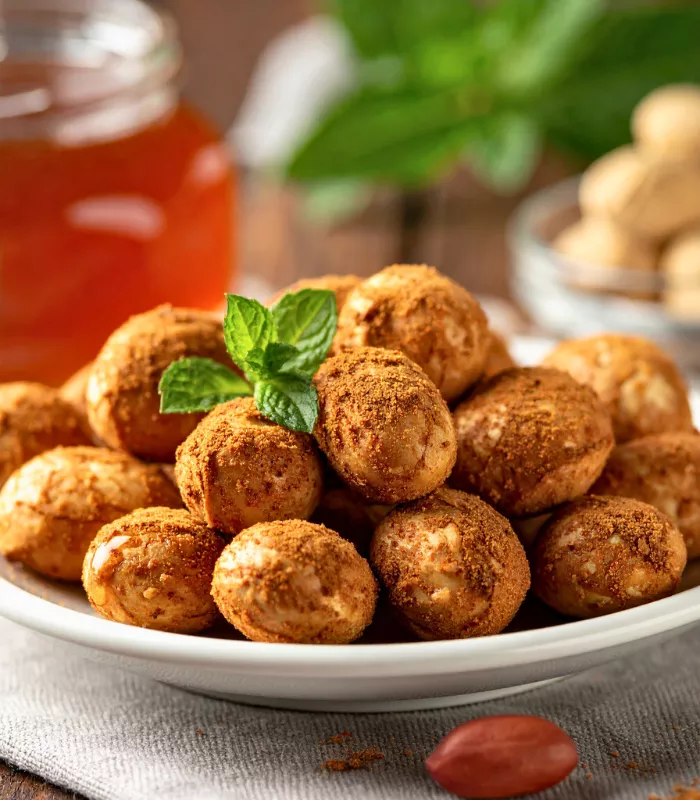
Food allergies affect millions of Americans over the age of 50. Tree nut and peanut allergies are among the most dangerous and common allergies.
Even the smallest amounts can trigger serious reactions in sensitive people. Cross-contamination from shared serving spoons makes the situation worse.
If you must bring something with nuts, label it clearly. Better yet, skip the nuts altogether and keep everyone safe.
12. Jell-O salad with mystery ingredients

Jell-O salads were popular in the 1960s and 70s. They combined gelatin with vegetables, fruits or even seafood.
These wobbly creations confuse modern taste buds. Is it a salad? A dessert? Nobody knows what awaits them.
The texture also puts people off. It wobbles but also contains crunchy bits.
13. Anything that still has mayonnaise in your hot car

Mayonnaise-based dishes require constant refrigeration. Bacteria multiply incredibly quickly in warm temperatures.
Food safety experts say these dishes become dangerous after just an hour in the heat. On summer days, the trunk of your car can reach 150 degrees.
Bringing warm mayo dishes is essentially bringing food poisoning to the party. This is not a gift anyone wants.
14. Elaborate cheese board that requires assembly

Cheese boards look impressive on Instagram. However, they require careful arrangement and constant maintenance.
The cheese needs certain temperatures to taste properly. Soft cheese melts, hard cheese sweats, and everything gets messy.
Your host doesn't have time to rearrange grapes and crackers. They are busy entertaining guests and managing their own food.
15. Soup in containers without lids

Homemade soup shows real effort and care. It's comfort food that most people enjoy.
However, it is thoughtless to transport it in containers that may leak. Your host's car or countertops will be a mess.
Even sealed containers require proper serving equipment. Does your host have a ladle? A slow cooker to keep warm? Probably not if you hadn't asked first.
16. Gluten-free baked goods that taste like cardboard

Gluten-free diets help people with celiac disease and sensitivities. This is a legitimate medical need.
But bad gluten-free baking is worse than no dessert at all. Dense, crumbly cookies that taste like sawdust don't help anyone.
If you don't have experience with gluten-free baking, bring something else. Your good intentions will make dry, tasteless brownies unedible.
17. Raw oysters or sushi

Raw seafood has a short safety window. It must remain cold to prevent bacterial growth.
For most gatherings at home, adequate cooling of delicate items is not possible. An hour at room temperature makes them unsafe.
Shellfish allergies are also very common. Nine foods cause 90% of allergic reactions, and shellfish is at the top of that list.
18. Dishes with hidden animal products

This lovely vegetable soup looks perfect for vegetarians. Until they discover you made it with chicken stock.
Many people avoid meat for health, ethical or religious reasons. Hiding animal products in seemingly plant-based dishes is disrespectful.
Bits of bacon in the green beans or gelatin in the dessert lead to trust issues. Be honest about what's in your food.
19. Store-bought cupcakes with obvious price stickers

Everyone understands a busy schedule. Not everyone has time to bake from scratch.
But at least remove the price tag that says you paid $3.99 for cupcakes at the grocery store. It shows that you haven't put any thought into the meeting at all.
If you buy dessert, choose something from a real bakery. Or bring a nice bottle of wine instead.
20. Ambrosia salad

Ambrosia salad was a Great Depression-era creation. It combines canned fruit cocktail, shredded coconut, mini marshmallows and whipped cream.
This retro dish confuses modern palates. It's too sweet for a salad but too fruity for a dessert.
The texture is creamy and chewy at the same time. Most people under 70 have never seen it and don't want to start now.
21. Anything that requires your host's oven

This casserole requires 45 minutes at 350 degrees. It's a shame that your host's oven is already occupied.
They have put together their cooking plan based on their own dishes. You can't just take over kitchen appliances.
Bring food that is ready to serve or requires minimal reheating at most. Anything else creates stress and delays eating.