Good ingredients go to die in the Asian sauce section at the grocery store.
Given the artificial colors and mysterious thickeners, it's a wonder these products are considered food.
It's better to lick a block of salt than to use some of those bottles.
Real Asian grandmothers would throw wooden spoons at half of these recipes.
The audacity to call corn syrup water “authentic teriyaki” should be illegal in at least 47 states.
1. Maggi spice sauce
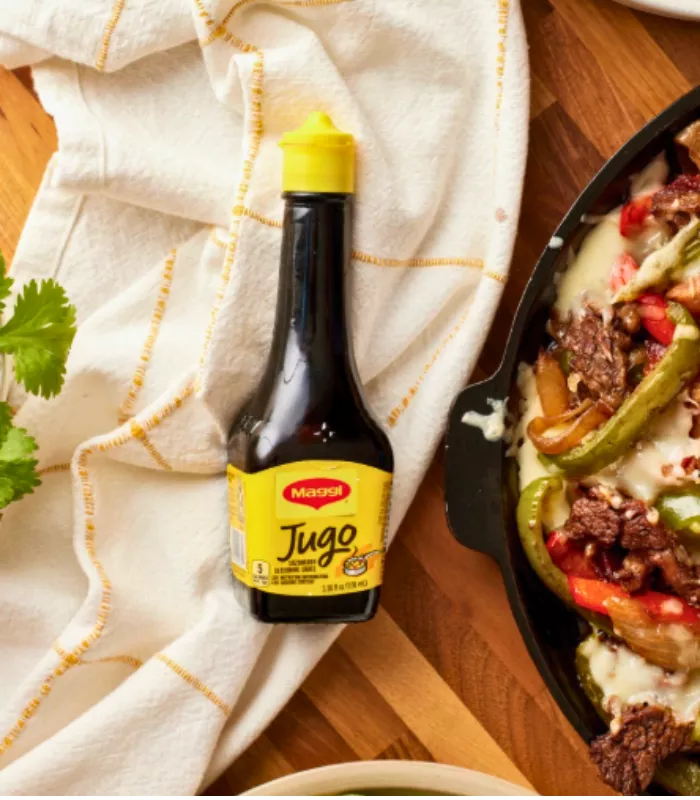
This dark brown sauce from Switzerland has been around since 1886.
It contains hydrolyzed vegetable protein that creates a strong umami flavor.
Many people find the taste to be too intense and chemical.
The sodium content is extremely high at 690 mg per teaspoon.
That's why health-conscious shoppers often skip this item.
The list of ingredients reads like a chemistry experiment with several artificial additives.
The bottle may look classy, but one touch reveals its industrial origins.
Your homemade stir-fries deserve better.
2. Sweet soy glaze from Kikkoman
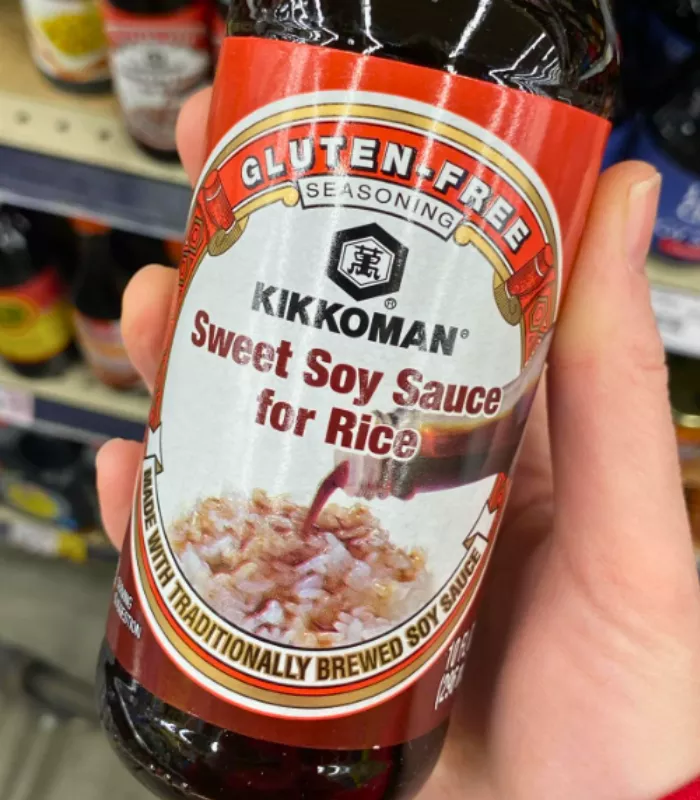
This sticky sauce tries to combine soy sauce with sweetness, but misses the mark. It contains high fructose corn syrup as the second ingredient.
The consistency is rubbery and leaves an unpleasant coating in the mouth. Each tablespoon contains 10 grams of sugar.
True soy sauce lovers will find this product disappointing. The artificial sweetness drowns out any authentic soy taste.
Even your children would notice that there is something wrong with this overly cute mess. It belongs on pancakes, not your salmon.
3. Dynasty Sauce
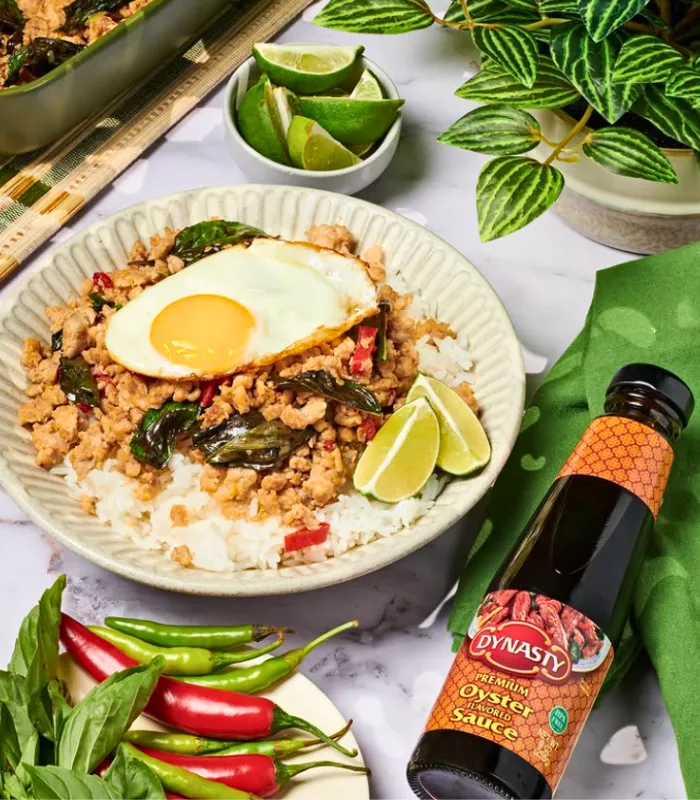
This generic sauce promises restaurant-quality meals at home. But in reality it is a watery, bland product with artificial colors.
The sodium level reaches 980 mg per two tablespoons. That's 43% of the recommended daily intake in one serving.
It's best to make your own pan sauce using the basic ingredients. This bottled version tastes nothing like authentic Asian cuisine.
The watery consistency disappears from your vegetables faster than a guilty conscience. Save your money and your taste buds.
4. La Choy Teriyaki Sauce
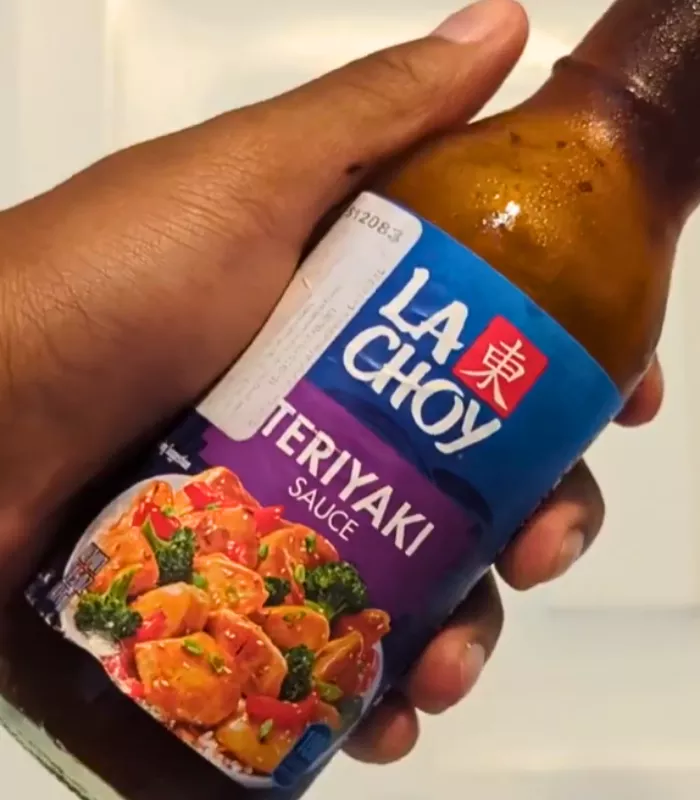
La Choy has been selling American versions of Asian foods since 1922. The teriyaki sauce is overly sweet and syrupy.
The ingredient list shows corn syrup before soy sauce. Real teriyaki uses mirin and sake for added depth.
Here's the catch: It contains caramel coloring and modified food starch. These additives create an artificial look and texture.
This sauce has disappointed home cooks for over a century. That's a commitment to mediocrity worth recognizing.
5. House of Tsang General Tso Sauce
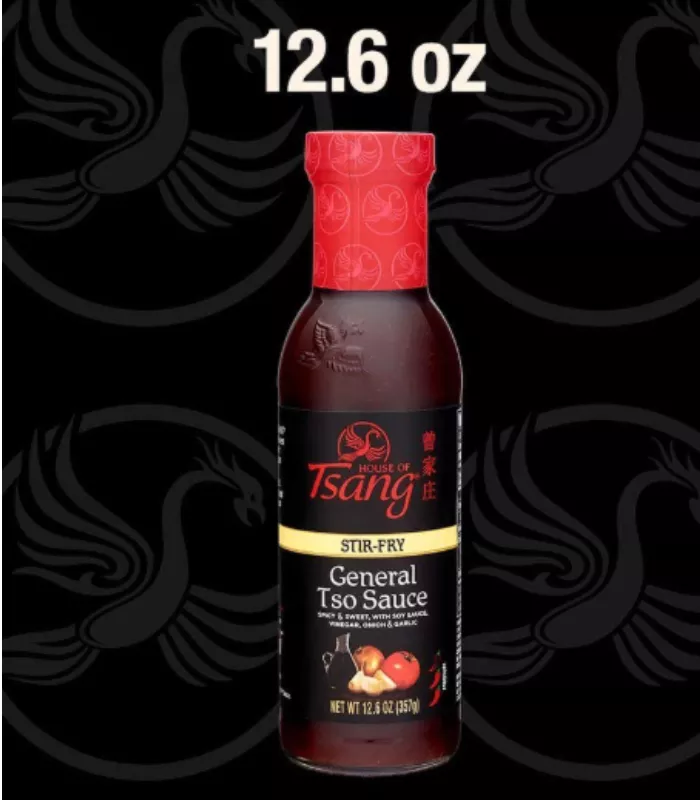
This sauce is intended to recreate the famous Hunan dish at home. Instead, it delivers a sugar bomb using artificial heat.
Each quarter cup contains 19 grams of sugar. That's almost 5 teaspoons of sweetness in one serving.
The spice comes from cayenne pepper extract, not fresh chilies. The result is a one-dimensional combustion without complexity.
General Tso would rather give up his military rank than claim this sauce. It's an insult to both Chinese cuisine and common sense.
6. Wei Chuan Hoisin Sauce
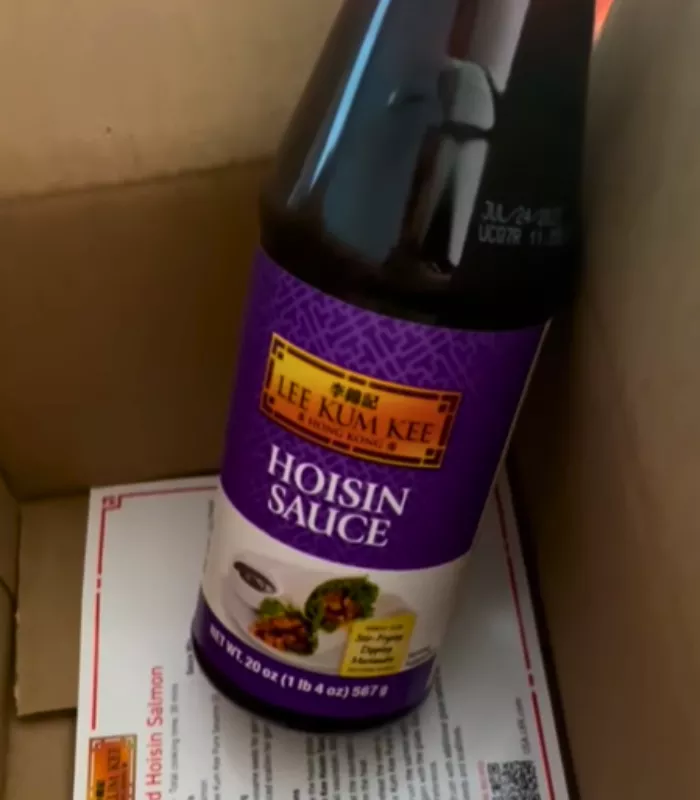
Hoisin should be thick, savory and slightly sweet. This version is thin and tastes mostly of artificial sweeteners.
The consistency is similar to diluted ketchup. Traditional hoisin uses fermented soybeans to give it more depth.
This brand foregoes authentic ingredients and instead uses cheaper alternatives. The color looks right but the taste is completely wrong.
You could get a more authentic taste if you mix grape jelly with soy sauce. At least this combination would be honest about what it is.
7. Kikkoman Ponzu Lime Sauce
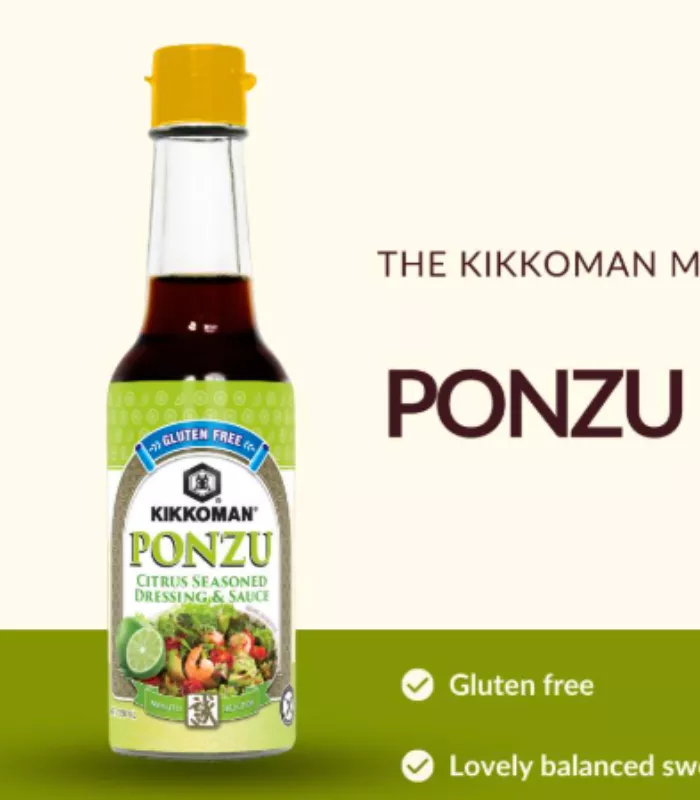
Ponzu should beautifully balance citrus and soy sauce. This version tastes like lime juice mixed with salt water.
The natural citrus flavor is barely noticeable. Instead, you get citric acid and artificial lime flavor.
Real ponzu uses yuzu or sudachi citrus fruits. This product uses cheaper lime flavoring that tastes artificial and bitter.
Your seafood deserves the real thing, not this citric acid experiment. Pisces can't defend themselves, but you can make better choices.
8. Dynasty Szechuan Spicy Stir Fry Sauce
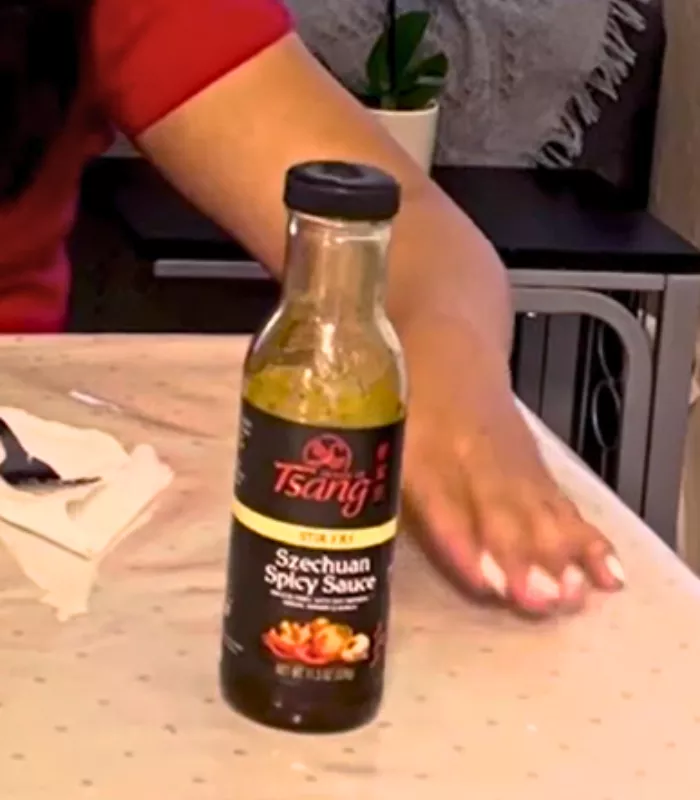
Szechuan cuisine is known for its complex heat and numbing spice. This sauce delivers neither one nor the other effectively.
The heat is one-dimensional and harsh. There are no signs of Sichuan peppercorns to provide authentic flavor.
The ingredient list shows modified cornstarch as the main ingredient. That's why the texture feels sticky and artificial.
Real Szechuan chefs would cry over this travesty. The only thing paralyzing here is your sense of taste.
9. Lee Kum Kee Panda Brand Oyster Sauce
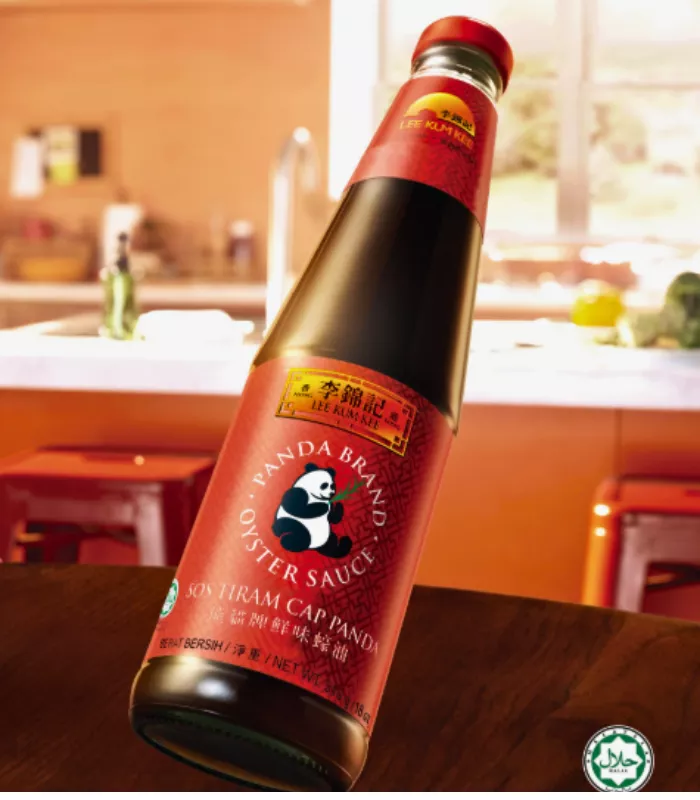
The name says oyster flavor, not oyster sauce. That's because it contains minimal real oyster extract.
The main ingredients are water, sugar and salt. Real oyster sauce should be thick and contain real oyster essence.
This version tastes more like salty molasses. The oyster flavor is so faint it might as well not be there.
The word “flavored” means lifting more heavy weights in the gym than a bodybuilder. It's corporate speak for barely there.
10. Korean Sweet Chili Sauce by Annie Chun
This sauce markets itself as an authentic Korean flavor. But it's mostly sugar with red pepper flakes.
Each tablespoon contains 8 grams of sugar. Despite the chili name, the level of spiciness is minimal.
Korean gochujang offers complex fermented flavors. This product tastes like sweet and sour sauce with a hint of spice.
Annie Chun has obviously never met a Korean grandmother. This sauce would get you politely kicked out of Seoul.
11. Thai Peanut Satay Sauce
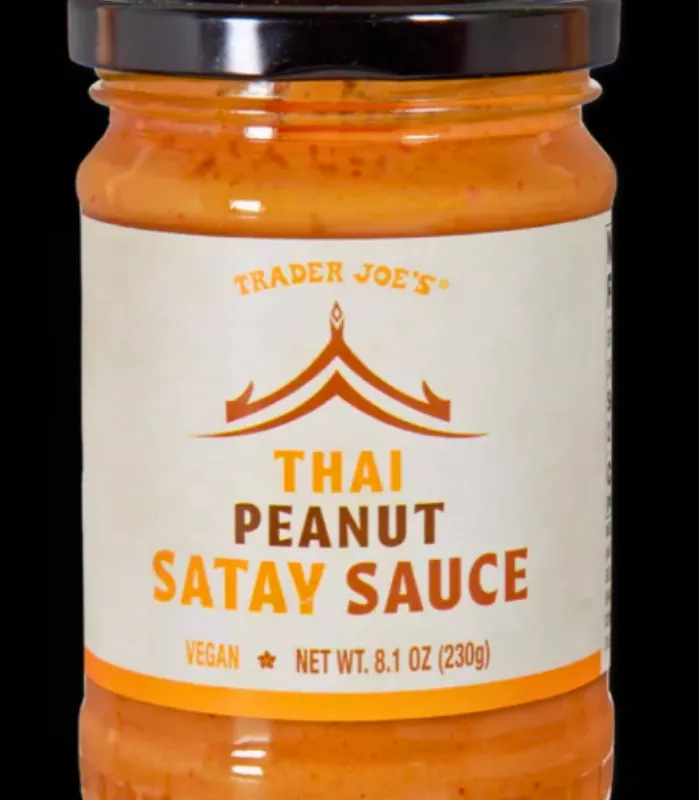
Peanut satay should be creamy, nutty and balanced. This version tastes like peanut butter mixed with sugar water.
The consistency is thin and dissolves in the glass. For a real satay sauce, coconut milk and the right spices are used.
This product lists water as the first ingredient. The peanut content is surprisingly low for a peanut sauce.
Calling this peanut sauce is like calling a puddle an ocean. The marketing team deserves an award for creative fiction.
12. Dynasty Sweet and Sour Sauce
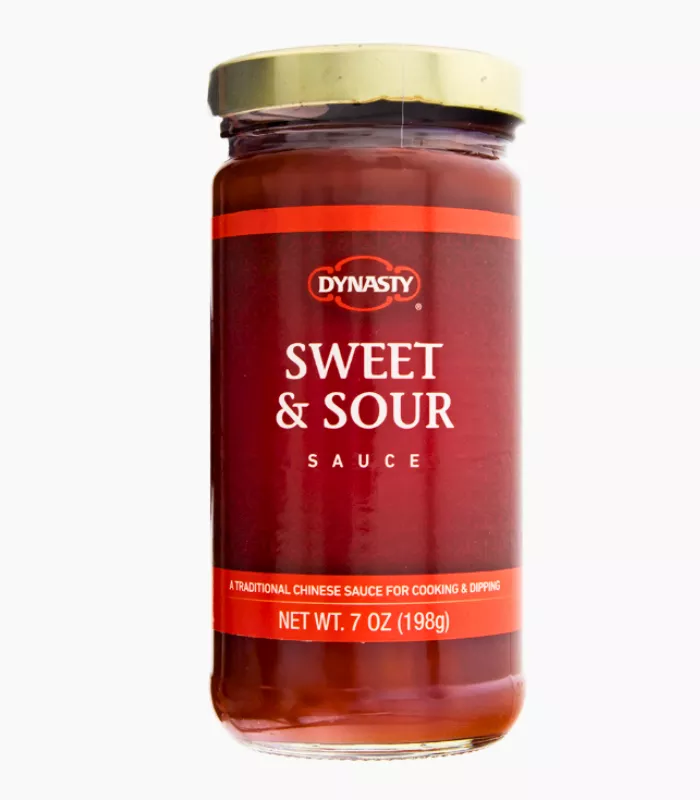
This bright red sauce looks artificial and tastes worse. The color comes from red dye, not natural ingredients.
High fructose corn syrup dominates the flavor profile. Each serving contains 14 grams of sugar.
The acidic element hardly exists. For a more authentic taste, it is better to squeeze fresh lemon into the ketchup.
The neon red color warns you like a stop sign. Unfortunately, most people ignore the warning until it is too late.
13. Kikkoman Takumi Garlic Oyster Sauce
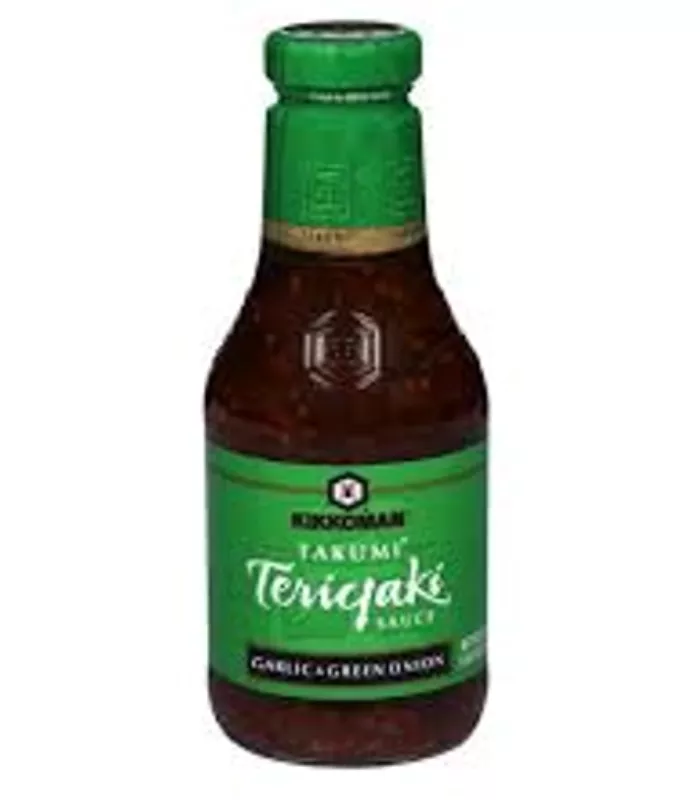
The garlic flavor of this sauce tastes artificial and overpowering. It completely masks any oyster flavor.
The consistency is too thin for oyster sauce. Traditional versions should blend beautifully with the ingredients.
Garlic powder appears in the ingredients before oyster extract. That tells you all about the priorities here.
This sauce commits the cardinal sin of Asian cuisine – it is aggressively monotonous. Balance is everything, and this has none.
14. House of Tsang Spicy Ginger Sauce
Real ginger sauce should taste fresh and tangy. This product tastes like ginger flavored syrup.
The ginger taste comes largely from artificial flavors. Fresh ginger root is listed below in the ingredients.
Here's the deal: It contains 12 grams of sugar per serving. The spice is barely noticeable with all the sweetness.
Fresh ginger costs a few cents in the market. This bottle costs dollars and equally disappoints.
15. La Choy Soy Sauce
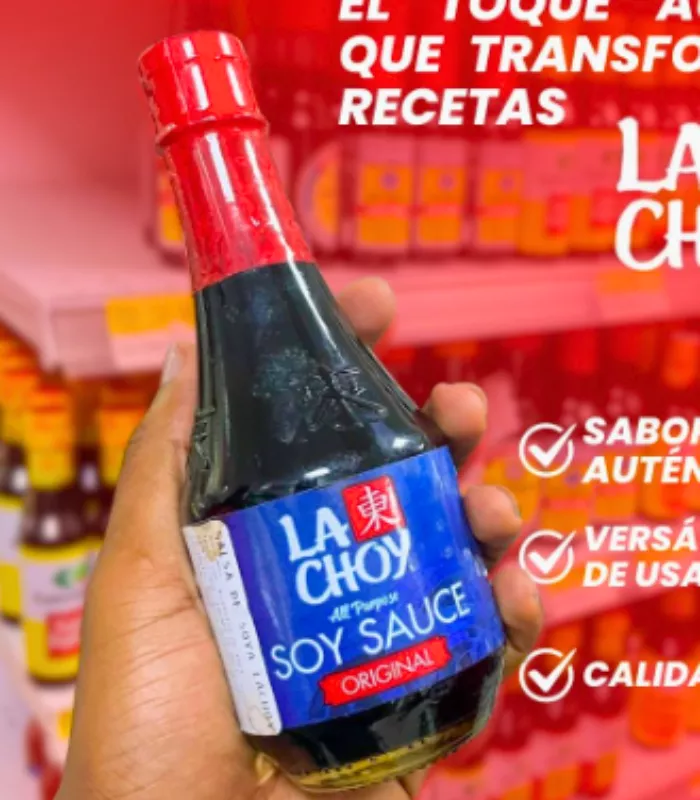
This American take on soy sauce has been disappointing customers since the 1920s. It tastes more like salt water than fermented soybeans.
Traditional soy sauce takes months to brew. This version uses hydrolyzed soy protein for quick production.
The color is too light and the flavor has no depth. Real soy sauce should have complex umami notes.
Making inferior soy sauce for a century takes dedication. Someone should study his commitment to cutting corners.
16. Dynasty Plum Sauce
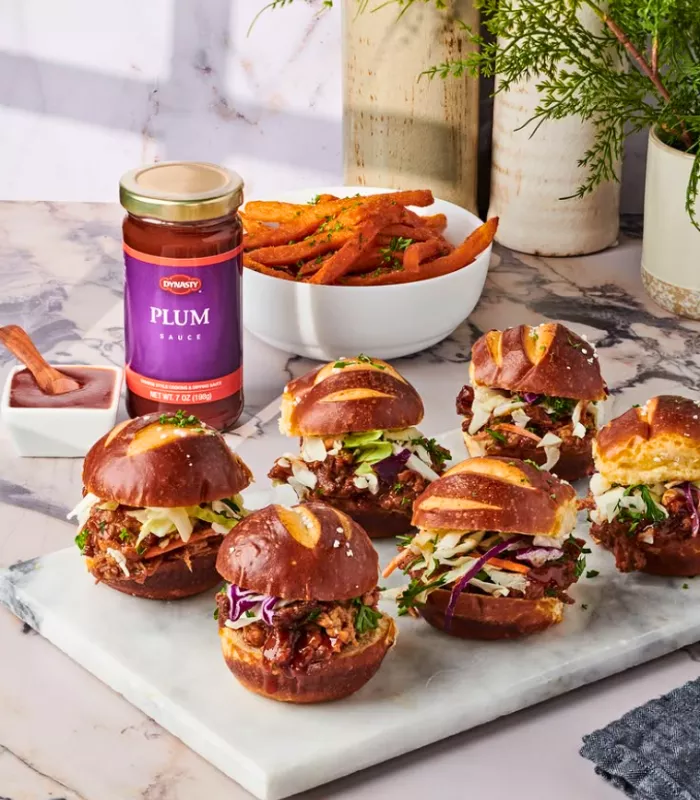
Plum sauce should taste like real plums with a subtle spice. This version is made primarily of corn syrup and food coloring.
The plum content is minimal. There is more sugar than fruit in every spoonful.
The texture is rubbery and sticks to your teeth. Traditional plum sauce is smooth and naturally sweet.
The plums in this sauce are as real as unicorns. Both exist primarily in fantasy and on labels.
17. Annie Chun's Teriyaki Noodle Sauce
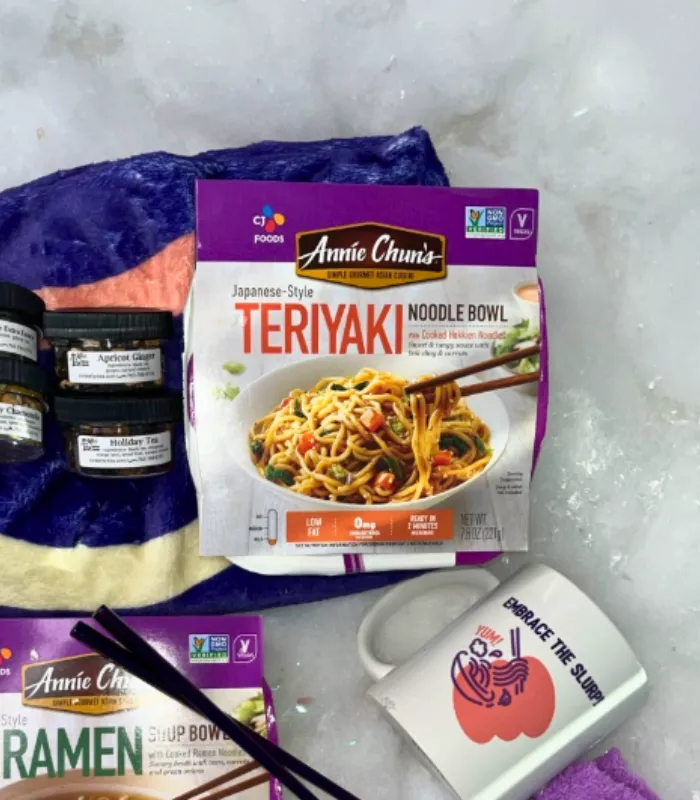
This sauce is intended to make quick teriyaki noodles. Instead, it quickly causes disappointment.
The sodium content is 920 mg per serving. That's excessive even by Asian sauce standards.
The sweetness overwhelms everything else. Real teriyaki perfectly balances sweet, salty and savory elements.
Your blood pressure rises faster than your taste buds can perceive the taste. No experience is worth having.
18. Lee Kum Kee Chiu Chow Chili Oil
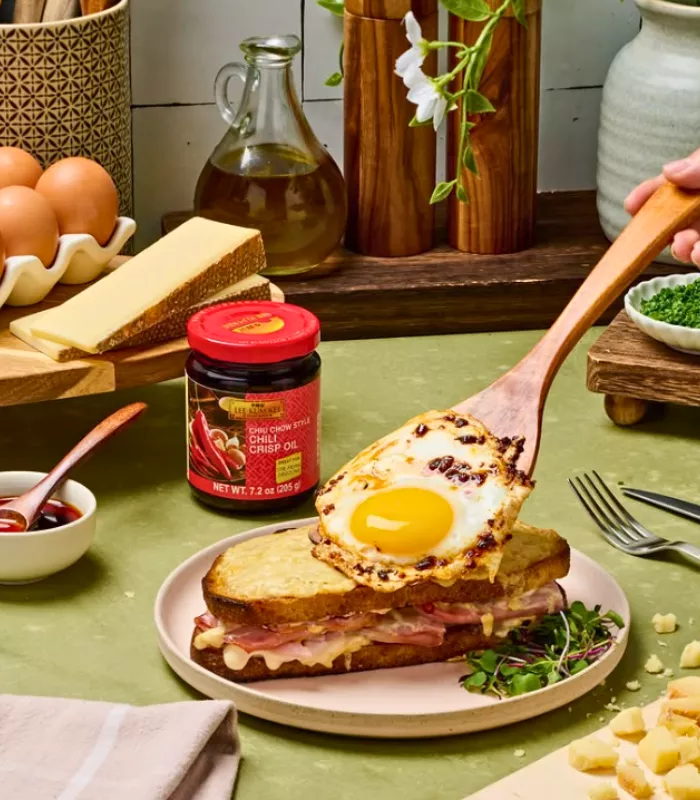
Chili oil is said to add heat and flavor to dishes. This version consists mainly of oil with minimal chili content.
The heat is surprisingly mild. The oil separates quickly and looks unappetizing in the glass.
Traditional chili oil uses high quality dried chilies. This product uses chili extract, which tastes artificial and bitter.
Good chili oil takes time and the right ingredients. This requires taking shortcuts and hoping you don't notice the difference.
19. Taste of Thai fish sauce
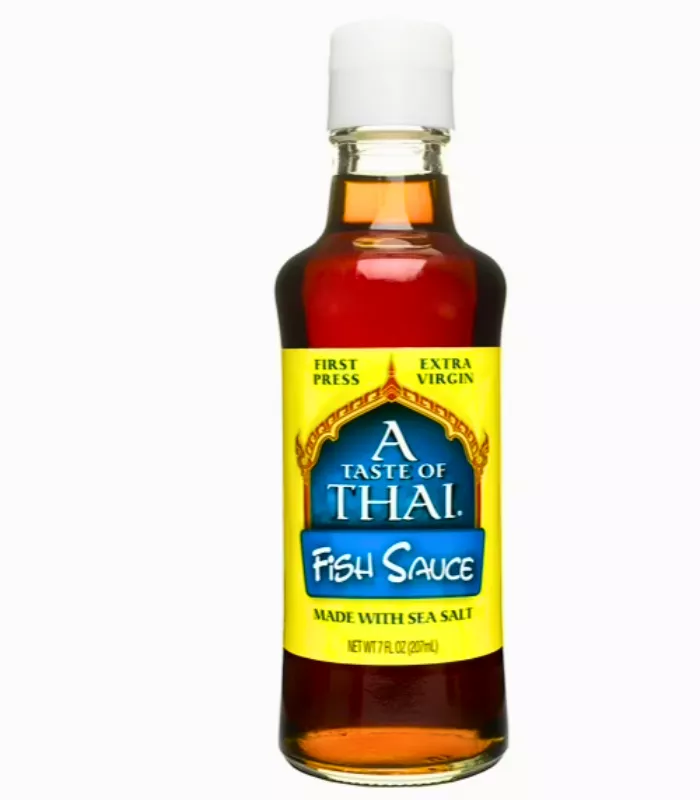
Fish sauce is essential in Southeast Asian cuisine. This version has an unpleasant chemical smell.
High-quality fish sauce takes 12 to 18 months to ferment. This product uses accelerated processing for faster production.
The result is harsh and lacks the complex savory notes. Traditional fish sauce adds depth to dishes without overwhelming them.
Taking shortcuts when making fish sauce creates flavors that reek of mistakes. Your nose can tell the difference immediately.
20. Kikkoman lower sodium soy sauce
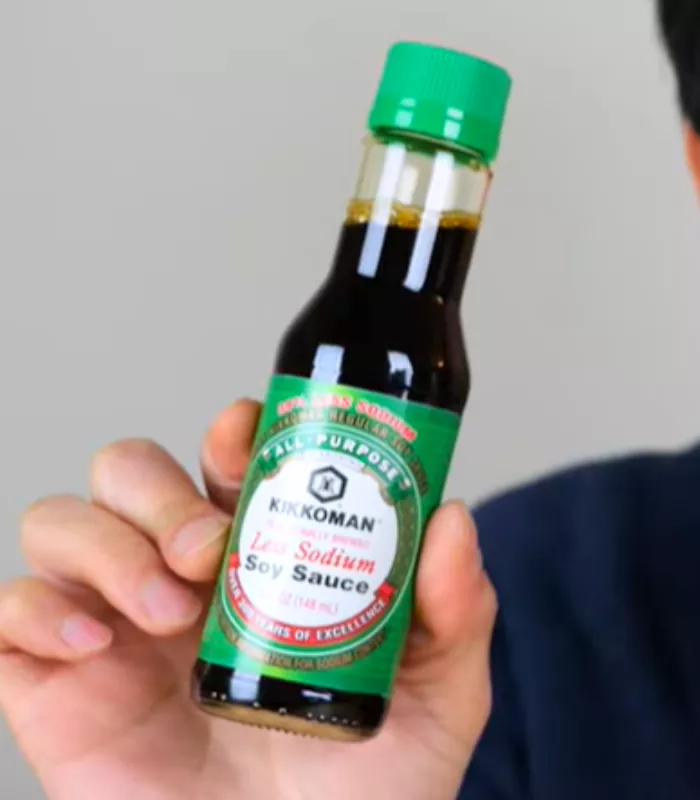
Reducing sodium sounds healthy until you taste it. The taste is weak and watery.
They remove salt but add alcohol and vinegar to balance it out. The balance is completely off.
I made the classic mistake of buying this product thinking it was healthier. Regular soy sauce in smaller quantities works better.
Health claims on labels often hide taste defects. This proves that you can't fake good taste with good intentions.