
At some point, “quick and easy” eating in silence became “quick and easy way to meet your cardiologist.”
Frozen Dinners now offer more plot twists than your favorite detective series.
There are preservatives in your stash that could outlive your retirement savings.
In the past, people salted their food so that it would last over the winter.
Now the food is so heavily salted that you can try it next Tuesday.
Sometimes the smartest move in the kitchen is simply knowing when to step out of the box.
1. Hot dogs

Hot dogs have been an American staple for over a century.
They are rich in sodium nitrite and other preservatives that extend shelf life.
A single hot dog can contain over 500 mg of sodium. That's almost a quarter of your daily limit in one franc.
The processing method involves grinding mysterious meat residues and adding fillers.
Most brands add corn syrup, artificial flavors, and chemical binding agents that you can't even pronounce.
2. Instant ramen noodles
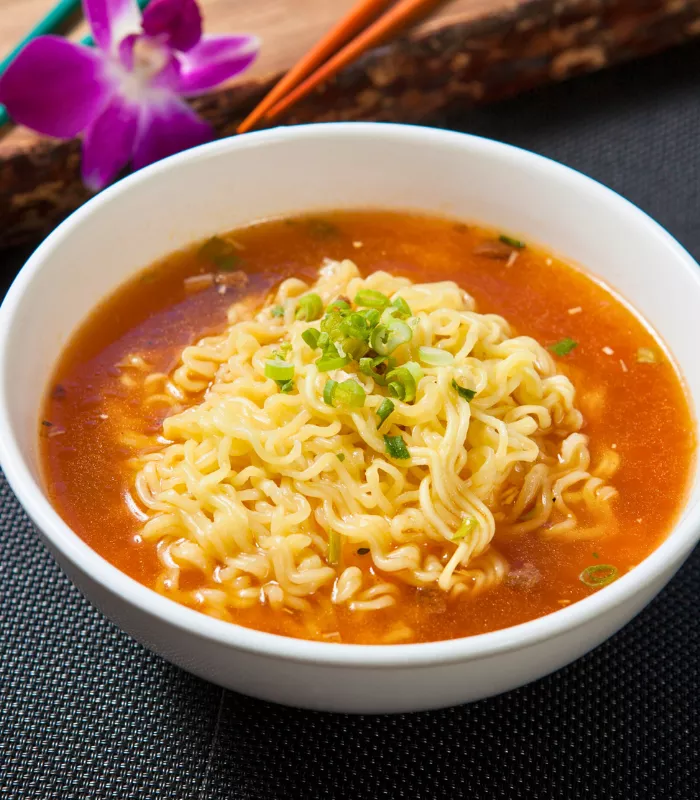
These 25 cent packages seem like a bargain until you read the label.
One serving contains about 1,820 mg of sodium – that's 79% of the recommended daily intake.
The noodles are briefly fried in palm oil before packaging.
This creates trans fats that persist even after boiling water is added.
The flavor packs consist primarily of salt, MSG and artificial spices.
Your body gets almost no nutritional value from a bowl of instant ramen.
3. Processed cheese slices
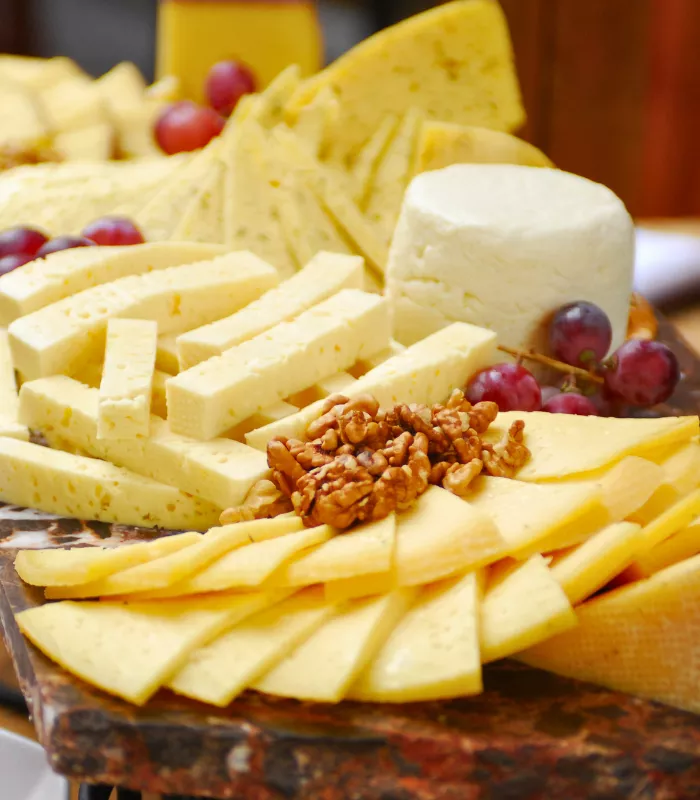
Real cheese only requires milk, salt and enzymes. Processed cheese slices require over a dozen ingredients to achieve the perfect melt.
These orange squares contain less than 51% real cheese. The rest are emulsifiers, preservatives and artificial colors such as Yellow 5 and Yellow 6.
Each slice contains about 300 mg of sodium. That's more salt than would be in a handful of potato chips.
4. Frozen chicken nuggets
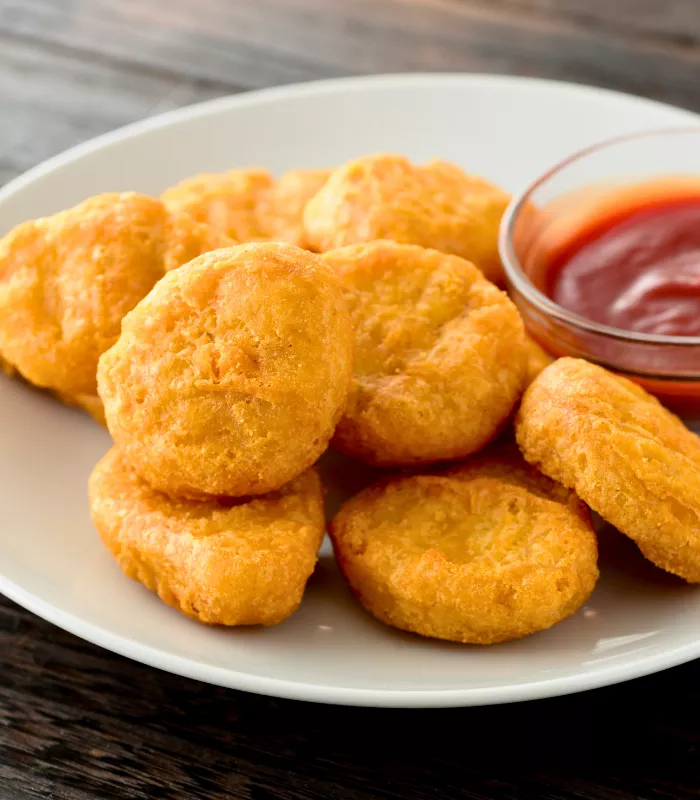
Most frozen nuggets contain more breading than real chicken. The meat inside is separated mechanically – a process in which the bones are scraped clean using high pressure.
A 10-piece serving can provide 800 mg of sodium and 25 g of fat. The golden coating is achieved by industrial deep frying in partially hydrogenated oils.
Better buy real chicken breasts. The price per pound is often the same, but you get real protein instead of fillers.
5. Packaged deli meat

Pre-cut turkey and ham sit in these plastic containers for weeks. Manufacturers pump them full of sodium nitrate to prevent bacterial growth and preserve color.
Two slices of deli meat contain about 500 mg of sodium. That's before you add any bread, cheese, or condiments to your sandwich.
The World Health Organization classifies processed meat as a Group 1 carcinogen. This puts them in the same category as tobacco in terms of cancer risk.
6. Sugary breakfast cereals
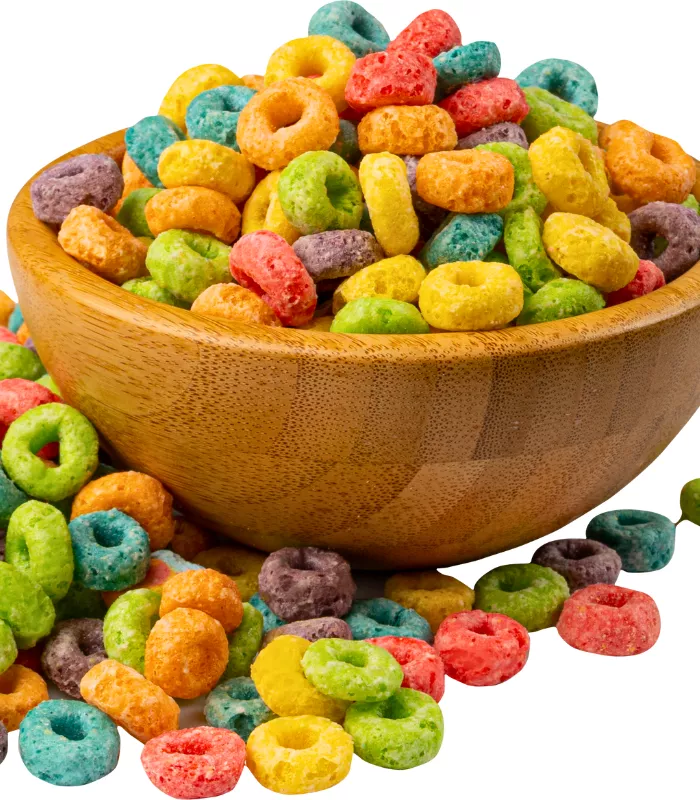
Most popular cereals contain more sugar per serving than a glazed donut. Some brands pack 18g of sugar in a single cup.
The colorful shapes and fruity aromas are created by artificial colors and flavors. Red 40, Blue 1 and Yellow 5 dominate the ingredient lists.
Your blood sugar levels rise within 30 minutes of eating a bowl. Then there's a loud crash and you're hungry again before lunch.
7. Microwave popcorn
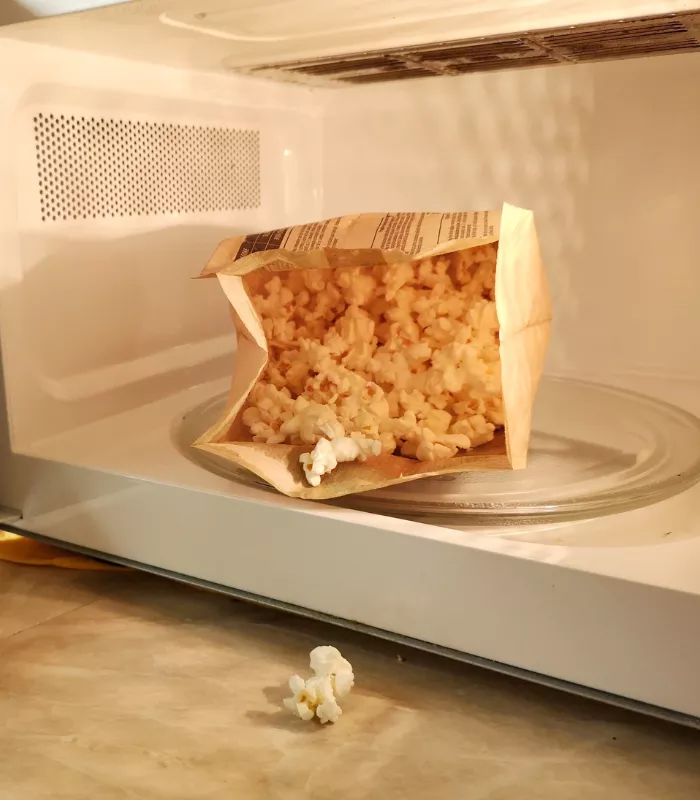
That butter smell is not real butter. It's diacetyl, a flavoring chemical that's been linked to serious lung problems in factory workers.
The bags are lined with perfluorooctanoic acid (PFOA) to prevent grease leakage. This chemical remains in your body for years and does not break down naturally.
A single sachet can contain 600 mg of sodium and 15 g of saturated fat. Most of the calories come from the artificial butter casing, not the corn itself.
8. Frozen pizza
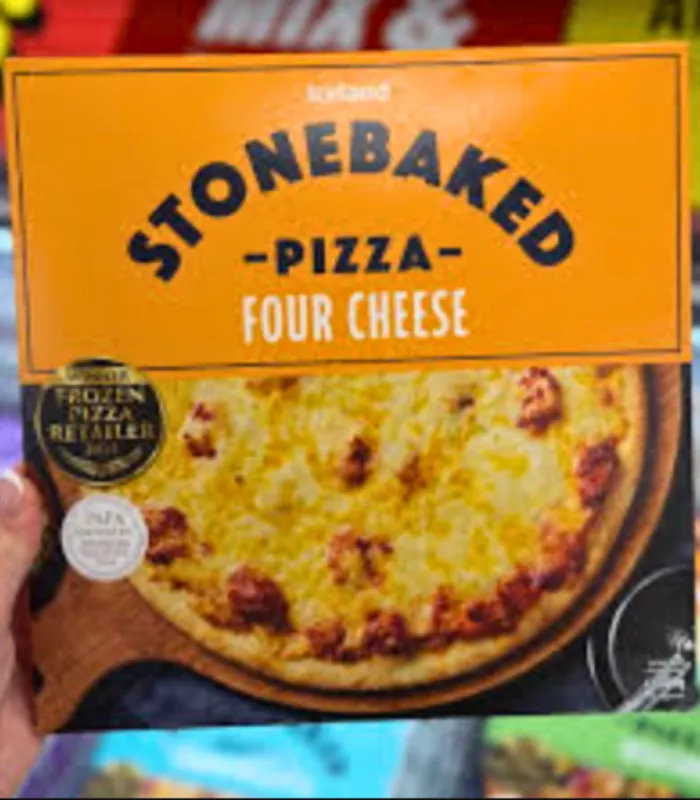
A typical frozen pizza contains 2,000 mg of sodium or more. This is your entire daily requirement in one meal.
The crust is made from refined white flour, which turns into sugar in your bloodstream. Cheese substitutes often contain more oil than real dairy products.
Manufacturers add sugar to the sauce to mask the taste of preservatives. Some brands contain up to 8g of sugar per serving.
9. Canned soup
One can of popular soup brands provides up to 2,300 mg of sodium. This exceeds the entire recommended daily limit.
The “cream” varieties contain thickeners such as modified food starch instead of real cream. These additives have no nutritional value.
Canned soups sit on the shelves for years thanks to too much salt and chemical preservatives. Fresh soup spoils within a few days – that should tell you something.
10. Packaged pastries and snack cakes
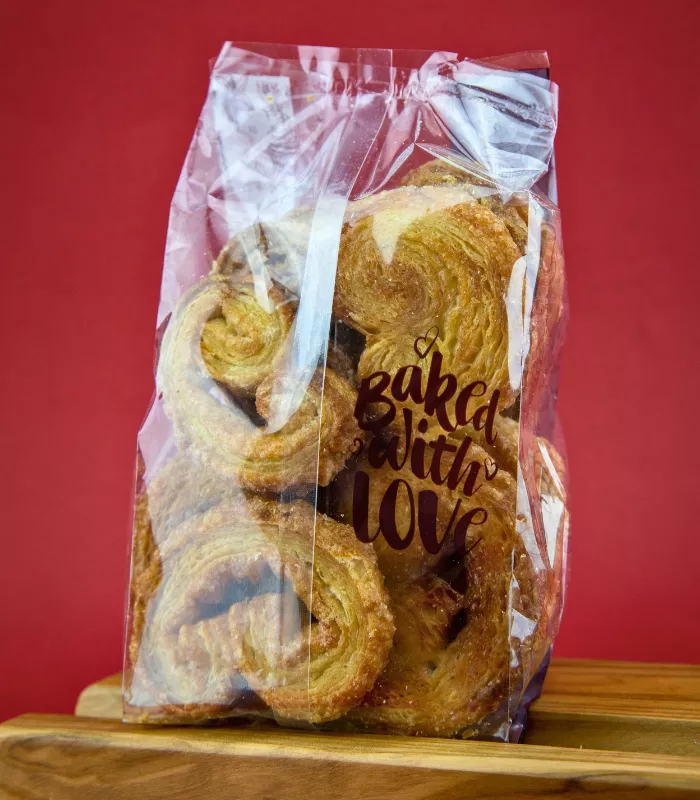
These individually wrapped cakes stay “fresh” for months without refrigeration. This isn’t natural – it’s chemical engineering.
A single snack cake contains 3-4g of trans fats from partially hydrogenated oils. These fats directly increase bad cholesterol while lowering good cholesterol.
The cream filling is primarily shortening and corn syrup. Most brands do not contain cream or dairy products.
11. Lemonade and sugar-sweetened drinks
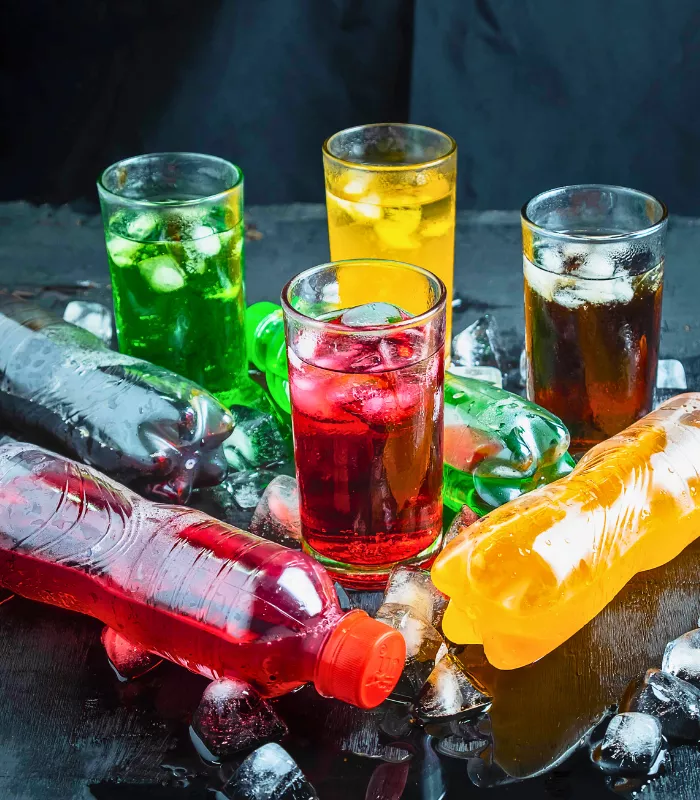
A single 20-ounce soda contains about 65 grams of sugar. That's more than three times your recommended daily limit.
Your body absorbs liquid sugar immediately, causing blood sugar levels to rise within minutes. This triggers a massive insulin release, which puts stress on your pancreas over time.
Diet sodas aren't much better. Artificial sweeteners mess with your metabolism and can increase cravings for real sugar.
12. Margarine and vegetable oil spreads
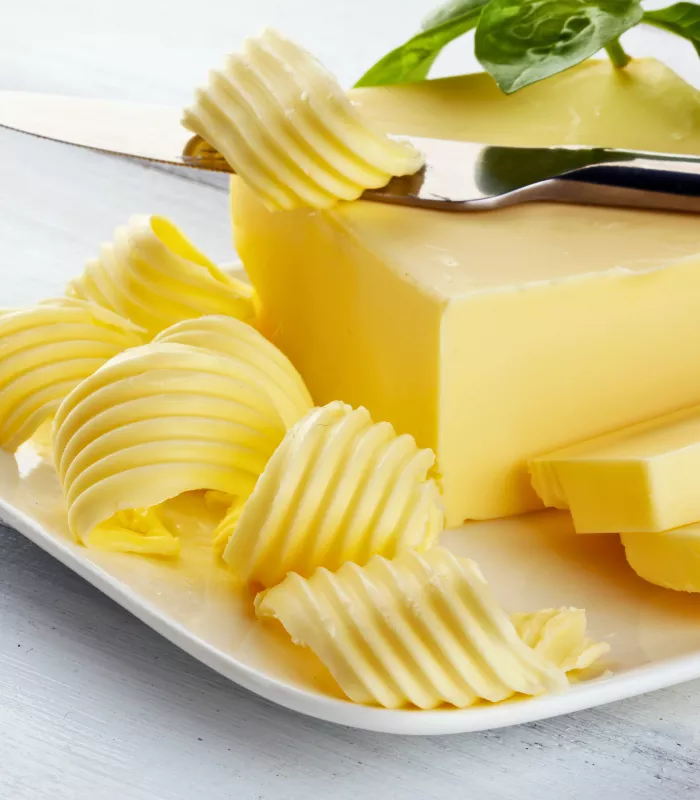
Margarine was marketed as a healthy alternative to butter for decades. This claim has been thoroughly debunked.
Most margarine contains partially hydrogenated oils full of trans fats. These fats directly increase bad cholesterol while lowering good cholesterol.
Industrial processing removes all useful nutrients from the original plant oils. What's left is essentially flavored plastic for your arteries.
13. Artificially sweetened diet foods
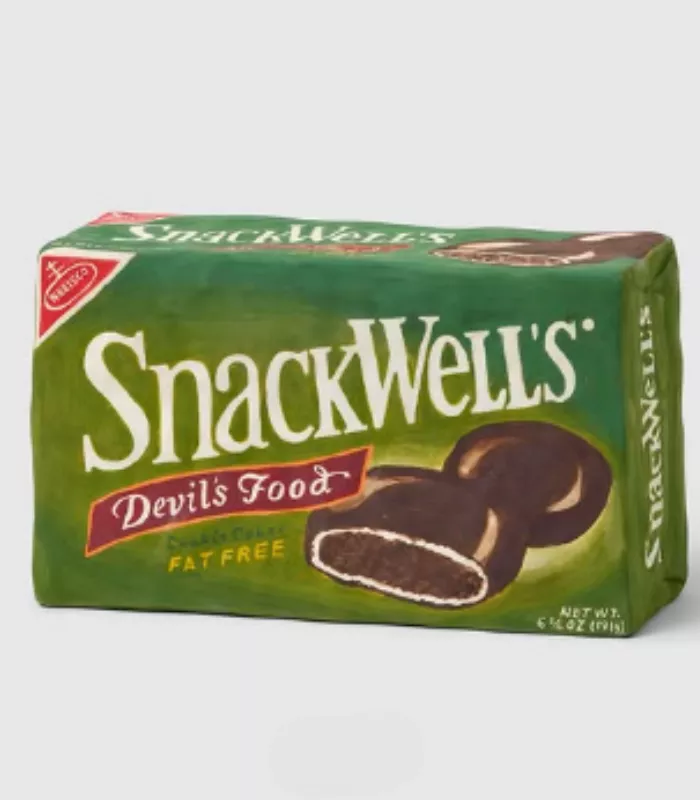
The terms “diet” and “low fat” often mean more chemicals and fewer nutrients. Manufacturers are replacing fat with sugar and sugar with artificial sweeteners.
Aspartame, sucralose and saccharin have been linked to an increased risk of diabetes. Your body continues to release insulin even when it tastes artificial sweetness.
These products train your taste buds for intense sweetness. Regular foods taste boring and push you toward more processed options.
14. Wrapped donuts

Store-bought donuts and pastries combine the worst ingredients: refined flour, sugar and industrial oils. A glazed donut contains 12 grams of sugar and 11 grams of fat.
The dough is often made with dough improvers and preservatives that you can't pronounce. These chemicals extend the shelf life to weeks or months.
That's why a donut from the supermarket tastes nothing like a fresh bakery donut. Real pastries go stale within a few hours – they stay soft for weeks.
15. Flavored potato chips
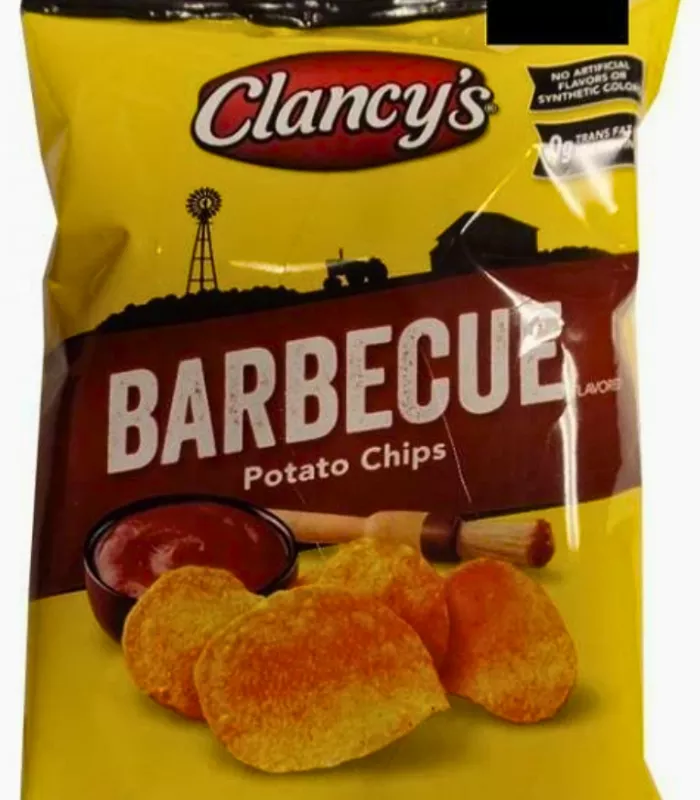
Plain potato chips are bad enough, but flavored varieties take it a step further. The coatings contain MSG, artificial colors and various forms of hidden sugar.
A single serving provides 180 mg of sodium and 10 grams of fat. Most people eat three portions at once without even realizing it.
The intense flavor is designed to override your body's natural satiety signals. Food scientists call this the “happy point” – it’s designed to keep you eating.
16. Breakfast pastries and toaster treats
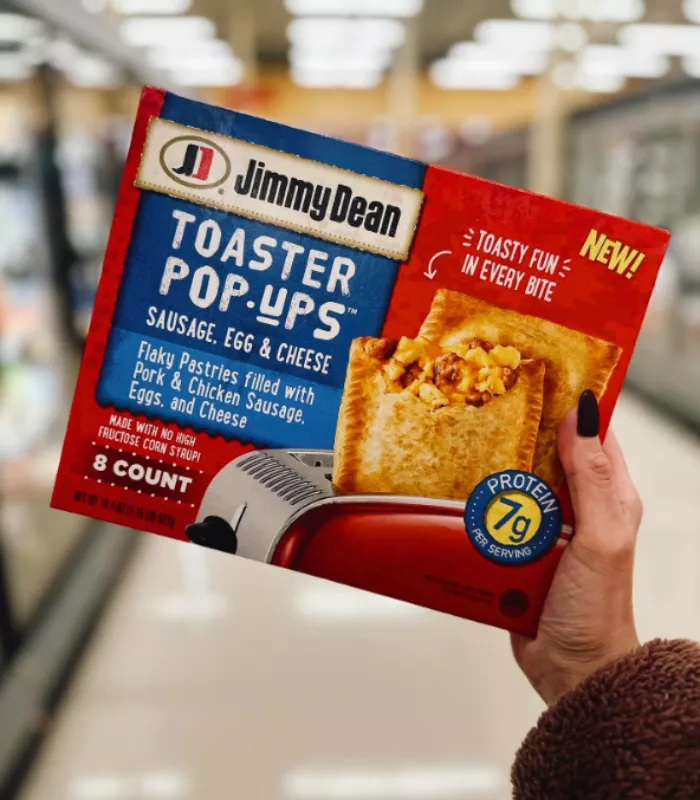
These convenient toaster pastries are basically cookies disguised as breakfast. Two pieces of pastry contain 34 grams of sugar and only 2 grams of protein.
The filling is mostly high fructose corn syrup and artificial fruit flavoring. Most varieties have little or no real fruit.
Frosting adds another layer of sugar and artificial colors. Starting your day this way guarantees an energy crash before lunch.
17. Packaged snack cakes and cream-filled cookies
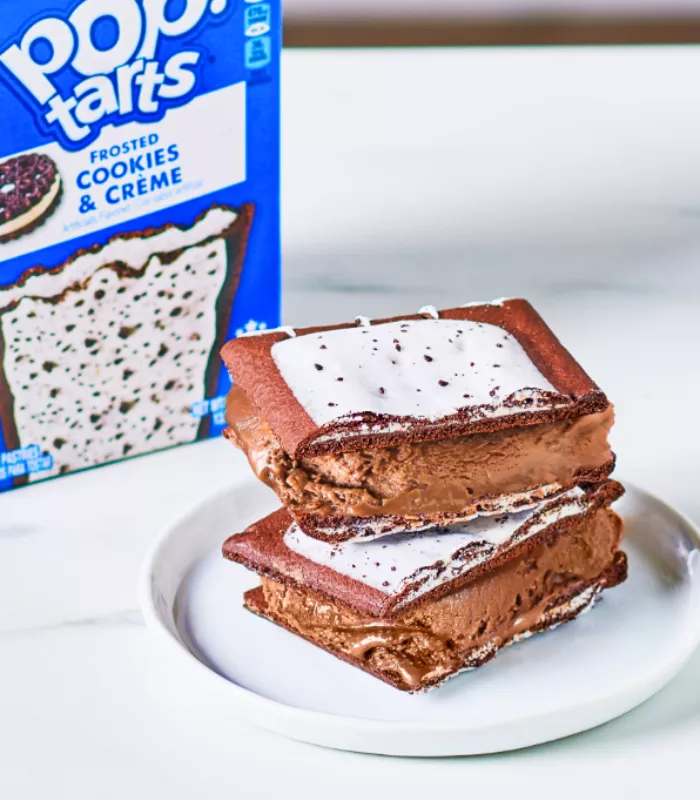
The cream filling in these cookies isn't cream at all. It is hydrogenated vegetable oil mixed with powdered sugar and artificial vanilla flavor.
Each cookie sandwich contains 3 grams of fat and 14 grams of sugar. The cookies themselves are made from refined flour without fiber.
Thanks to several preservatives, they stay fresh on the shelf for months. Real baked goods with real cream would spoil within a few days.
18. Boxed macaroni and cheese

This bright orange powder is not real cheese. It is a mixture of cheese powder, artificial colors and dozens of additives.
One pack provides 860 mg of sodium – more than a third of your daily requirement. The pasta is made from refined white flour, which converts directly into sugar in your bloodstream.
Real cheese sauce needs to be refrigerated and goes bad quickly. This stuff will sit in your pantry for years without spoiling.
19. Energy drinks
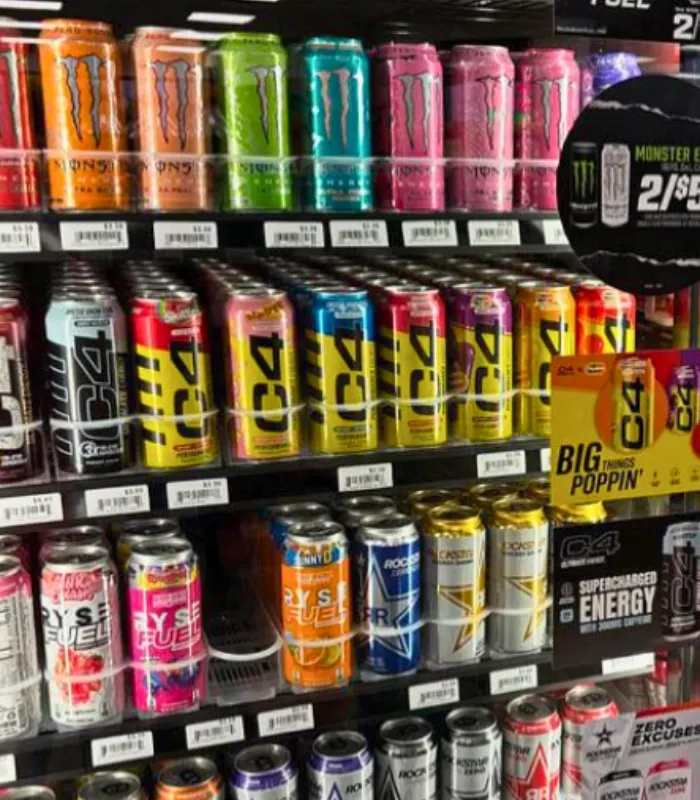
Energy drinks contain 200-300 mg of caffeine per can. That's three times the amount of a cup of coffee and affects your body all at once.
They also contain 50-60 grams of sugar as well as mysterious “energy blends” with unregulated herbal stimulants. The FDA does not require full disclosure of these proprietary blends.
Your heart rate and blood pressure increase within 30 minutes. Regular consumption has been linked to cardiac arrhythmias, particularly in people over 50.