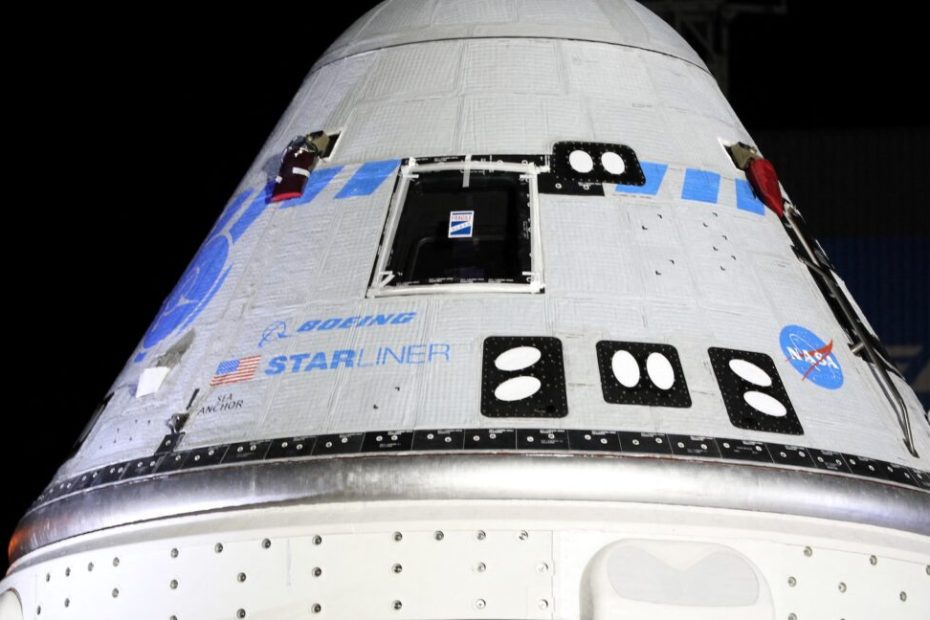
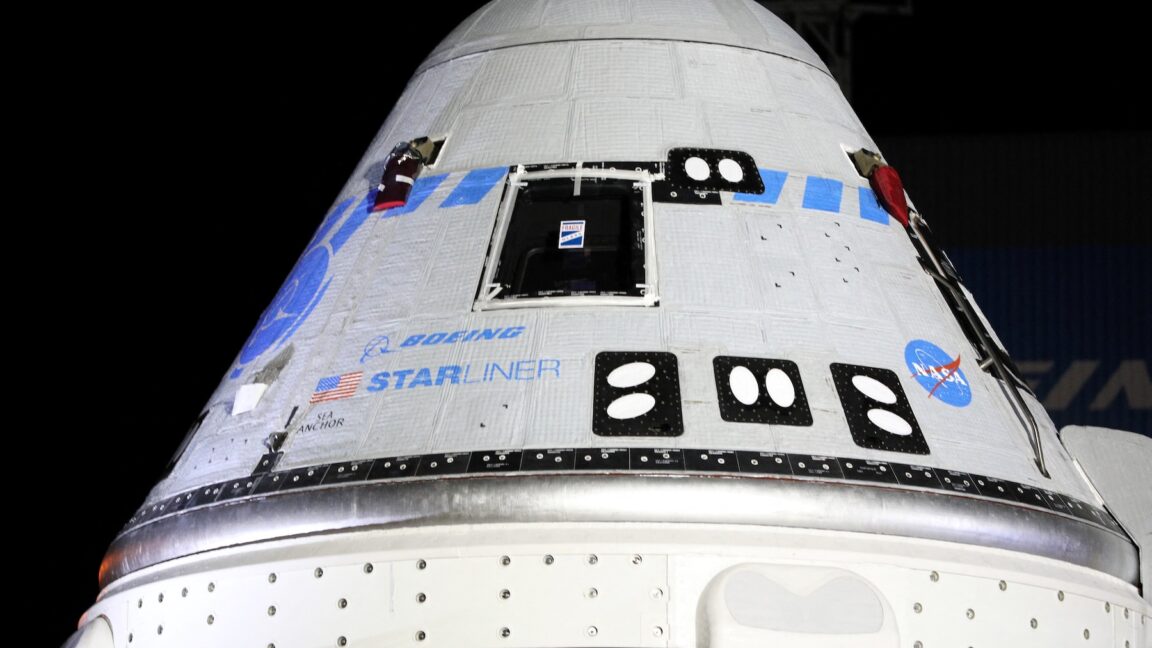
Invoking the designation also ensures an independent investigation, separate from the teams involved in the incident itself, said retired Air Force Lt. Gen. Susan Helms, chair of the safety panel. “We are, I think, just proponents of best practices in security research, and that's clearly one of the top best practices,” Helms said.
Another member of the safety panel, Mark Sirangelo, said NASA should formally report accidents and close calls as soon as possible. “It allows the investigation team to be formed much earlier, making them more effective and getting results to everyone faster,” Sirangelo said.
In the case of last year's Starliner test flight, NASA's decision not to report an accident or close call created confusion within the agency, safety officials said.
A few weeks after last year's Starliner test flight, the manager of NASA's Commercial Crew Program, Steve Stich, told reporters that the agency's plan was “to keep returning [the astronauts] on Starliner and take them home at the right time.” Mark Nappi, Boeing's then Starliner program manager, frequently appeared to downplay the severity of the thruster problems during press conferences during Starliner's nearly three-month mission.
“Specifically, philosophically, there is a significant difference between we will work to prove that the Starliner is safe for crew reentry, versus Starliner's philosophy that reentry is not possible, and the primary path is on an alternate vehicle, such as Dragon or Soyuz, unless and until we learn how to ensure that the orbital failures will not recur upon Starliner entry,” Precourt said.
“The latter would have been the most appropriate direction,” he said. “However, there were many stakeholders who believed the direction was the previous approach. This ambiguity persisted throughout the summer months as engineers and managers followed multiple test protocols across the Starliner propulsion systems, which undoubtedly impacted personnel.”
After months of testing and analysis, NASA officials were unsure whether the thruster problems would repeat during Starliner's flight home. They decided to return the spacecraft to the ground without the astronauts in August 2024, and the capsule landed safely in New Mexico the following month. The next Starliner flight will carry only cargo to the ISS.
The safety panel recommended that NASA revise its criteria and processes to ensure the language is “unambiguous” and require the organization to report an in-flight accident or a highly visible close call for any event involving NASA personnel “that results in an impact on the safety of the crew or spacecraft.”