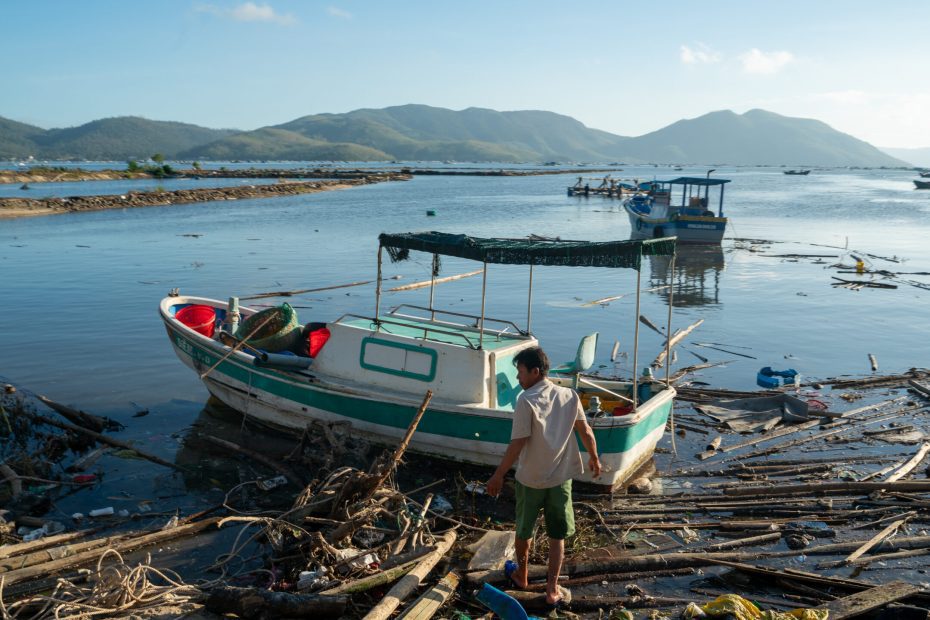
Based on greenhouse gas emissions forecasts, the report estimates that annual damage to traditional markets alone will reach $1.66 trillion by 2100.
The study, which began in 2021, brought together scientists from multiple disciplines: fisheries experts, coral reef researchers, biologists and climate economists. They assessed the downstream costs of climate change in four key sectors – corals, mangroves, fisheries and seaports – measuring everything from simple market losses from reduced fishing and maritime trade to reductions in the ocean-based recreation industry.
Researchers also put a monetary figure on what economists call non-use values. “Something has value because it makes the world feel more livable, meaningful or worth protecting, even if we never use it directly,” Bastien-Olvera said, referring to the fiscal value of enjoying ecosystems and the cultural loss caused by climate change. “Most people will never visit a coral reef during a full moon spawning event, or see a deep-sea jellyfish glowing in total darkness. But many still care deeply that these things exist.”
Island economies, which rely more on seafood for their diets, will face disproportionate financial and health impacts from ocean warming and acidification, the study said. “The countries that bear the most responsibility for causing climate change and have the most capacity to solve it are generally not the same countries that will experience the greatest or most short-term damage,” said Kate Ricke, co-author and climate professor at UCSD's School of Global Policy and Strategy. Incorporating ocean data into the social costs of carbon assessments shows increasing impacts on morbidity and mortality in low-income countries facing greater nutritional deficits.
Despite the magnitude of the scientific discovery, Bastien-Olvera and Ricke are optimistic that these data will be a wake-up call for international decision-making. “I hope that the high value of 'blueSCC' can motivate further investments in adaptation and resilience of ocean systems,” says Ricke, using the term of the ocean-based social cost of carbon and referring to the opportunities to invest in restoration projects for coral reefs and mangroves.
Meanwhile, Bastien-Olvera believes that focusing the framework on oceans also recognizes the long-standing conservation approaches of coastal communities, ocean scientists and indigenous peoples. “For a long time, climate economics treated ocean values as if they were worth zero,” he said. “This is a first step in finally recognizing how wrong that was.”
This article originally appeared on Inside Climate News, a nonprofit, nonpartisan news organization covering climate, energy and the environment. Sign up for their newsletter here.