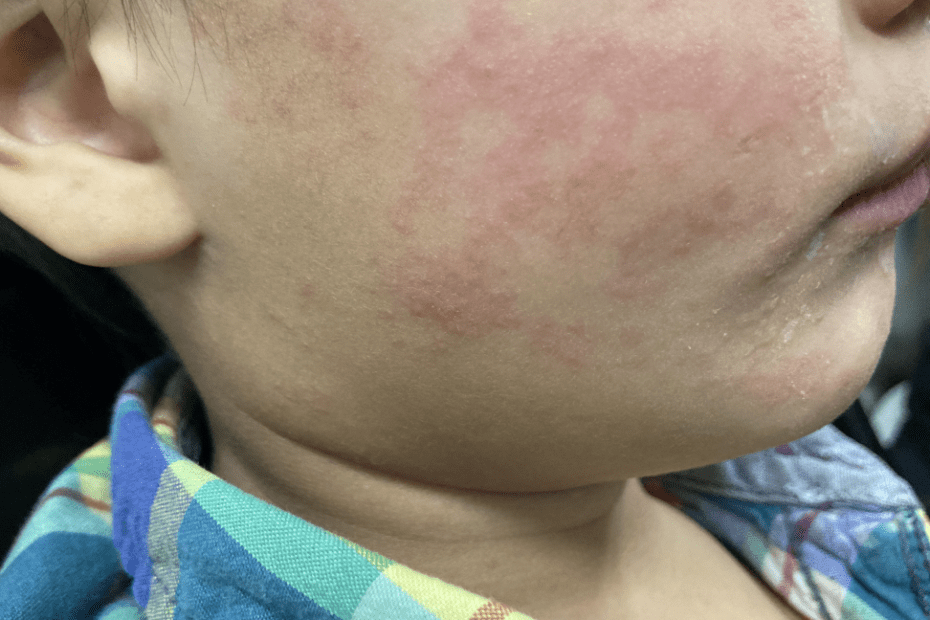
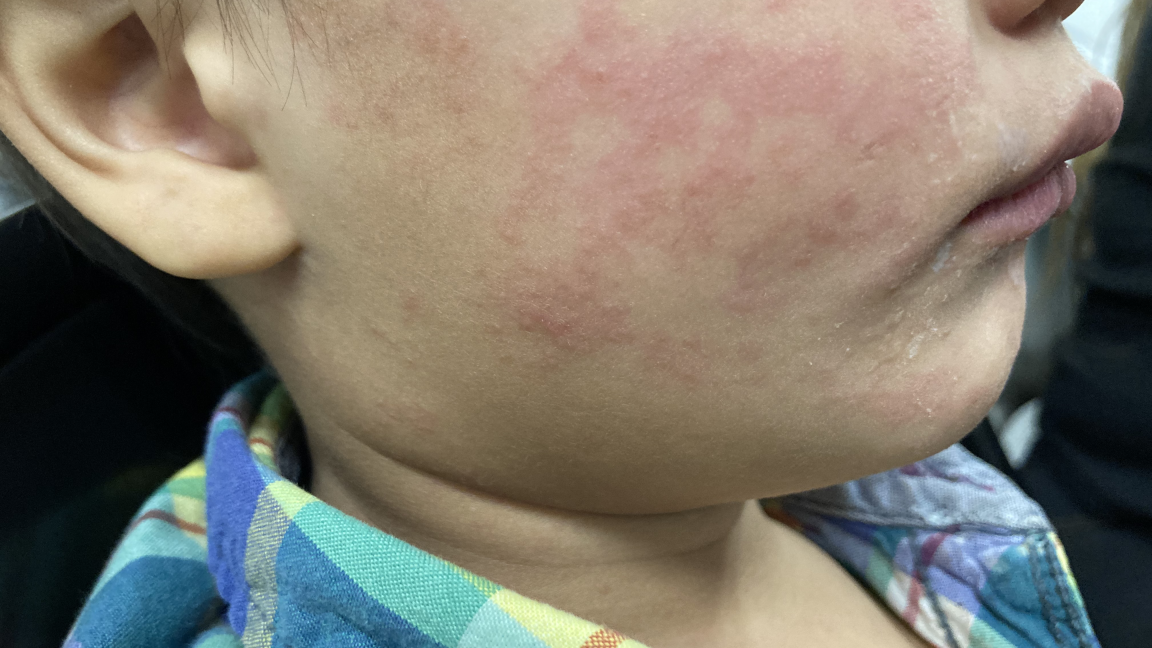
The disease usually develops seven to fourteen days after exposure, but it can last up to 21 days (the duration of quarantine). Once it develops, it is characterized by high fever and a telltale rash that starts on the head and spreads downward. People are contagious for four days for the rash develops and four days after it appears. Complications can range from ear infections and diarrhea to encephalitis (swelling of the brain), pneumonia, death in up to 3 in 1,000 children and, very rarely, a fatal neurological condition that can develop seven to ten years after the acute infection (subacute sclerosing panencephalitis).
Two doses of the measles, mumps and rubella (MMR) vaccine are considered 97 percent effective against the virus, and that protection is considered lifelong. Ninety-nine percent of the 310 cases in the South Carolina outbreak are in people who are unvaccinated, partially vaccinated, or have unknown vaccination status (only 2 people have been vaccinated).
The Centers for Disease Control and Prevention, which only has data as of Jan. 6, has recorded three confirmed cases for this year (two in South Carolina and one in North Carolina, linked to the South Carolina outbreak). Since then, South Carolina reported 26 cases on Tuesday and 99 today, for a total of 125. North Carolina also reported three additional cases on Tuesday, again linked to the South Carolina outbreak. In total, that brings the U.S. figure to at least 131 on just nine days of the year.
In 2025, the country recorded 2,144 confirmed cases, the most cases since 1991. Three people died, including two otherwise healthy children. In 2000, the US declared measles eliminated, meaning the disease was no longer continuously circulating in the country. Ongoing outbreaks, including one in South Carolina, put the country's elimination status at risk.