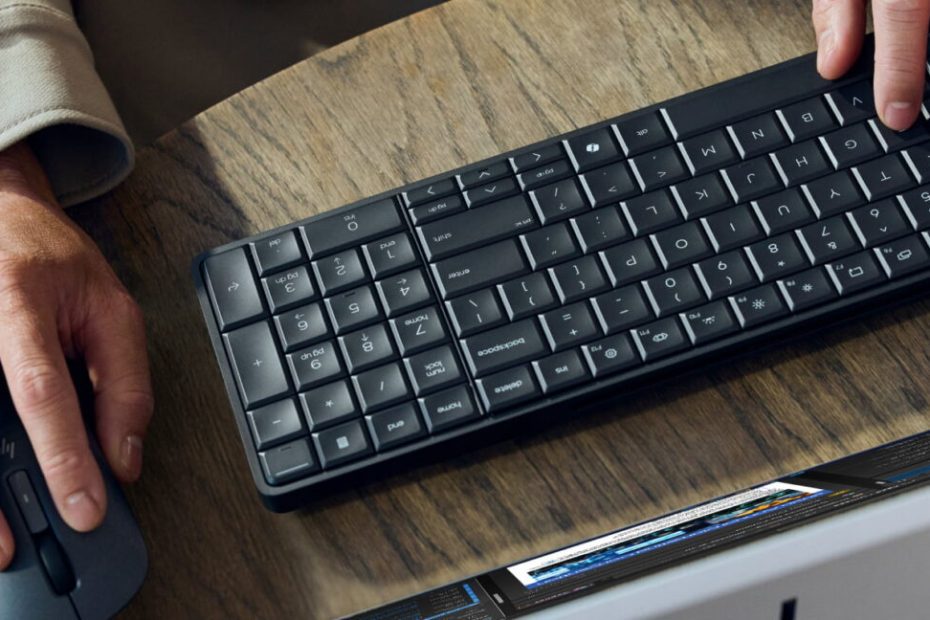
As a Windows system built into a functioning membrane keyboard, the HP EliteBoard G1a announced today is a more accessible alternative to other keyboard PCs.
The Commodore 64 made the keyboard PC famous in the 1980s, but the keyboard PC space was dominated by the Raspberry Pi. In 2019, the single-board computer (SBC) maker released the Raspberry Pi 400, which is essentially a Raspberry Pi 4 SBC in a case that doubles as a keyboard for the system. USB, HDMI and Ethernet ports, plus a GPIO header and native Raspberry Pi OS Linux distribution combine for a low-end desktop computing experience that costs just $100. Then the Raspberry Pi 500 with a Pi 5 powered by a quad-core, 64-bit Arm Cortex-A76 inside, and the Pi 500+, which has NVMe SSD, instead of microSD, storage, and built in a low-profile mechanical keyboard (it's also twice as expensive: $200).
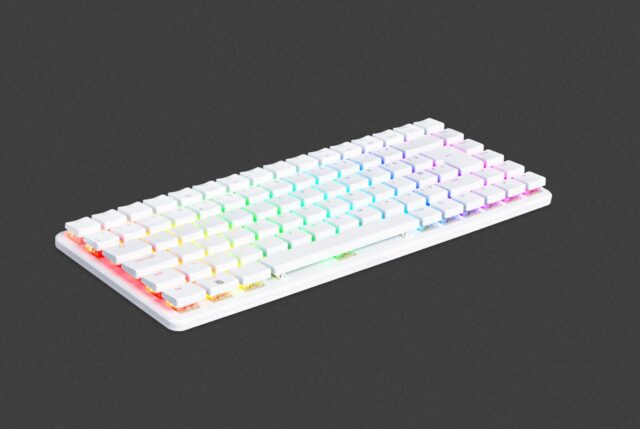
The Pi 500+ keyboard PC with RGB.
Credit: Raspberry Pi
The Pi 500+ keyboard PC with RGB.
Credit: Raspberry Pi
But Raspberry Pis mainly appeals to tinkerers, do-it-yourselfers and Linux fans, making Pi-as-desktop a niche product with a significant learning curve for newcomers.
Alternatively, HP's EliteBoard will bring Windows and a more powerful x86 architecture to the keyboard PC form factor. HP says the EliteBoard will support Windows 11 Pro for Business and an AMD Ryzen AI 300 series processor with up to 50 TOPs NPU. The device is sold with a 32W internal battery and is part of Microsoft's Copilot+ PC program.