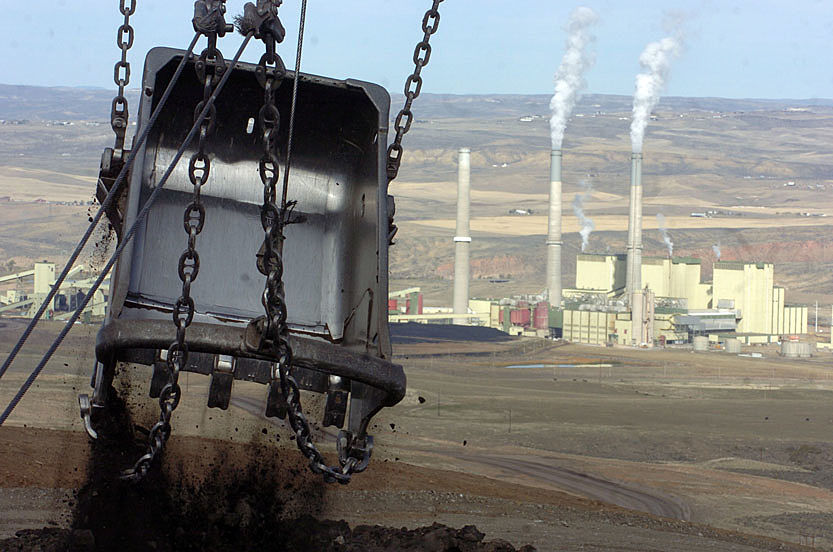
On Tuesday, US Secretary of Energy Chris Wright issued a now-familiar order: Due to a perceived energy emergency, a coal-fired power plant that was about to be closed would be forced to remain open. This time, the order targeted one of three units at Craig Station in Colorado, which was set to close at the end of this year. The remaining two units are expected to close in 2028.
The supposed reason for this order is an emergency caused by a shortage of generation capacity. “The reliable power supply from the coal-fired power plant is essential for keeping the region's electricity grid stable,” said a statement from the Ministry of Energy. Still, the Colorado Sun notes that Colorado's Public Utilities Commission had already analyzed the impact of the potential closure and determined, “Craig Unit 1 is not required for purposes of reliability or resource adequacy.”
The decision does not require that the plant actually produces electricity; instead, it is ordered that it be available in case a production shortage occurs. As noted in the Colorado Sun article, actual operation of the plant could potentially violate Colorado laws, which regulate air pollution and set limits on greenhouse gas emissions. The cost of maintaining the plant will likely fall on local taxpayers, who had already adjusted to the closure plans.
The DOE's use of emergency powers is authorized under the Federal Power Act, which allows it to order the temporary disconnection of generation or infrastructure when the U.S. is at war or when “an emergency exists due to a sudden increase in demand for electrical energy, or a shortage of electrical energy.” It is not at all clear whether “we expect demand to increase in the future,” the DOE's current reasoning is consistent with that definition of emergency. It is also difficult to see how the use of coal-fired power stations complies with other restrictions placed on the use of these emergency regulations: