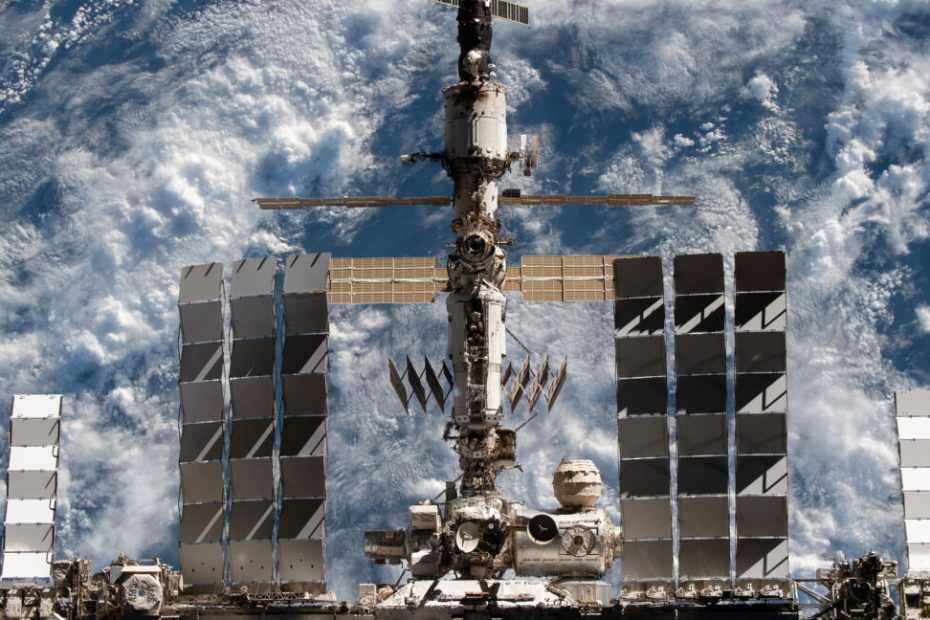
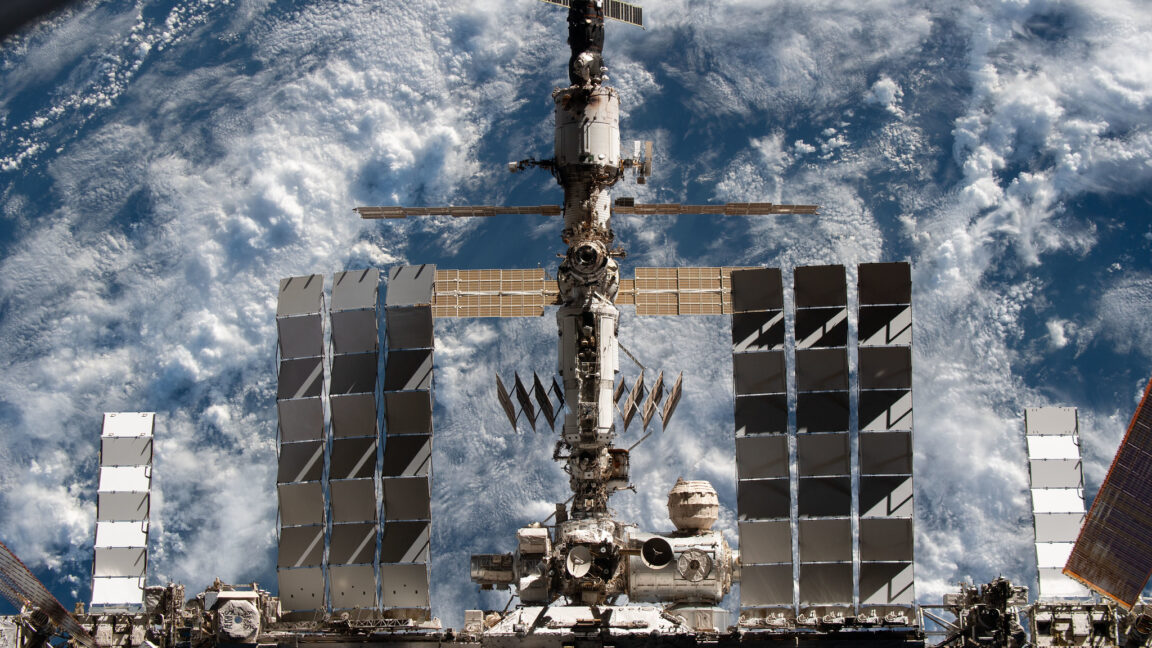
A small part of the International Space Station, which has suffered from persistent leaks for years, appears to have stopped venting atmosphere into space.
The leaks were caused by microscopic structural cracks in the small PrK module on the Russian part of the space station, which lies between an airlock on a Progress spacecraft and the Zvezda module. The problem has long been a concern for Russian and American operators of the station, especially after the leak rate doubled in 2024. This prompted NASA officials to label the leak as a risk of “high probability” and “high consequence.”
However, recently two sources indicated that the leaks have stopped. And NASA has now confirmed this.
“Stay Stable”
“Following additional inspections and sealing activities, pressure in the transfer tunnel connected to the International Space Station's Zvezda Service Module, known as the PrK, remains in a stable configuration,” a space agency spokesperson, Josh Finch, told Ars. “NASA and Roscosmos continue to monitor the previously observed cracks and investigate for any future changes.”
For the better part of half a decade, Russian cosmonauts have searched for the small leaks like a proverbial needle in a haystack. They periodically closed the hatch leading to the PrK module and then, upon reopening it, looked for small accumulations of dust to indicate leak locations.
Then the Russian cosmonauts would apply a sealant known as Germetall-1 (which is now patented) to the cracks. They would close the hatch again, check the pressure in the PrK module and start looking again for further leaks. This process took years.