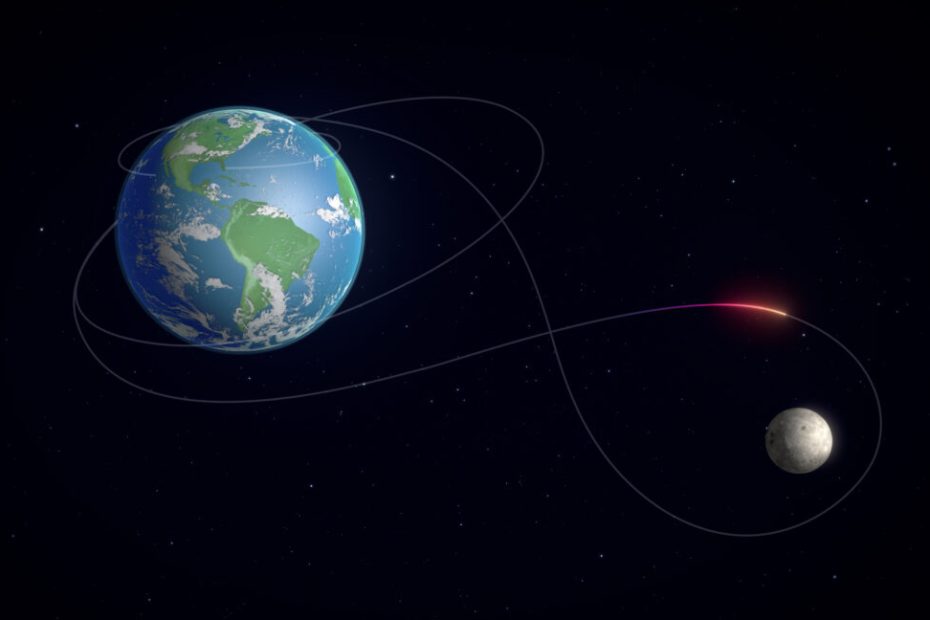
“By putting the crew on the rocket and taking the crew around the moon, this will be our first step toward a sustainable lunar presence,” Honeycutt said. “It's ten days [and] four astronauts who have traveled further from Earth than any other human has ever traveled. We will validate the Orion spacecraft's life support, navigation and crew systems in the truly harsh environments of deep space, paving the way for future landings.”
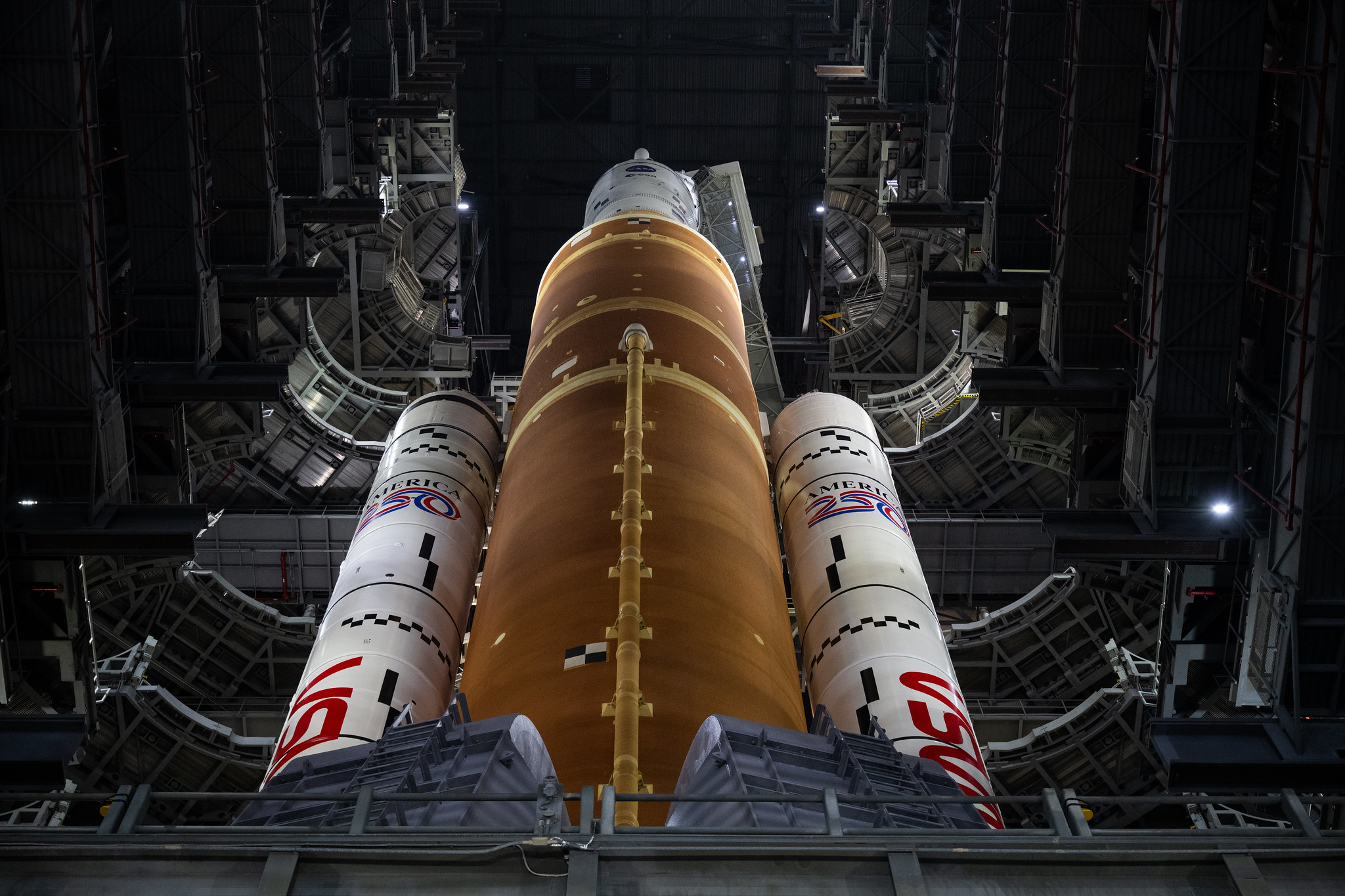
NASA's 322-foot-tall (98 meters) SLS rocket in the Vehicle Assembly Building on the eve of rollout to Launch Complex 39B.
Credit: NASA/Joel Kowsky
NASA's 322-foot-tall (98 meters) SLS rocket in the Vehicle Assembly Building on the eve of rollout to Launch Complex 39B.
Credit: NASA/Joel Kowsky
There is still a lot of work to be done before NASA can release Artemis II for launch. At the launch pad, technicians will complete final checks and shutdowns before NASA's launch team meets for a critical hands-on countdown in early February. During this countdown, called a Wet Dress Rehearsal (WDR), Blackwell-Thompson and her team will oversee the loading of the SLS rocket's core stage and upper stage with super-cold liquid hydrogen and liquid oxygen propellants.
The cryogenic fluids, specifically liquid hydrogen, gave rise to the Artemis launch team as NASA prepared to launch the Artemis I mission– without astronauts– during the first test flight of the SLS rocket in 2022. Engineers resolved the problems and successfully launched the Artemis I mission in November 2022, and officials will apply the lessons to the Artemis II countdown.
“Artemis I was a test flight and we learned a lot during the launch of the campaign,” Blackwell-Thompson said. “And the things we learned about how to charge this vehicle, how to charge LOX (liquid oxygen), and how to charge hydrogen, have all been factored into how we want to do that for the Artemis II vehicle.”
Finding the right time to fly
Assuming the countdown rehearsal goes as planned, NASA could be in a position to launch the Artemis II mission as early as February 6. But the schedule for February 6 is tight and there is no room for error. Officials typically have about five days a month to launch Artemis II, when the moon is in the right position relative to Earth, and the Orion spacecraft can follow the correct trajectory toward reentry and crash to limit stress on the capsule's heat shield.
In February, available launch dates are February 6, 7, 8, 10 and 11, with overnight launch windows in Florida. If the mission doesn't lift off by February 11, NASA will have to stall until a new round of launch opportunities begins on March 6. The space agency has posted a document with all available launch dates and times through the end of April.
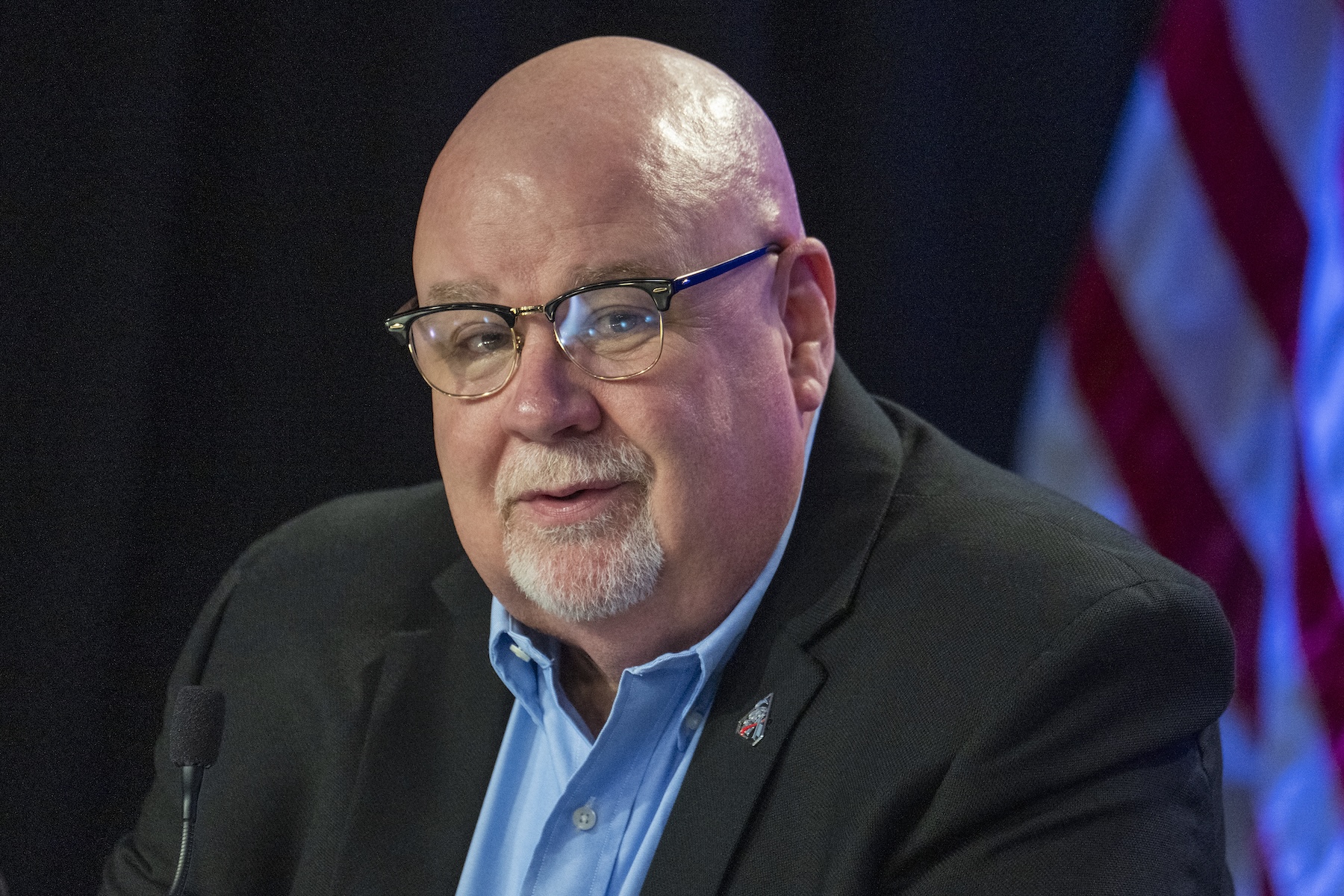
John Honeycutt, chairman of NASA's Mission Management Team for the Artemis II mission, speaks during a press conference at the Kennedy Space Center in Florida on January 16, 2026.
Credit: Jim Watson/AFP via Getty Images
John Honeycutt, chairman of NASA's Mission Management Team for the Artemis II mission, speaks during a press conference at the Kennedy Space Center in Florida on January 16, 2026.
Credit: Jim Watson/AFP via Getty Images
NASA leaders are eager to see Artemis II fly. NASA isn't just racing with China, a reality the agency's former administrator acknowledged during the Biden administration. Now the Trump administration is pushing NASA to achieve a human landing on the moon by the end of his presidential term on January 20, 2029.
One of Honeycutt's duties as chairman of the Mission Management Team (MMT) is to ensure all the I's and T's are crossed amid the frenzy of final launch preparations. While the hardware for Artemis II is underway in Florida, the astronauts and flight controllers are completing their final training and simulations at the Johnson Space Center in Houston.
“I think I have a good eye on the launch fever,” he said Friday.
“As chairman of the MMT, I have one job, and that is the safe return of Reid, Victor, Christina and Jeremy. I view that as a duty and a trust, and it is a job I want to continue.”