“A lot of people weren't happy,” said Byra, who recalled that some neighbors felt they should get more money for their homes. Byra said she and her husband thought they would have a hard time selling on their own, so they accepted the buyout and moved to a house on higher ground, but still in Manville, where she grew up.
Unless there is a major flood, Onderko said, Manville is a good place to live. So homeowners, even in the two parts of the city known for flooding, can go years without dealing with a water disaster.
Onderko said residents had long relied on a mix of government assistance to rebuild after the floods, but two years after Ida struck in 2021, the state said it would use federal funds only for Blue Acres' acquisition of flood-prone properties in Manville.
Onderko said he and residents were blindsided by the policy change. He also believes elevation and repair remained viable alternatives for some homes. The buyouts take time, he said, and the city loses tax revenue from the properties sold through the Blue Acres program. “It doesn't help the city to lose [tax] taxable,” said the mayor, who said the city also bears the costs of maintaining open space.
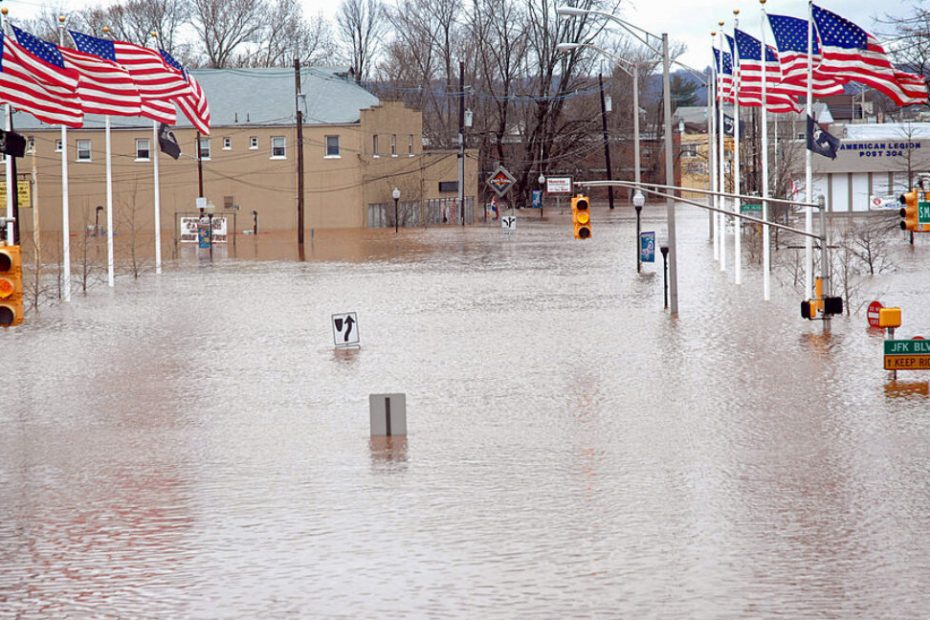
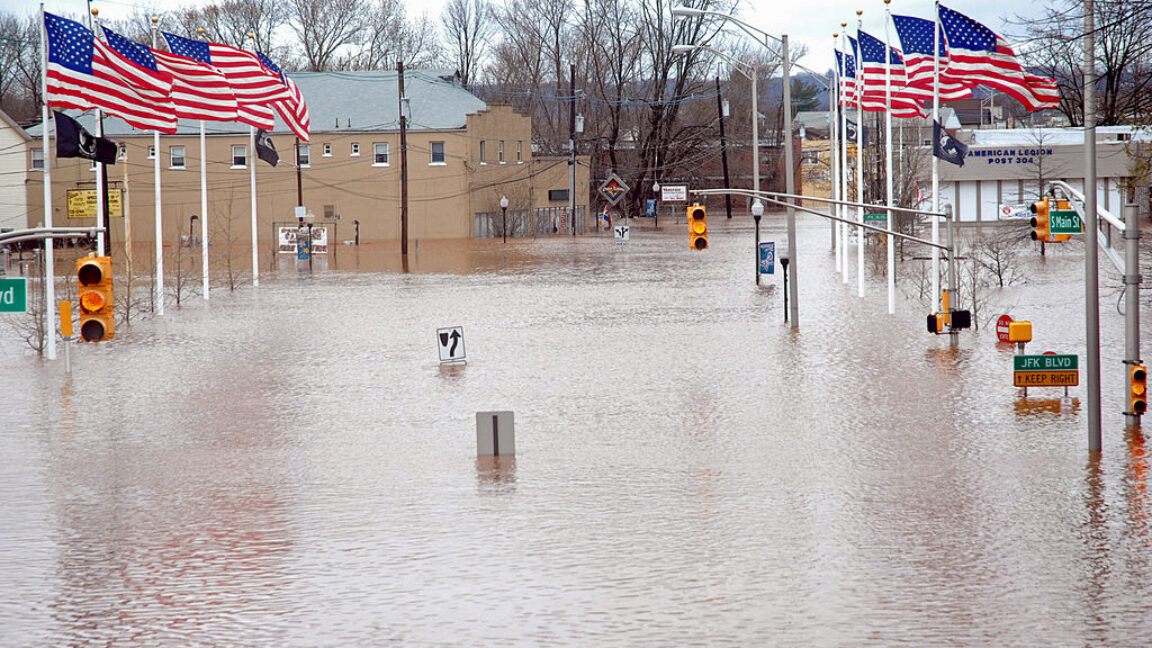
Now in his third term as mayor, Onderko, who lives in a house higher than his childhood home, looks more like a property manager than a city councilman as he leads a city made up of a mix of neighborhoods. Some are on higher ground and do not flood, but others are in areas that are repeatedly affected by flooding. There, vacant lawns of demolished Blue Acres properties are interspersed with homes that have been raised, repaired or still in recovery mode. “It's very frustrating,” Onderko said.
Looking to the future, the mayor said he believes many more homes will be at risk with the next flood. And Onderko doesn't sound particularly hopeful about how that will go.
“It's going to take a miracle to save this city,” he said.
This article originally appeared on Inside Climate News, a nonprofit, nonpartisan news organization covering climate, energy and the environment. Sign up for their newsletter here.