The case about the canceled subsidies moved relatively quickly. In June, a district court judge declared that the federal policy “represents racial discrimination” and issued a preliminary injunction that would restore all canceled grants. In his written opinion, Judge William Young noted that the government had issued guidelines blocking support for DEI without even bothering to define what DEI is, making the entire policy arbitrary and capricious, and thus in violation of the Administrative Procedure Act. He invalidated the policy and ordered funding restored.
His decision ultimately reached the Supreme Court, which issued a ruling in which a fragmented majority agreed on only one issue: Judge Young's district court was the wrong place to settle issues about government-provided money. So, recovering the money from the canceled subsidies would have to be handled through a separate case filed in a different court.
Crucially, this left the other part of the decision intact. Young's determination that the administration is anti-DEI, anti-climate, anti-etc. policy was illegal and therefore nullity was upheld.
Restore reviews
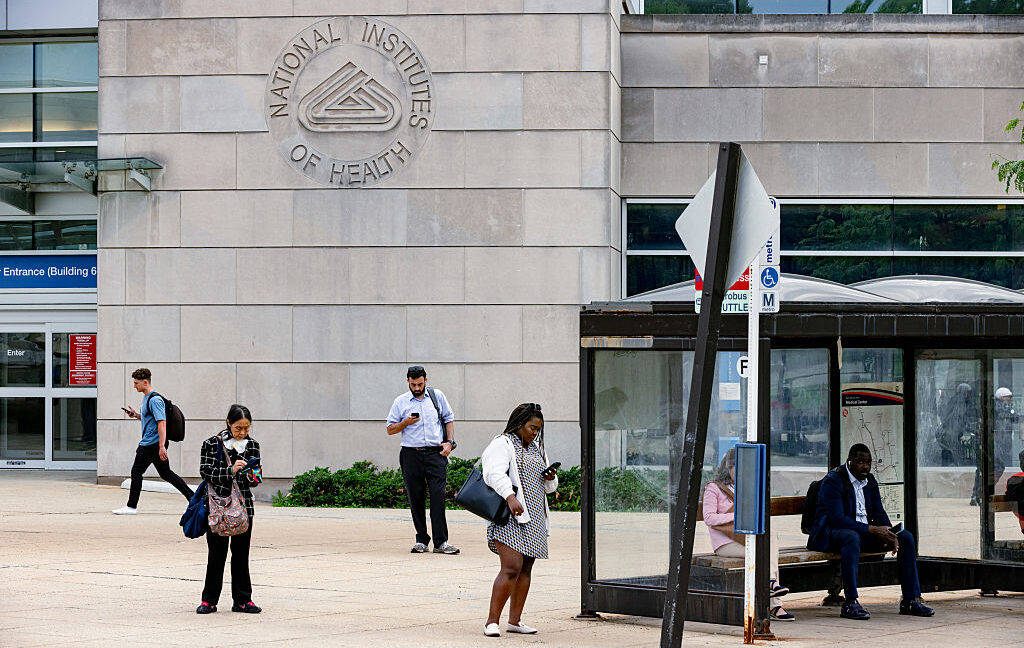
That has significant implications for the second part of the initial lawsuit, which involves grants that had not yet been funded and were excluded from any consideration by the Trump administration's policies. With that policy nullified, there was no justification for the National Institutes of Health's (NIH) failure to consider the grants when they were submitted. But in the meantime, deadlines had passed, amounts of money had been spent, and in some cases the people who had submitted the grants were no longer in the “new researcher” category under which they were applying.
The proposed settlement essentially turns back the clock on all of this; the blocked grants will be evaluated for funding as if it were still early 2025. “Defendants determine and agree that the end of the 2025 federal fiscal year will not prevent Defendants from considering and/or granting any of the applications,” it says. Even if the Notice of Funding Opportunity has now been withdrawn, the grant applications will be sent for peer review.