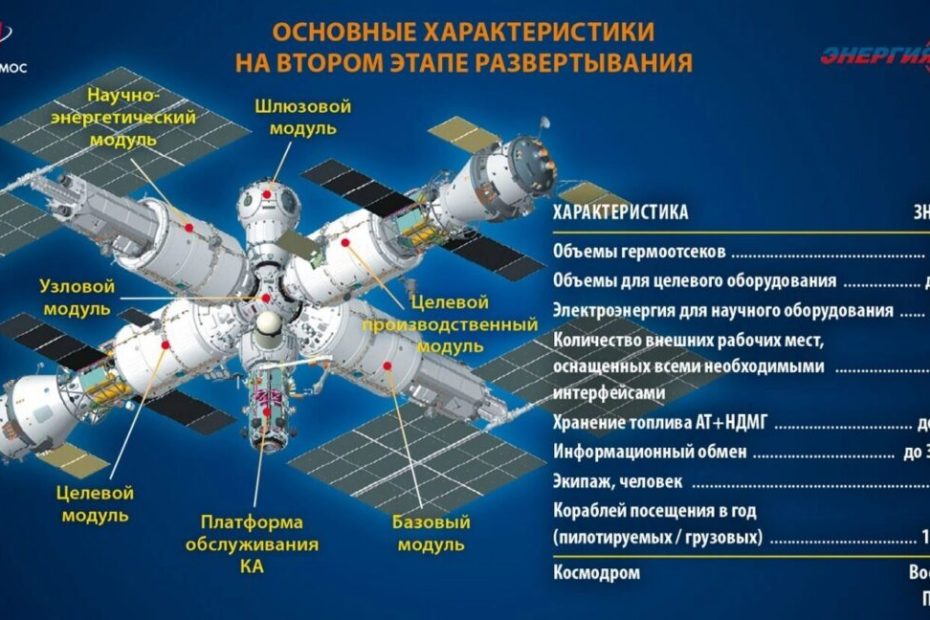
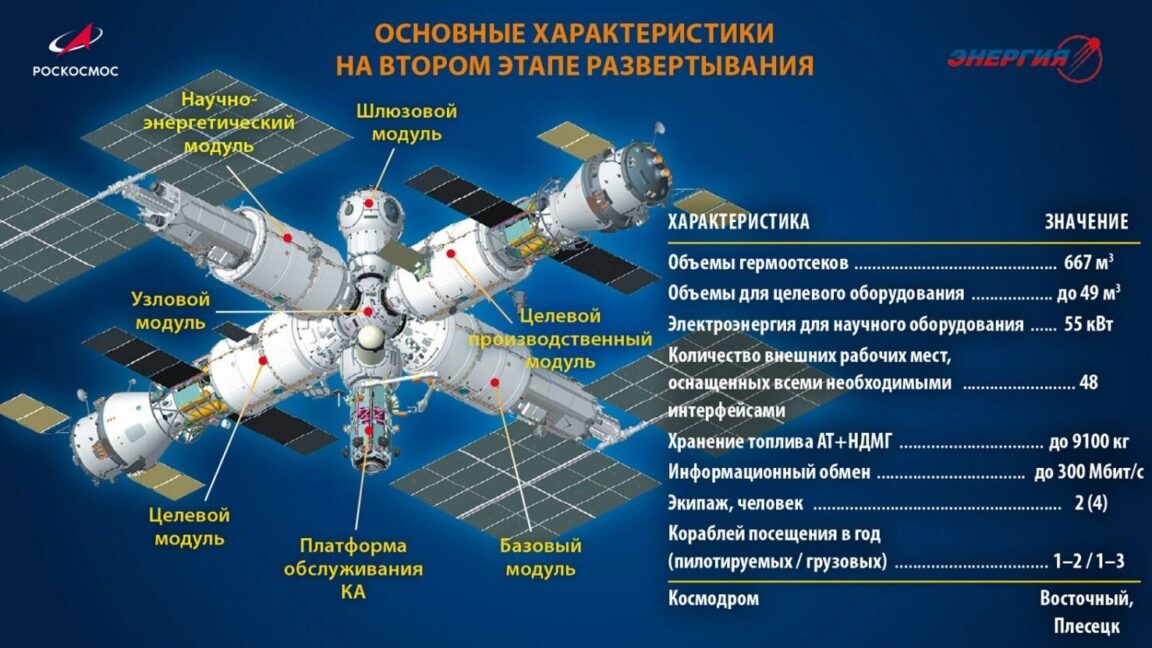
Meanwhile, the Russian core will fly on. Some elements will have been orbiting the Earth for more than thirty years.
Some in Russia are not happy
In a scathing article about the decision, the Russian newspaper New Izvestia examined its consequences. The article, translated for Ars by Rob Mitchell, recalled comments Orlov made in 2022 about the dangerous bacteria and fungi that have accumulated on the International Space Station during its extended lifespan. Because of these microorganisms from hundreds of visiting astronauts, he said, there is a danger to both people and damaged electrical components. At the time, Orlov was trying to justify financing a new station. “Have bacteria and fungi suddenly become less dangerous in the past three years?” asks the Russian article.
There may not be much time for new research either. Russian cosmonauts on the space station currently spend about 50 percent of their time maintaining the station due to its aging infrastructure.
So at a time when China will have its own Tiangong space station, NASA should have one or more privately operated space stations to visit, and India could also start building its own orbital outpost, will Russian cosmonauts exactly be left behind?
“Russia, meanwhile, will have to continue the legacy of the ISS, with all its problems,” the New Izvestia article said. “We will not yet have a new orbital station with modern capabilities, and the Vostochny Cosmodrome loses much of its significance, which means that investments in a launch pad for manned flights may be lost. But let's be happy for Kazakhstan: the authorities will continue to receive rent from Baikonur.”
This is clearly a money-saving move for Russia. Given its war-ravaged economy, the country cannot afford major investments in civilian space projects. It's been clear for a while that ROS was largely a vaporware project. However, basing a new station on decades-old space station elements, which show signs of cracks and leaks, is remarkable even for Russia's threadbare space program.
The Russian justification for the change is funny. Manturov and Roscosmos head Dmitry Bakanov have said that placing ROS at an inclination of 51.6 degrees would allow interaction with an Indian station, which may fly in a similar orbit. So maybe some cooperation can happen in the time before the Russian station falls apart and India's starts flying?
That is indeed a thin piece of cake to justify such a monumental decision.