The worse something smells, the more likely a culture somewhere will consider it a delicacy.
This is not a coincidence or some cosmic joke.
Fermentation creates both the terrible smells and incredible flavors we crave.
The same bacteria that make cheese smell like feet also give it its rich, complex flavor.
People pay high prices for food that smells like it should be thrown away.
These 21 foods prove that trusting your nose means you're missing out on some of humanity's greatest culinary achievements.
1. Durian, Southeast Asia
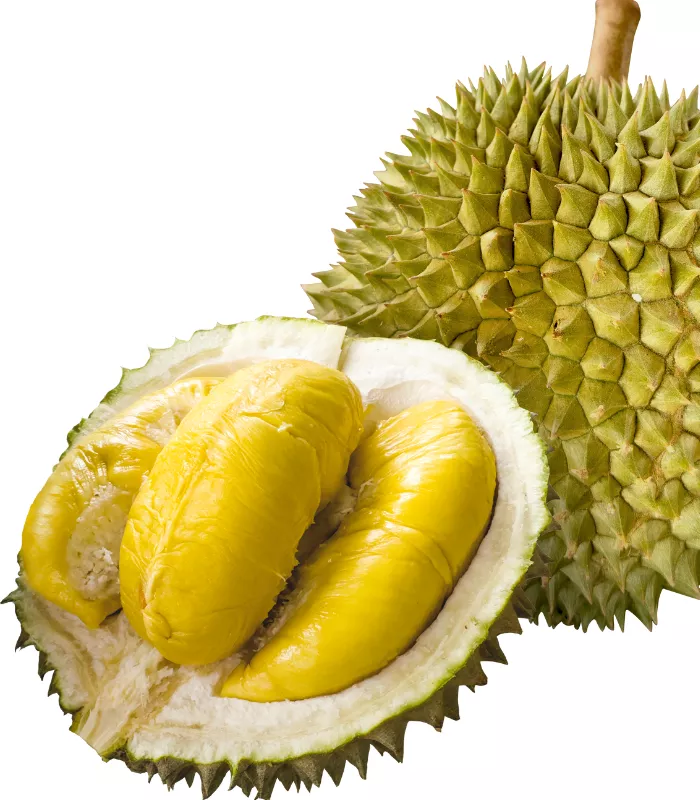
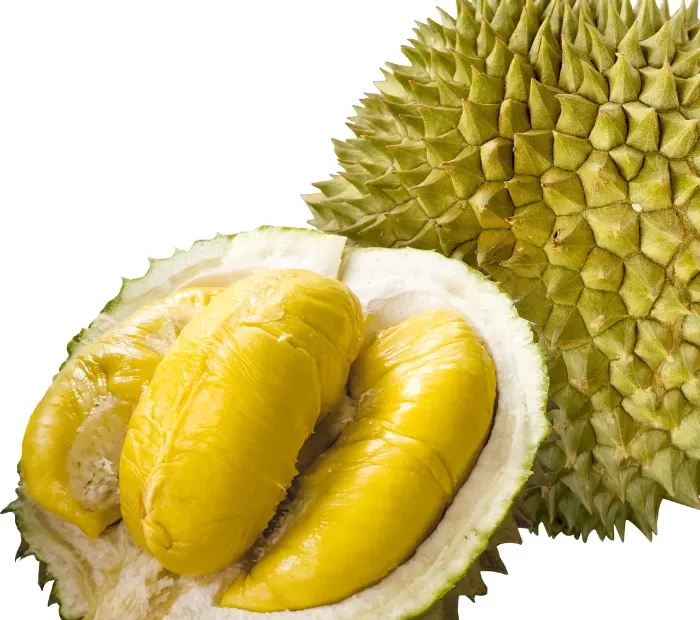
Durian smells like a mix of old gym socks and rotting onions.
Many hotels in Southeast Asia actually ban this fruit because the smell lasts for days.
But here's the deal: Once you get past the smell, durian tastes like creamy custard with a hint of almond.
The texture is smooth and rich, almost like eating frozen yogurt that isn't frozen.
People in Thailand and Malaysia pay the highest price for premium durian varieties.
Some rare varieties can cost over $100 per fruit at specialty markets.
2. Limburger Cheese, Wisconsin
This cheese smells exactly like dirty feet. The same bacteria that cause foot odor also age Limburger cheese.
Your nose may say no, but your taste buds will thank you.
Limburger has a mild, spicy flavor with a creamy texture that melts in your mouth.
Wisconsin now produces the majority of America's Limburger cheese. The smell comes from the washing process during maturation, which takes about three months.
3. Fermented soybeans (Natto), Japan
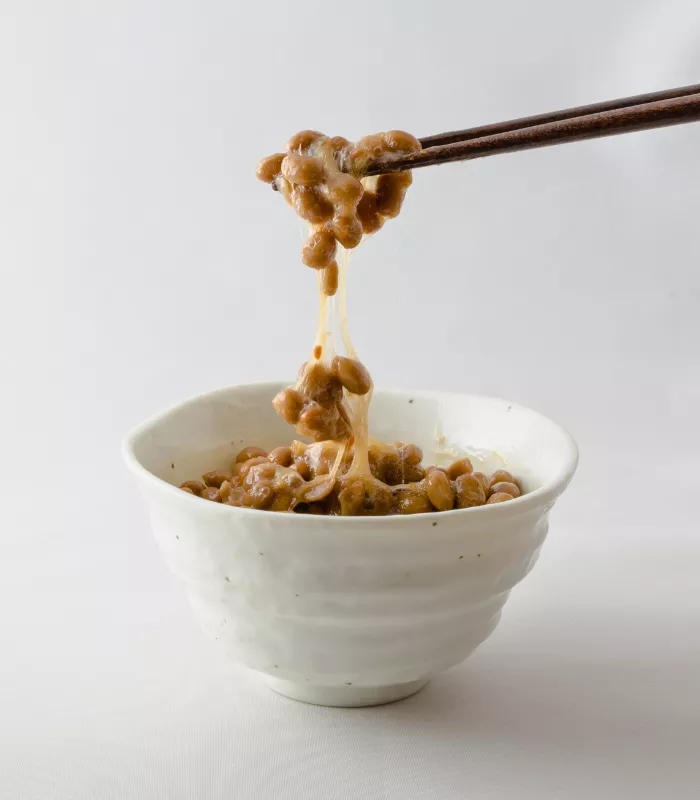
Natto smells like old sneakers mixed with ammonia. The sticky, fibrous texture doesn't improve the case either.
Japanese eat natto for breakfast with rice almost every day. It has a nutty, earthy flavor with a slight bitterness that comes to mind.
This superfood contains more vitamin K2 than almost any other food. With one serving you cover around 150% of your daily requirement.
4. Stinky Tofu, Taiwan
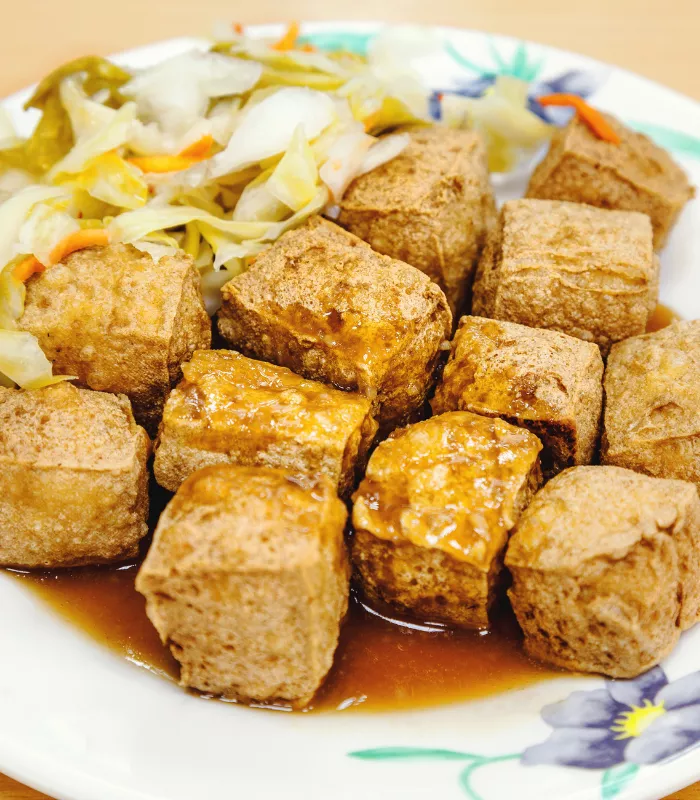
Street vendors in Taiwan sell this fermented tofu that smells like garbage. The smell can come from a block away on busy market streets.
That's why the locals line up anyway. Stinky tofu tastes crispy on the outside and soft on the inside, with a complex fermented flavor reminiscent of aged cheese.
The fermentation process lasts between several days and several months. Longer fermentation produces stronger smells but deeper flavors.
5. Hakarl (fermented shark), Iceland

This traditional Icelandic dish smells of pure ammonia and cleaning products. The Vikings invented this preservation method over 1,000 years ago.
Hakarl tastes fishy but not overwhelming, with a strong cheese note. The consistency is chewy and resembles dried fish.
In fact, Greenland sharks are poisonous when fresh. The fermentation and drying process removes the toxins and makes the meat safe to eat.
6. Epoisses cheese, France
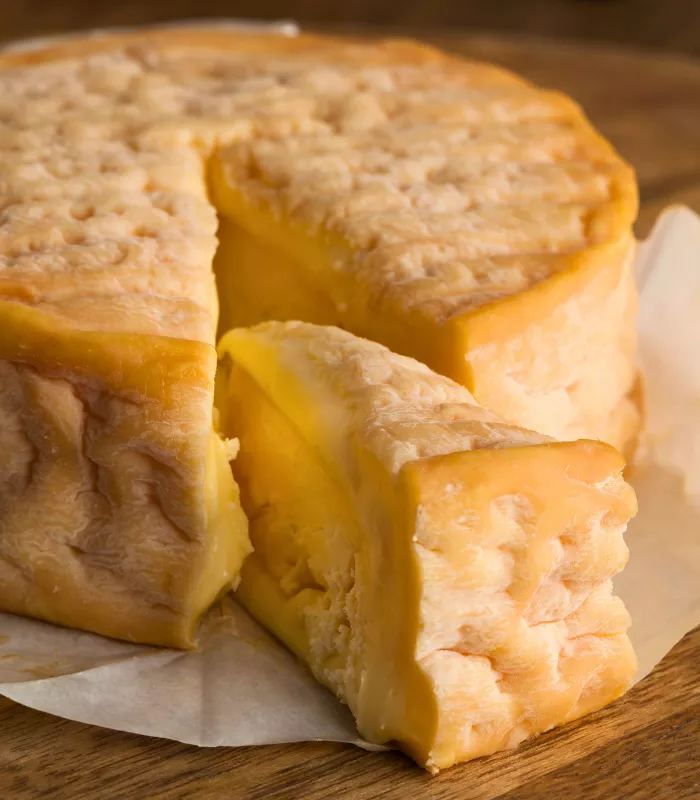
Napoleon reportedly loved this cheese despite its farm smell. Some people compare it to wet hay mixed with old socks.
The taste is completely different than the smell. Epoisses is creamy, salty and slightly sweet with a rich, complex finish.
Monks in Burgundy made this cheese as early as the 16th century. They wash the cheese with local brandy as it matures, which enhances both the smell and taste.
7th century eggs, China
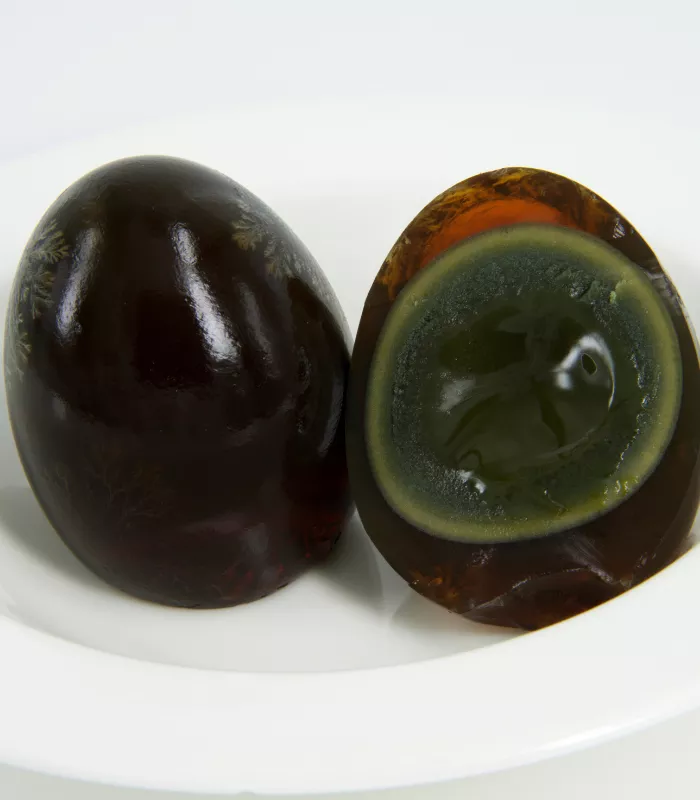
These preserved eggs smell like sulfur and ammonia combined. Even the dark green or black color doesn't make them more attractive.
But here's the catch: Century Eggs taste creamy and rich with a complex umami flavor. The yolk becomes custard-like while the white turns into a savory jelly.
Despite the name, these eggs only ferment over weeks or months, not centuries. The process uses clay, ash, salt and lime to preserve them.
8. Lutefisk, Norway and Minnesota
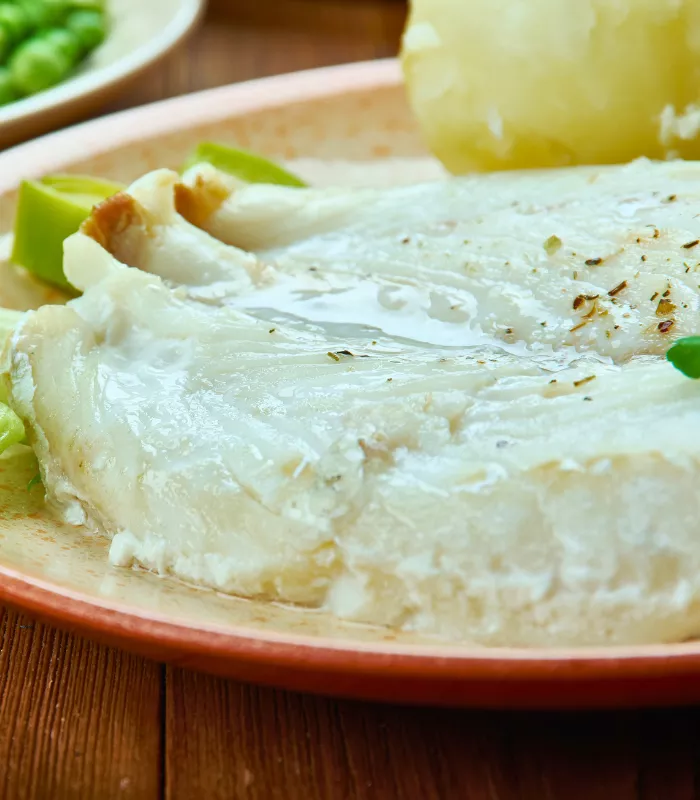
This dried fish soaked in lye smells like a mixture of soap and old fish. Norwegian immigrants brought this tradition to the American Midwest.
When prepared correctly, lutefisk tastes mild and slightly sweet. The consistency is tender and flaky, almost like pudding.
Churches in Minnesota serve over 50,000 pounds of lutefisk at holiday dinners each year. The tradition remains strong in Scandinavian-American communities.
9. Hongeo, South Korea
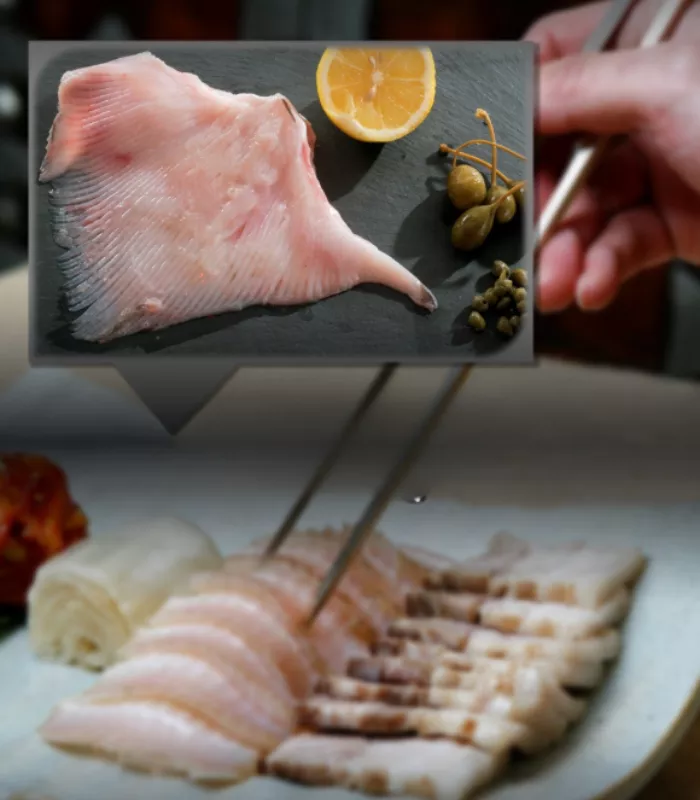
This fermented ray fish smells worse than any public toilet. The smell of ammonia arises from the breakdown of uric acid in the meat.
Koreans in certain regions consider hongeo to be a delicacy worth the smell. It tastes chewy and slightly sour with a tingling feeling on the tongue.
Only about 5% of South Koreans eat hongeo regularly today. The tradition is strongest in the southwestern coastal areas where it originated.
10. Asa Foetida spice, India
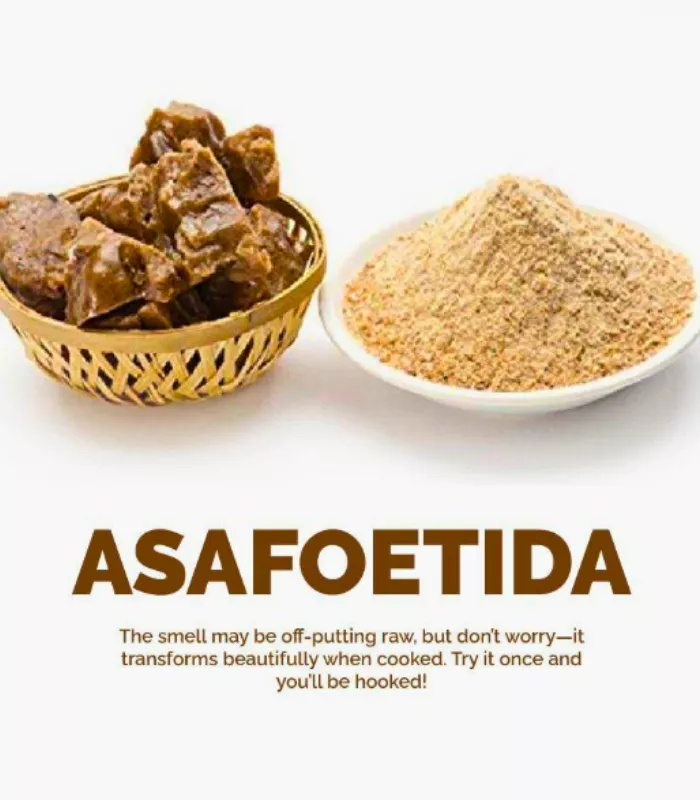
This spice smells like rotten garlic mixed with dirty socks. Because of its strong smell, Indians call it “devil’s dung”.
That's why it completely transforms when cooked. Asa-foetida adds a gentle, onion-like flavor to dishes without leaving a bad smell.
Just a small pinch adds flavor to a whole potful of flavor. Many Indian vegetarian dishes use this spice to add depth and complexity.
11. Kimchi, Korea
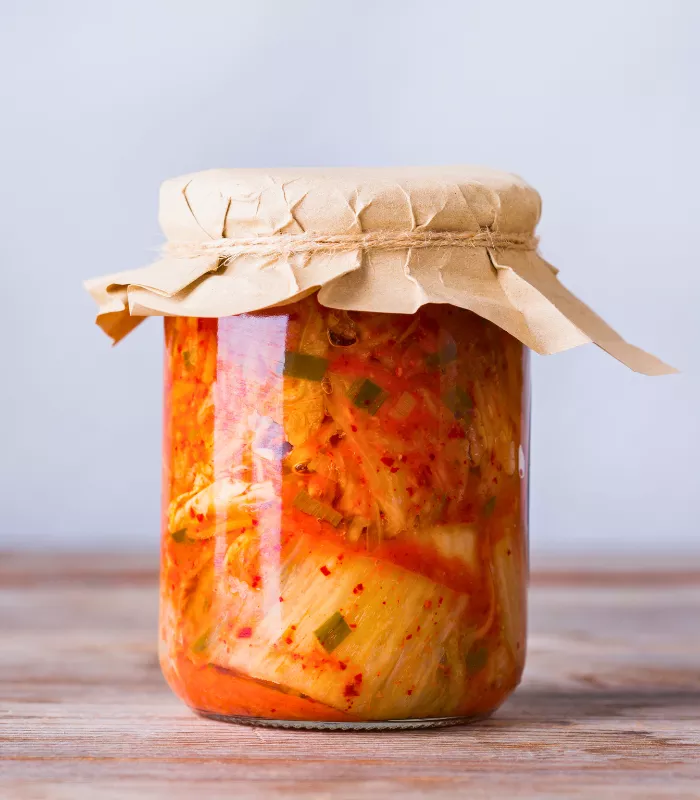
This fermented cabbage smells like old gym socks mixed with rotten vegetables. The sulfur compounds released during fermentation create the strong smell that fills your kitchen.
Kimchi tastes spicy, spicy and slightly sweet at the same time. The crunchy texture and complex flavors make it a perfect side dish for almost any meal.
Koreans eat over 1.5 million tons of kimchi every year. The fermentation process creates healthy bacteria that support digestive health.
12. Fish sauce
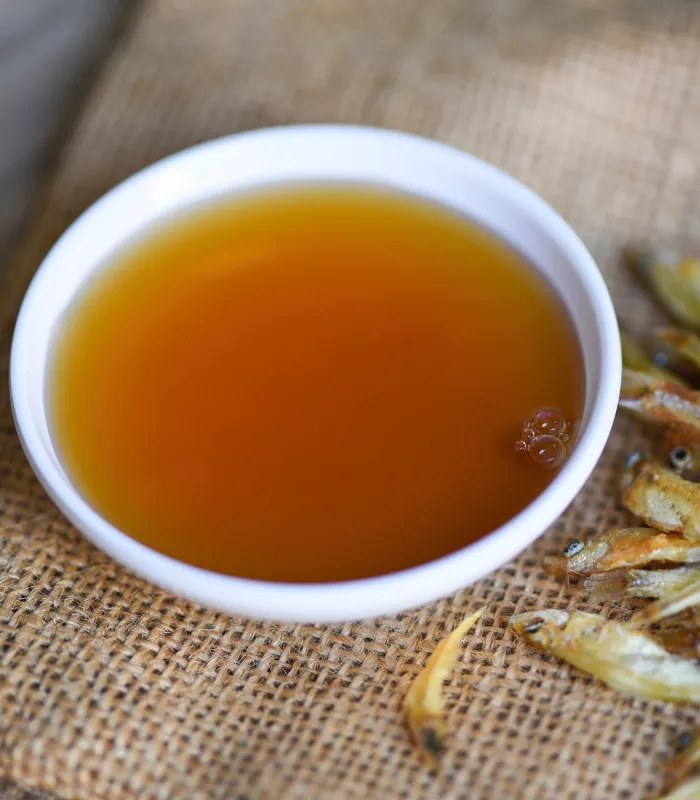
Fish sauce smells like an old fish market that was never cleaned. The fermented anchovies produce a smell that makes most people gag when they first open the bottle.
It is better never to smell the fragrance directly from the bottle. Just a few drops when cooking creates a deep, savory umami flavor that makes everything taste better.
The fermentation process lasts from several months to over a year. Enzymes break down fish proteins into amino acids, which give it its rich flavor.
13. Blue cheese
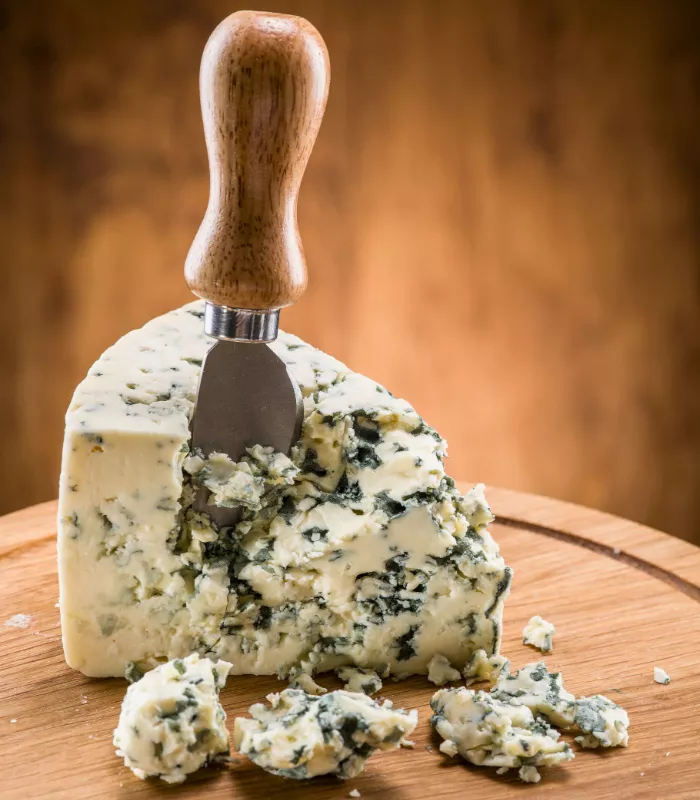
Blue cheese smells exactly like sweaty socks and dirty gym clothes. The Penicillium mold produces both the blue veins and the foot-like smell.
But here's the catch: blue cheese tastes creamy, nutty, and slightly salty with a buttery finish. As the mold ages, it produces flavors that have nothing to do with the smell.
The same bacteria that cause odor are also found in foot odor. Food scientists have discovered that when you eat, your saliva breaks these compounds down into pleasant flavors.
14. Cabbage
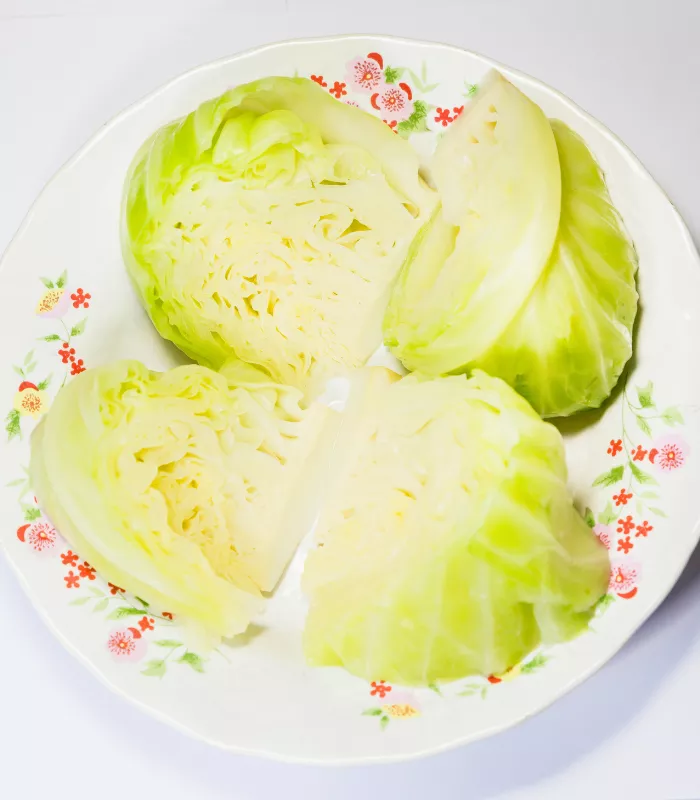
Cooked cabbage smells of sulfur and rotten eggs and fills the entire house. The glucosinolates in cabbage release hydrogen sulfide when cooked.
When prepared correctly, cabbage tastes mild, slightly sweet and crunchy. Cooking quickly over high heat keeps the smell at bay.
This vegetable is full of vitamin C and fiber. One cup of cooked cabbage provides about 50% of your daily vitamin C needs.
15. Brussels sprouts

Brussels sprouts smell like someone passed gas in your kitchen. The same sulfur compounds found in rotten eggs cause this unpleasant smell.
I made the classic mistake of cooking them low and slow for years. High heat and short cooking times produce crispy, nutty, slightly sweet vegetables that taste fantastic.
These mini cabbages contain more vitamin C per serving than oranges. They also contain fiber and antioxidants that support overall health.
16. Surströmming
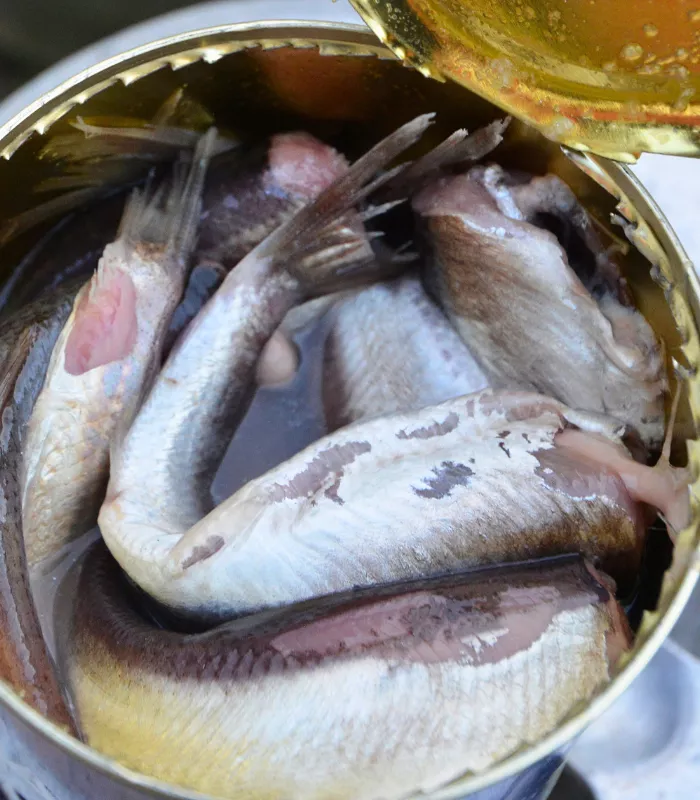
This fermented herring smells like the worst rotting fish imaginable. Swedes traditionally open surströmming cans outdoors because the smell is so strong.
The taste is round, hot, spicy and hearty at the same time. When made with the right accompaniments like potatoes and pita bread, it doesn't taste the same as it smells.
Fermentation continues inside the can, causing it to bulge. Many airlines ban surströmming because cans could explode under pressure in the cabin.
17. Huitlacoche
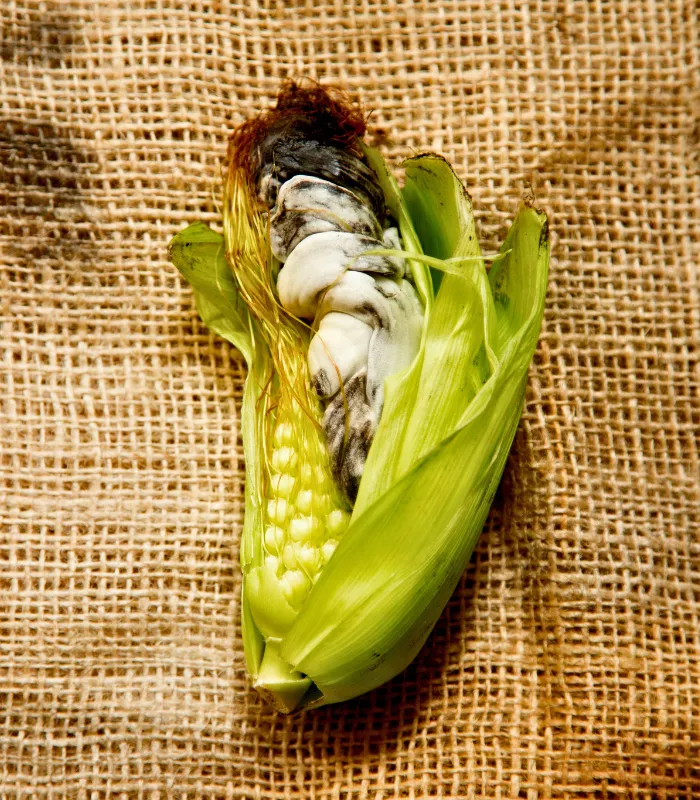
This corn mushroom smells earthy and musty like spoiled mushrooms. The black, sticky appearance makes it even less attractive to look at.
Huitlacoche tastes rich, earthy, and slightly sweet when cooked with onions. Mexicans call it the truffle of America because of its complex flavor.
Farmers once viewed this corn blast disease as a crop failure. Now chefs in Mexico City are charging top dollar for dishes featuring this delicacy.
18. Anchovies
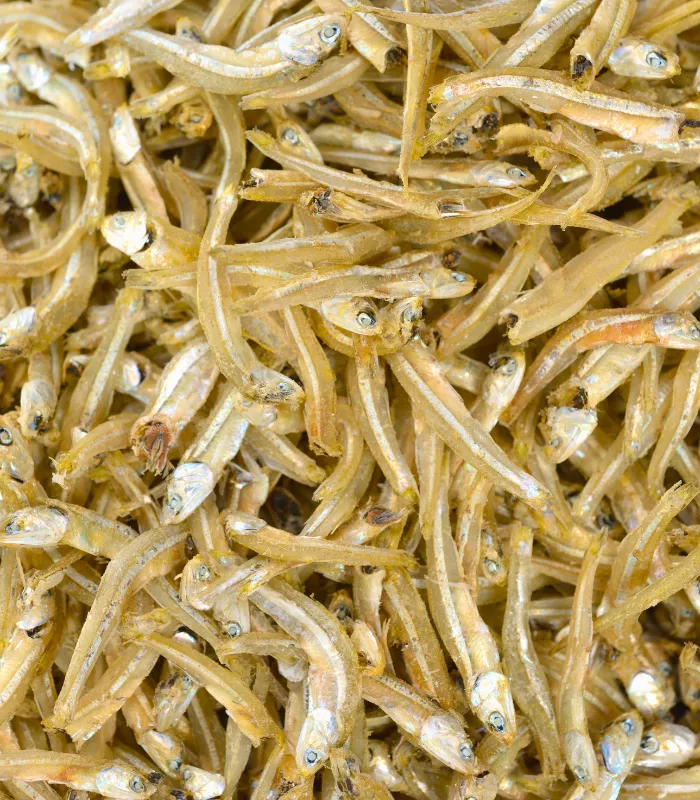
Fresh anchovies smell intensely fishy and salty straight from the can. The strong smell is caused by the breakdown of omega-3 fatty acids.
These tiny fish add a salty, savory depth to dishes without tasting fishy. They melt in hot oil and disappear into sauces.
Anchovies contain more calcium per serving than milk. Just two fillets cover around 10% of your daily calcium needs.
19. Marmite
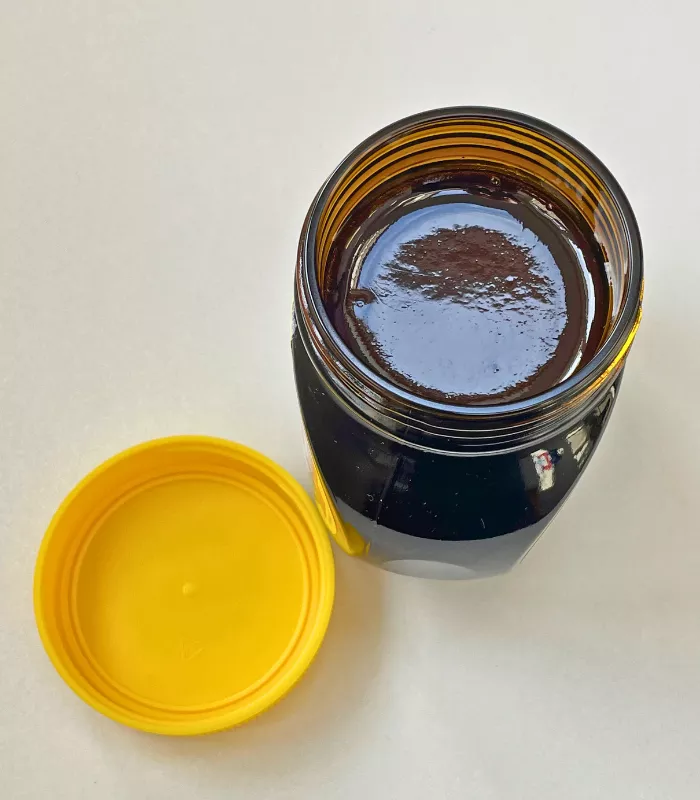
This yeast extract spread smells like concentrated soy sauce mixed with beer. The dark brown paste looks as unappetizing as it smells.
That’s why the British saying goes, “You either love it or you hate it.” Marmite tastes hearty, salty and slightly bitter with an intense umami depth.
One teaspoon contains about 50% of your daily B vitamin needs. This nutritional powerhouse is created from the brewer's yeast left over from beer production.
20. Sauerkraut

Sauerkraut smells sour and vinegary like pickles times ten. The lactic acid bacteria produce this pungent, fermented smell during the week-long process.
The taste is spicy, crisp and refreshing without being overpowering. Germans have been eating this fermented cabbage for over 2,000 years.
One cup of sauerkraut contains billions of probiotic bacteria. These healthy microbes support gut health and strengthen your immune system.
21. Hard-boiled eggs
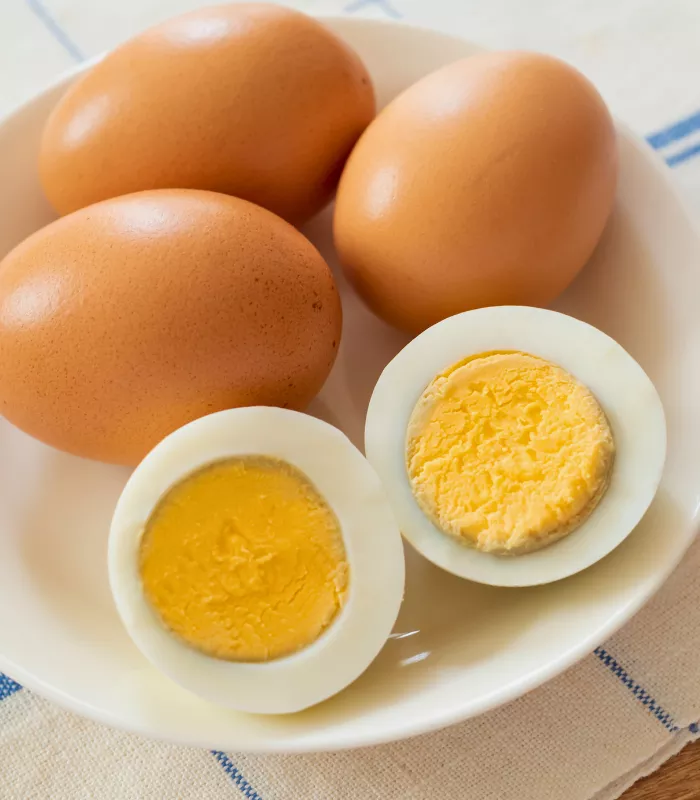
Hard-boiled eggs smell like sulfur and spoiled food if they are overcooked. Hydrogen sulfide gas is produced when eggs are cooked for too long or at too high a temperature.
But here's the thing: Properly cooked eggs taste mild, creamy, and satisfying. The yolk should be light yellow, not gray or green around the edges.
Cooking eggs in boiling water for exactly 10-12 minutes prevents the sulfur smell. A large egg provides 6 grams of protein and costs less than 25 cents.