Somewhere after 50 you realize that the real thrill is waking up without any indigestion.
You are no longer impressed by flaming plates and dramatic sauces.
You're impressed by a quiet bathroom and a steady heartbeat at 2 a.m
Restaurant menus read like a crime novel.
You happen to be the prime suspect.
Chefs already know what dishes are plotting against you.
You avoid them with the same focus you place on your blood pressure medications.
This kind of wisdom deserves a reserved table.
1. Well-done steak
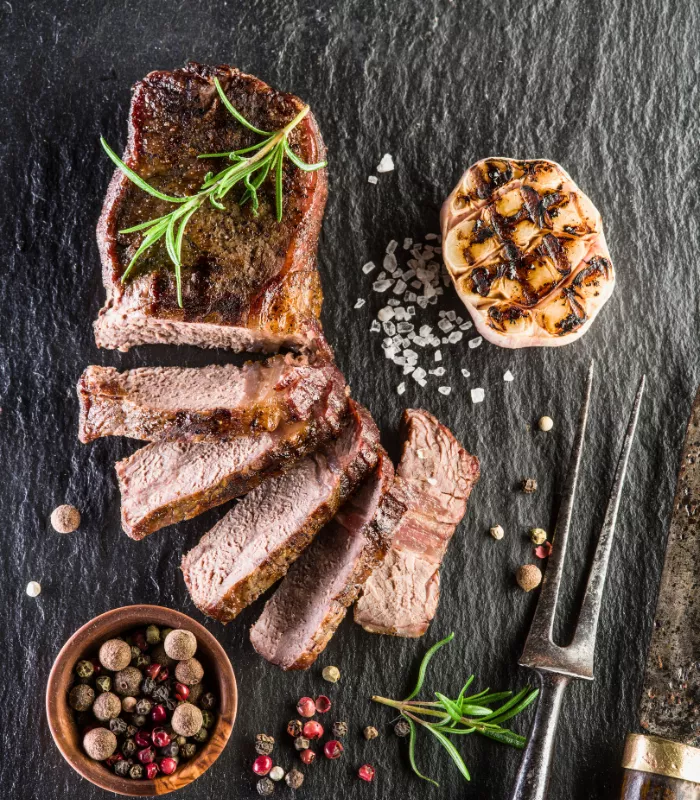
Chefs cringe when someone orders a quality, well-done steak. The high heat required destroys the natural flavor and texture of the meat.
You're essentially paying premium prices for shoe leather. A well-cooked steak will lose its juices and become tough and chewy.
Most high-end steakhouses use their best cuts for medium to rare orders. The overcooked steaks often come from inferior portions of the same quality.
2. Pre-made salads
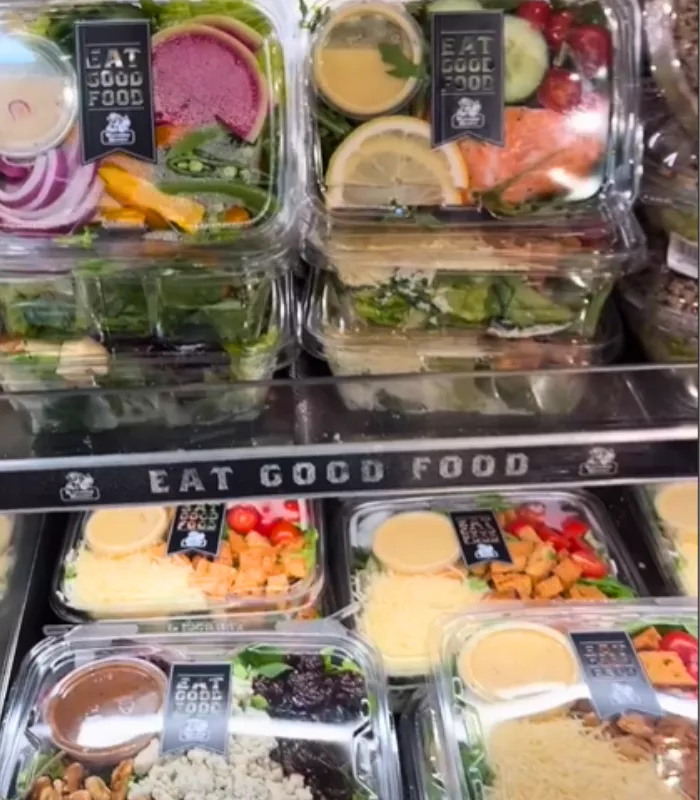
Restaurant salads that come pre-made often sit in walk-in coolers for hours. The vegetables will become mushy and the dressing will break down the fresh vegetables.
Cooks know that these salads were probably made in the slow hours of the morning. They sat under plastic wrap and lost nutrients and flavor.
That crisp, fresh taste from the garden? It disappeared hours before you ordered it. But here's the catch: Restaurants still charge top dollar for wilted lettuce.
3. Soup of the day on Monday
Monday's soup often contains leftovers from the weekend disguised as the dish of the day. Chefs use this trick to weed out aging ingredients before new shipments arrive.
The vegetable may be past its prime. The proteins could be from Friday's dinner.
Most restaurants receive fresh deliveries mid-week. That's why chefs order soup on Wednesdays or Thursdays, when the ingredients are actually fresh.
4. Fish on Sundays or Mondays
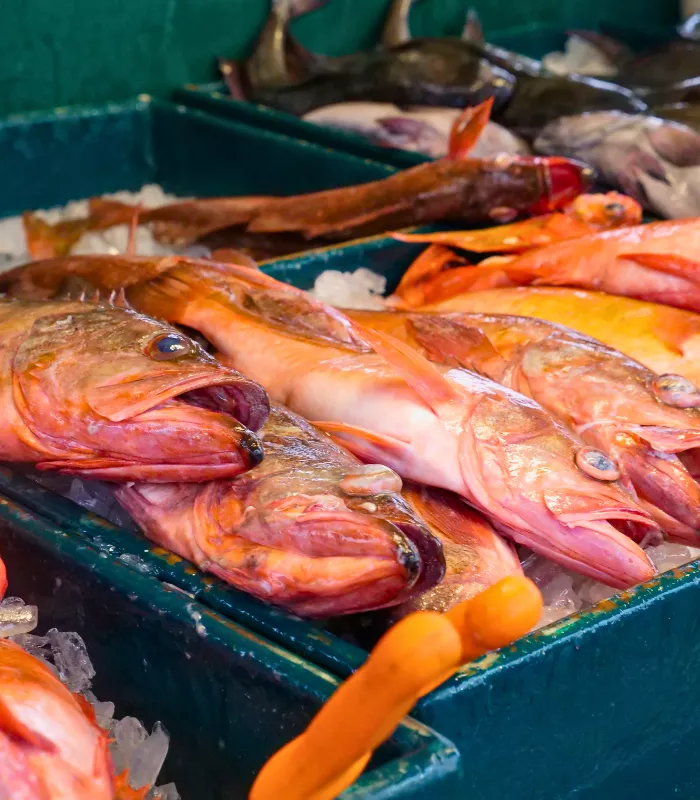
Fresh fish deliveries typically arrive at most restaurants Tuesday through Friday. The weekend fish has been idle since the last delivery.
The fish begins to lose quality within 24 hours of receiving it. On Sunday or Monday this “fresh catch” is anything but fresh.
The smell test takes place in the kitchen, not at your table. Chefs know which days have the freshest seafood and plan accordingly.
5. Chicken Caesar Salad
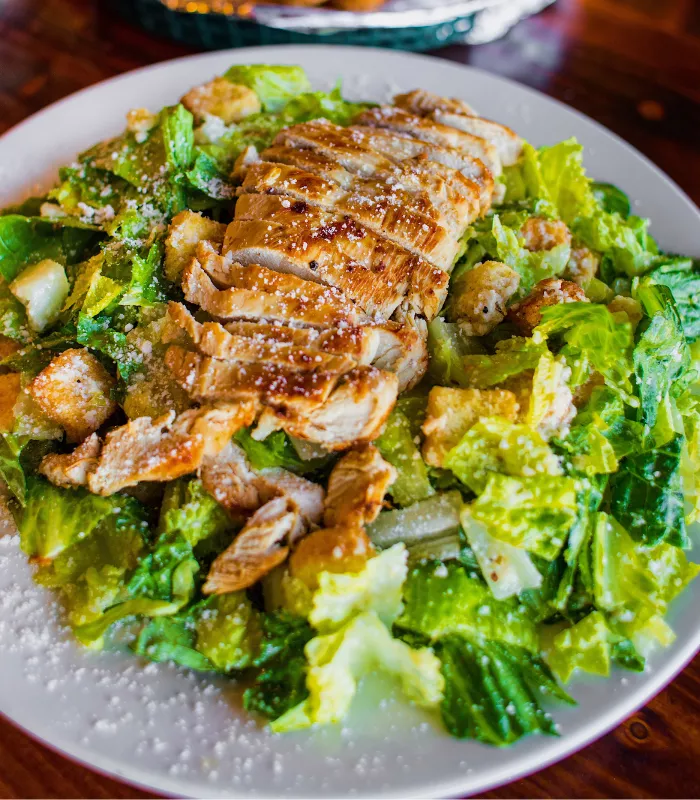
This popular menu item rarely includes freshly grilled chicken. Most restaurants use pre-cooked, reheated chicken breasts that have been stored in the refrigerator.
Caesar dressing often comes from a jar and is not freshly prepared. True Caesar dressing requires raw eggs, which many restaurants avoid for liability reasons.
You're paying restaurant prices for something you could do better at home. The convenience factor does not justify the price premium or the loss of quality.
6. Hollandaise sauce for brunch
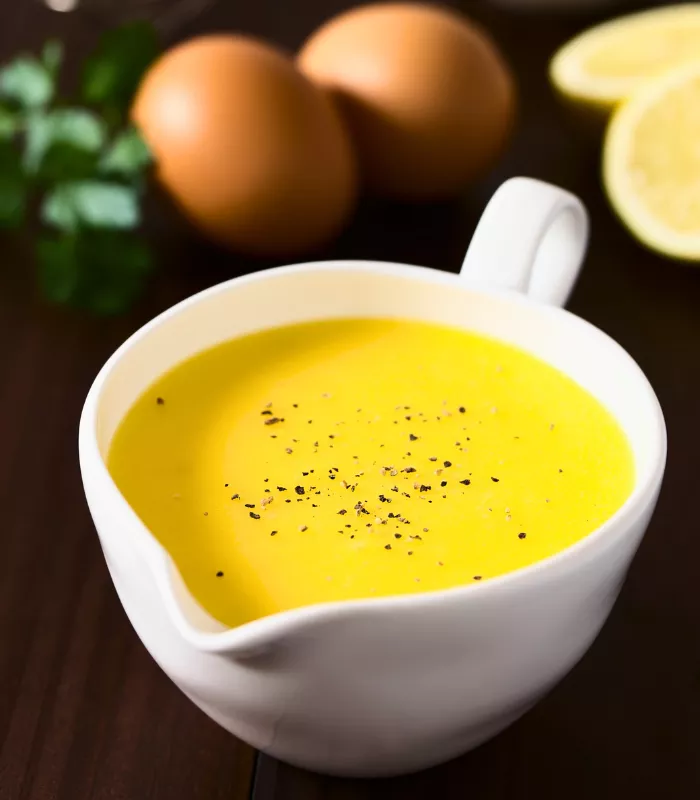
During the busy brunch service, hollandaise sauce sits on warming trays. This egg-based sauce becomes a breeding ground for bacteria if kept at inappropriate temperatures.
Properly preparing fresh hollandaise requires skill and constant attention. Most brunch places prepare large batches ahead of time and keep them warm for hours.
The butter separates, the consistency falls apart and the delicate taste disappears. That's why chefs avoid eggs Benedict unless they see the sauce made to order.
7. Pasta with seafood combinations
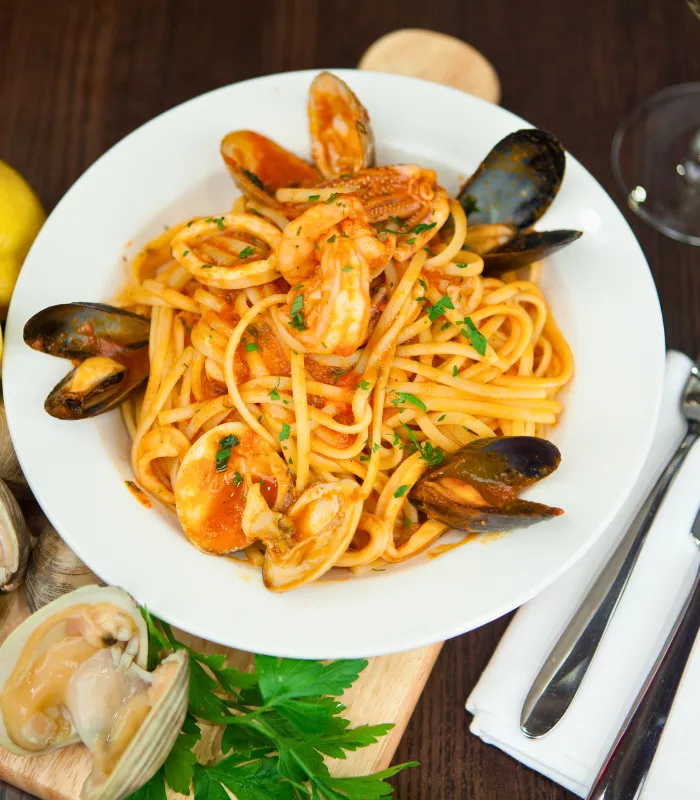
Mixed seafood pasta dishes combine different proteins that cook at different speeds. Shrimp, scallops and mussels all require precise timing.
In restaurants, these dishes are often pre-cooked separately and then warmed up together. The result is rubbery shrimp, tough scallops, and overcooked mussels.
It's better to order pasta with a single type of seafood. This ensures proper cooking and better quality control.
8. Complicated special offers with long descriptions

When a waiter recites a ten-ingredient specialty, it's often a sign that the kitchen is clearing out inventory. These elaborate dishes hide aging components under complex flavors.
Simple dishes require high-quality ingredients. Overly complicated specialties hide low-quality products with heavy sauces and strong spices.
Chefs trust restaurants to let their ingredients shine. A five-ingredient special shows confidence in freshness and quality.
9. Ketchup-based BBQ dishes

Ketchup-infused restaurant BBQ sauce usually masks substandard meat or improper smoking techniques. Real grilling is all about smoke, time and quality pieces.
The heavy, sweet sauce masks dry, undercooked protein underneath. Authentic BBQ requires minimal sauce because the meat stands on its own.
Chefs look for restaurants that serve gravy on the side. This shows the confidence that the meat does not need to be covered.
10. Mussels in casual restaurants

To preserve their freshness, mussels must be handled carefully and turned quickly. Casual dining establishments rarely have enough volume to justify adequate mussel service.
These shellfish spoil quickly and must be delivered daily. Many restaurants receive them once or twice a week, leaving them sitting for too long.
One bad mussel can ruin an entire pot. Chefs avoid them unless they are in a seafood-focused restaurant with high volume and daily deliveries.
11. Dishes with truffle oil
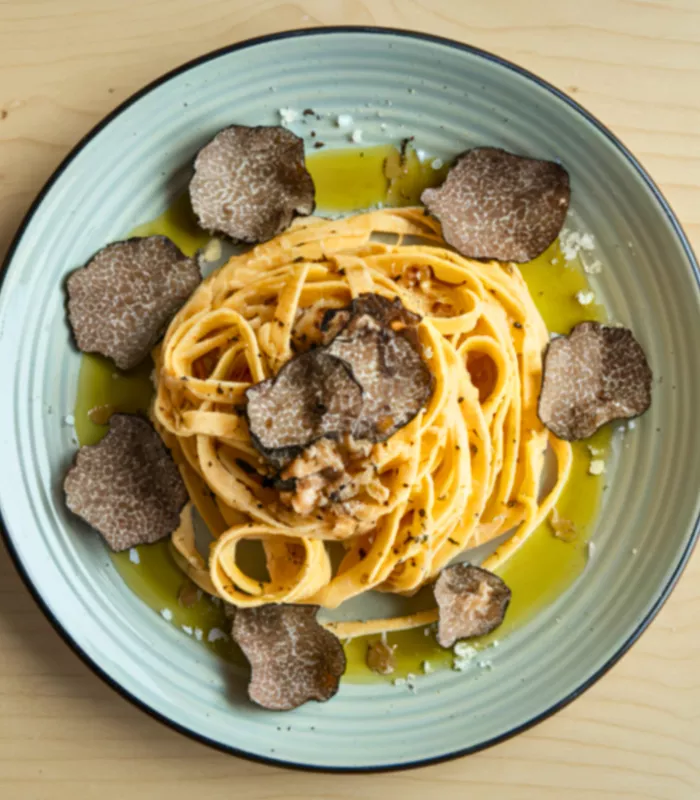
Most truffle oil does not contain actual truffles. Restaurants use synthetic chemicals to replicate the earthy flavor at a fraction of the cost.
The artificial flavor overwhelms delicate dishes and masks inferior ingredients. Real truffles offer complex, subtle flavors that synthetic oil cannot replicate.
Chefs know that truffle oil is one of gastronomy's greatest tricks. A few drops of cheap flavoring are passed off as luxury food.
12. Iced tea or drinks with ice
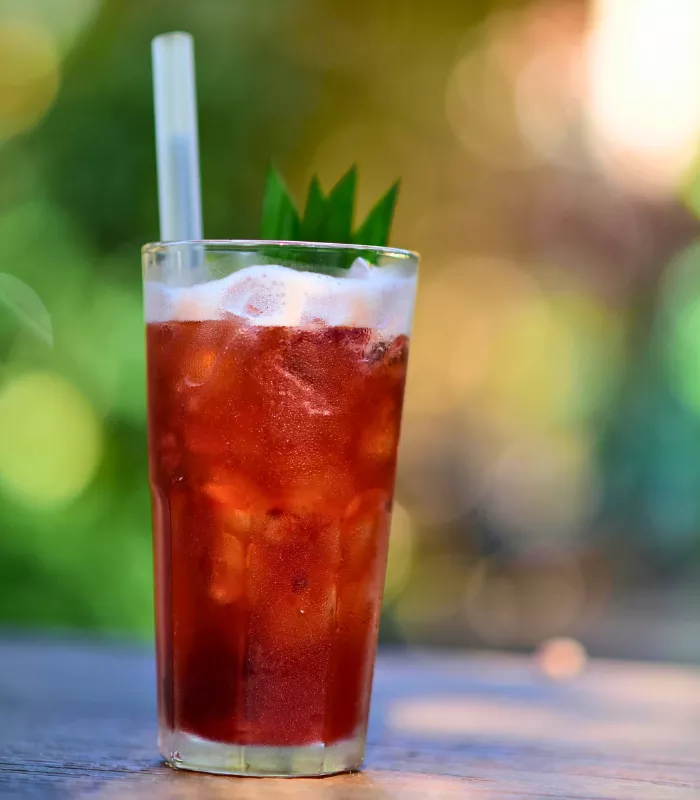
Restaurant ice machines rarely receive the thorough cleaning they need. Mold and bacteria grow in the damp, dark environment of these machines.
The water pipes that supply ice makers can lead to the formation of biofilms. This slimy substance contains harmful bacteria that contaminate each cube.
Health inspectors often find ice machines dirtier than toilet bowls. Chefs are avoiding drinks with ice and ordering bottled drinks instead.
13. Items from extremely long menus

A restaurant menu with 100 items means nothing is made fresh. The kitchen relies heavily on frozen, pre-made and reheated ingredients.
Quality restaurants focus on a smaller menu with dishes that they prepare exceptionally well. If you see endless possibilities, it signals that the kitchen lacks focus and skill.
Each additional menu item increases the amount of inventory in stock. More inventory means older ingredients and lower quality food overall.
14. Tap beer in slow phases
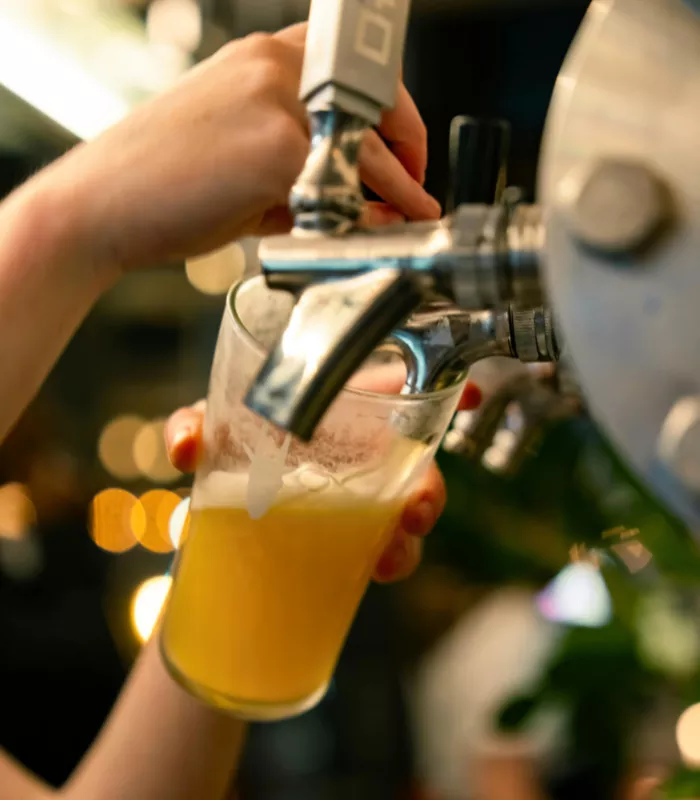
Beer lines need to be cleaned regularly to prevent mold and bacteria from forming. Many bars skip this maintenance step, allowing debris to build up in the pipes.
Draft systems that remain unused during slow periods increase the rate of contamination. The stagnant beer becomes a breeding ground for unwanted aromas and possible illnesses.
Instead, order bottled beer or ask when the pipes were last cleaned. Most bars can't give you a clear answer about their cleaning schedule.
15. Scrambled eggs at brunch
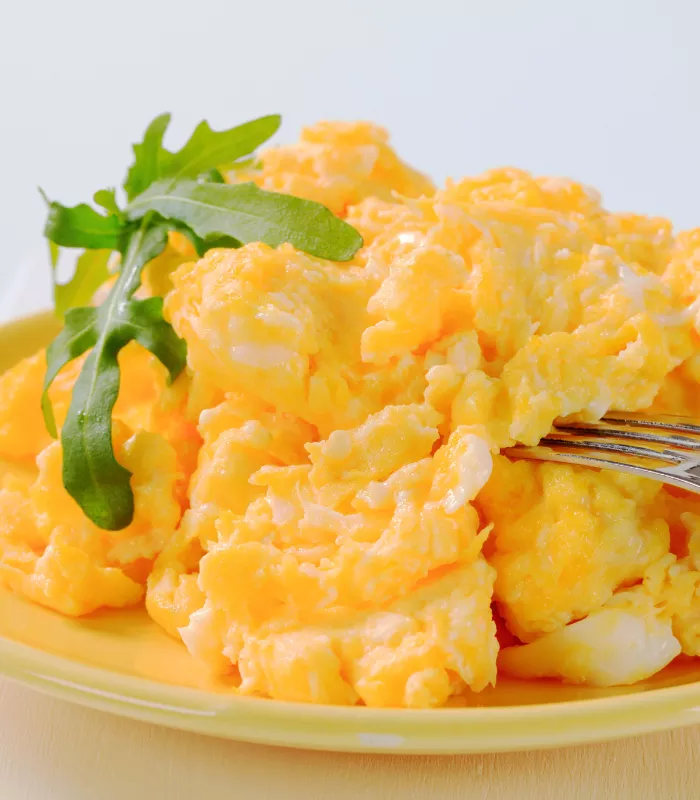
Restaurants often pre-scramble dozens of eggs and leave them until they are ordered. The mixture oxidizes and loses freshness within a few minutes of cracking.
Reheating pre-made scrambled eggs creates a rubbery, watery consistency. The eggs release moisture and turn gray if kept for too long.
Fresh scrambled eggs take less than three minutes to cook properly. It's not worth trusting a restaurant that cuts corners on this simple dish.
16. Sushi in non-Japanese restaurants
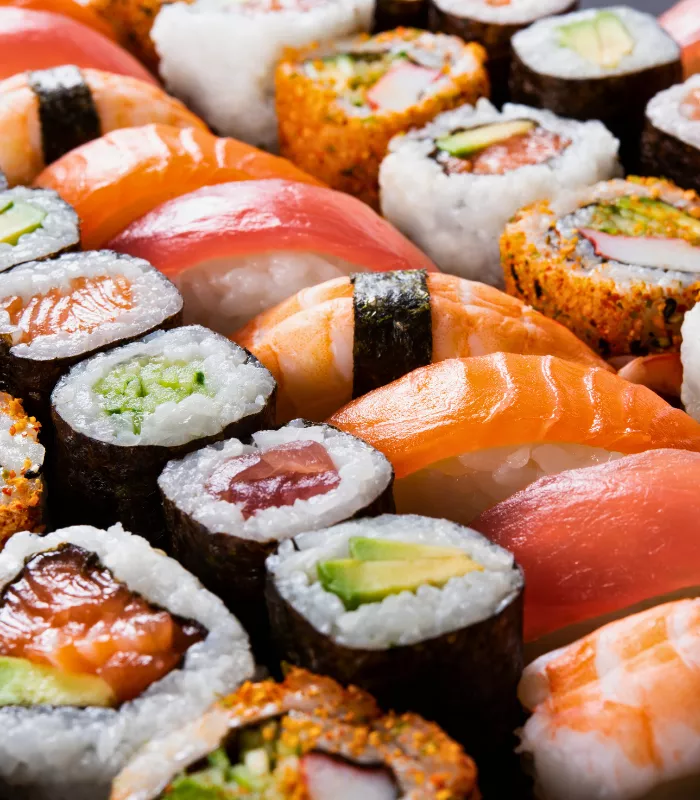
If a restaurant offers sushi in addition to burgers and pasta, the quality of the raw fish becomes questionable. These establishments lack the expertise and suppliers needed to provide a safe sushi service.
Proper sushi requires special training in fish handling and food safety. A general restaurant kitchen staff rarely has this knowledge or certification.
The fish probably comes frozen from the same retailer that supplies restaurant chains. You pay top dollar for grocery store quality seafood.
17. Raw oysters in casual places
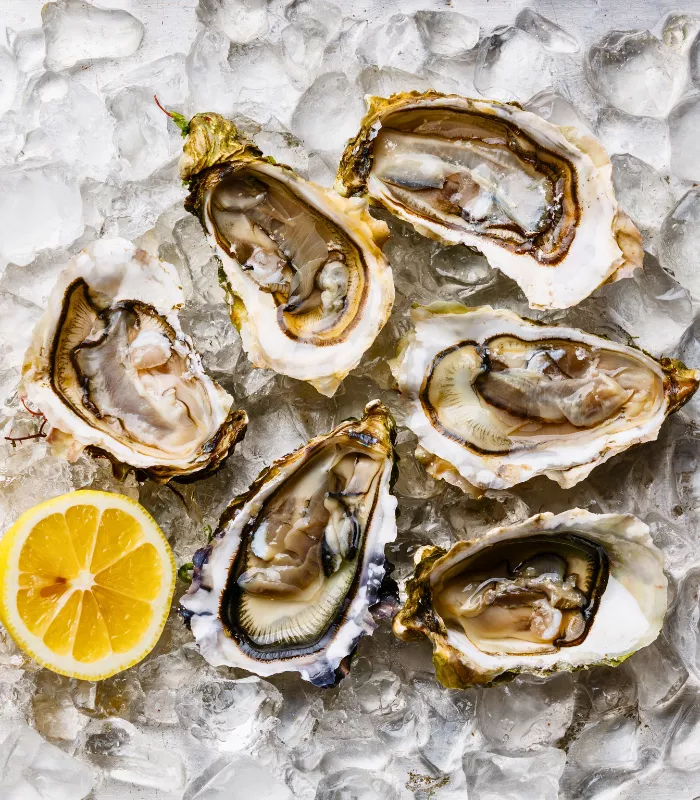
Raw oysters can carry hepatitis A and Vibrio bacteria, which cause serious illness. Casual restaurants often lack proper storage and handling protocols for raw shellfish.
Oysters must be kept at a precise temperature from harvest to serving. An hour of improper storage can cause dangerous bacteria to multiply rapidly.
High-quality seafood restaurants with appropriate certifications and daily deliveries are the only safe choice. Opportunity sites cannot justify the infrastructure required to provide safe oyster service.
18. Free bar snacks
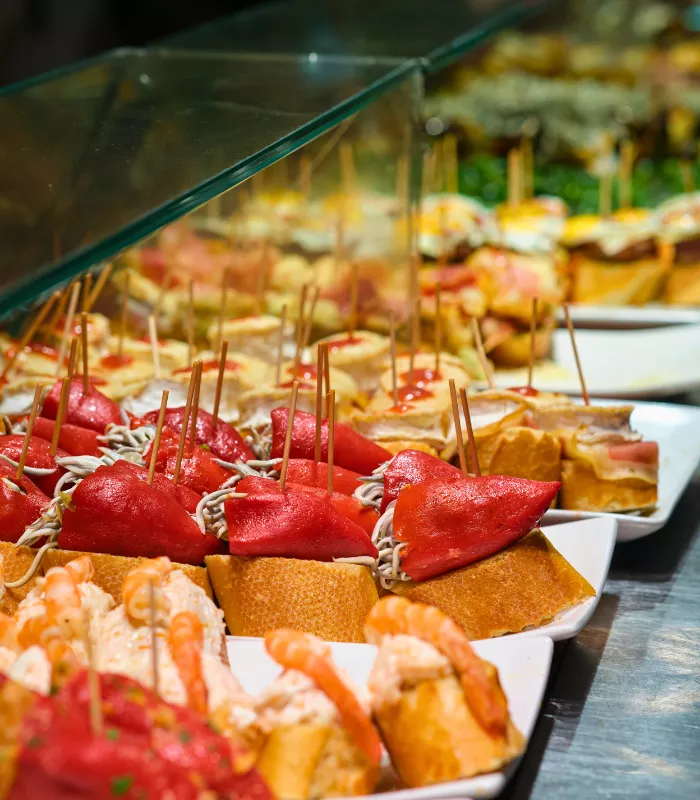
These bowls of pretzels and peanuts have been touched by countless unwashed hands. Studies show that bar snacks contain feces and other harmful bacteria.
The bars keep refilling the same bowls day and night. The snacks below could have been sitting there for weeks.
These freebies are designed to make you thirsty and order more drinks. The salt content drives drink sales while the germs drive you to the doctor.
19. Anything not on the specialty menu
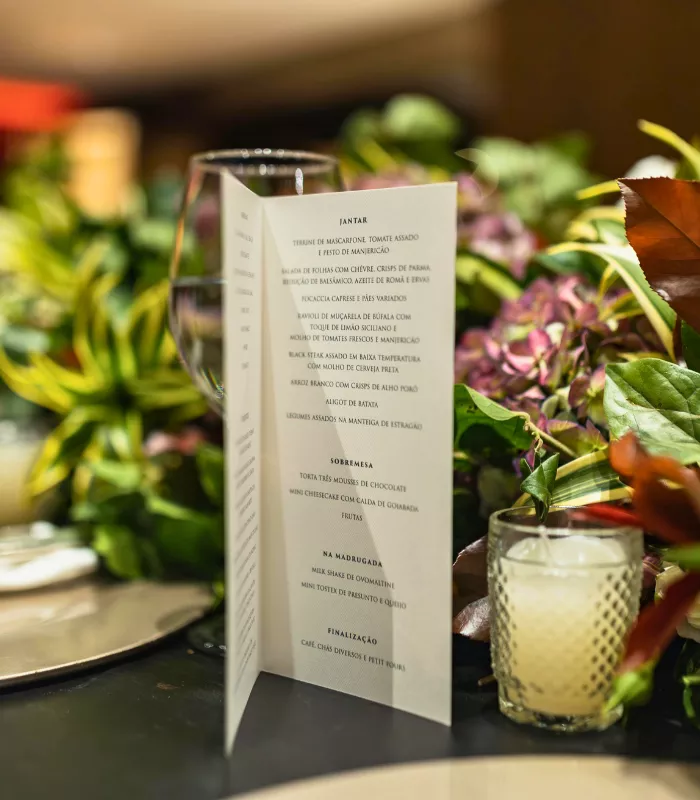
If you happen to see pizza at a seafood restaurant or BBQ at an Italian restaurant, avoid it. These outliers only serve to please picky eaters and do not demonstrate any culinary skills.
In the kitchen, these foods are likely frozen and simply reheated to order. They receive minimal attention compared to the restaurant's actual specialty dishes.
Chefs order what the restaurant does best. A sushi shop should serve sushi, a steakhouse should serve steak, and a pizzeria should serve pizza.