You know you're smart when you read the fine print on a label, but sugar still sneaks past you like a teenager after curfew.
It shows up at breakfast with a smile, comes back for lunch, and treats you to dessert in the evening.
Somewhere between coffee creamer and “light” yogurt, the grams add up quietly.
You are negotiating with a molecule that has better marketing than most politicians.
Experience teaches you many things, and one of them is that sugar never arrives alone.
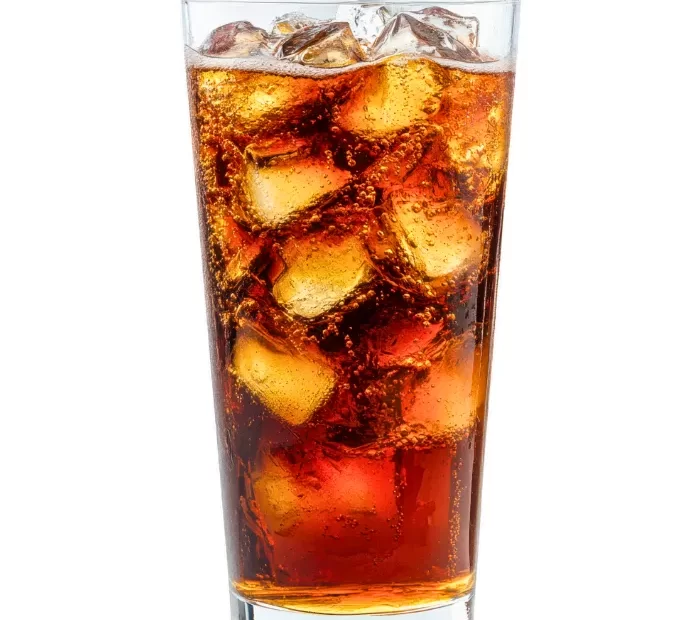
1. Regular lemonade

A single 12-ounce can of regular soda contains about 39 grams of sugar. That's almost 10 teaspoons in one drink.
Americans consume an average of 40 gallons of soda per person each year. Many grew up when soda was marketed as a harmless treat with every meal.
The sugar quickly enters your bloodstream and causes your blood sugar to spike within minutes. Your pancreas then works overtime to produce insulin.
Despite being aware of the health risks, millions of Americans find it nearly impossible to kick the habit.
The carbonation and cold temperature obscure how sweet these drinks actually are.
2. Sweetened breakfast cereals
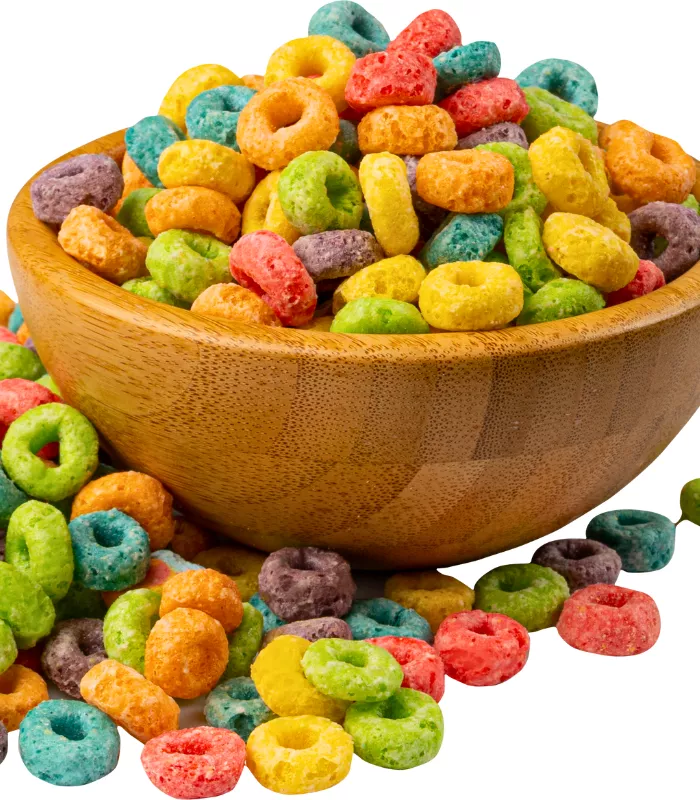
Popular breakfast cereals contain 12 to 20 grams of sugar per serving. Most people pour more than the recommended serving size.
What was marketed as a healthy start to the day is actually dessert in a bowl. Some brands contain more sugar per ounce than chocolate chip cookies.
The bright colors and cartoon mascots from childhood create strong emotional connections. These brands became family traditions passed down through generations.
The breakfast aisle remains one of the highest sugar areas in any grocery store.
Children who grew up eating these cereals often continue this pattern as adults.
3. Flavored yogurt

A standard container of flavored yogurt contains 15 to 30 grams of sugar. This is more than a glazed donut.
Natural yogurt naturally contains about 7 grams of sugar from lactose. Anything beyond that is mixed with sweeteners and fruit syrups.
The health halo effect makes people believe they are making good decisions. Marketing emphasizes probiotics and protein while downplaying sugar content.
The gap between perception and reality makes flavored yogurt one of the most insidious sources of sugar.
Manufacturers know that “fruit at the bottom” sounds healthier than “syrup at the bottom.”
4. Sweet tea

A large sweet tea from a restaurant contains 40 to 60 grams of sugar. In the South it is practically a cultural institution.
Many restaurants prepare their sweet tea with one cup of sugar per gallon. Some use even more to meet customer expectations.
The drink is associated with hospitality, family gatherings and regional pride. For many, switching to unsweetened foods feels like giving up tradition.
Regional identity and personal taste preferences come together in every glass.
If you ask for unsweetened tea at some restaurants in the South, you'll get confused looks.
5. Barbecue sauce

Two tablespoons of barbecue sauce yield 12 to 16 grams of sugar. Most people use a lot more for ribs or chicken.
Sugar is the second or third ingredient in most popular brands. It balances out the vinegar and creates that gooey, caramelized coating that everyone loves.
Grilling and barbecues are a tradition in summer. The sauce has become an integral part of outdoor cooking and family barbecues.
The sugar content creeps in because most people focus on the savory aspects of the meal.
The shiny surface of grilled meat comes almost exclusively from caramelized sugar.
6. Ketchup

One tablespoon of ketchup contains 4 grams of sugar. Americans use an average of 3 bottles per household annually.
This seemingly small amount adds up when used multiple times a day. A typical burger and fries may contain 4 to 5 tablespoons.
It is the standard condiment on all tables. Many people add it to food automatically and without thinking.
The squeeze bottle makes pointless squirting at every meal far too easy.
Some people put ketchup on almost everything, which dramatically increases sugar intake.
7. Chocolate milk

An 8-ounce glass of chocolate milk contains 20 to 25 grams of sugar. Children who grew up drinking it often continue to drink it into adulthood.
It was promoted as a healthy post-workout recovery drink. The protein and calcium gave it credible nutritional value.
The nostalgia factor is strong. It represents childhood comforts and simpler times.
Adult consumer behavior reflects childhood habits more often than most people realize.
The creamy sweetness provides an instant pleasure that cannot be achieved with regular milk.
8. Glazed donuts

A glazed donut contains 10 to 15 grams of sugar. The glaze alone makes up the majority of it.
Donut shops became social gathering places in many communities. Morning coffee trips became daily rituals.
The combination of sugar and fat creates a maximum pleasure response in your brain. That's why a donut feels rare enough.
Because of the social element, refusing a donut feels like an abandonment of the friendship itself.
Due to the delicately melting texture, they disappear faster than you notice the fullness.
9. Fruit juice

A 12-ounce glass of orange juice contains 33 grams of sugar. It's similar to lemonade, even without added sweeteners.
The natural sugars from concentrated fruits affect your body in the same way as added sugars. The fiber that would slow absorption is gone.
For decades, juice was marketed as synonymous with eating fruit. Many still believe that it is a healthy choice for breakfast.
The vitamin content creates a misleading impression that overshadows the reality of sugar.
Drinking juice feels virtuous while providing the same sugar rush as soda.
10. Sweetened coffee drinks

A large flavored latte macchiato contains 30 to 50 grams of sugar. The seasonal specials offer even more with whipped cream and drizzle.
Coffee shops transformed plain coffee into dessert drinks. The afternoon coffee break became a daily treat.
These drinks combine caffeine addiction with sugar cravings. You get a double dependency in one cup.
The ritual of going to the coffee shop makes the drink feel like a necessary daily reward.
Since the flavors are limited time, it is urgent to buy them before they disappear from the menu.
11. Ice cream

Half a cup of regular ice cream contains 14 to 24 grams of sugar. Most people eat at least one cup at a time.
Americans consume about 23 pounds of ice cream per person annually. It is the standard dessert for celebrations and summer nights.
The creamy texture combined with cold sweetness creates a unique sensory experience. With every spoonful, your brain releases feel-good chemicals.
Few desserts can match the emotional comfort that ice cream provides in any situation.
The cold temperature numbs your taste buds a bit, so you have to eat more to get the same sweetness.
12. Granola bars

One granola bar contains 8 to 12 grams of sugar. The “healthy snack” label ensures that people eat it without feeling guilty.
Many brands use honey, brown rice syrup, or fruit concentrates. These sound healthier, but affect your blood sugar in the same way.
They are marketed as energy boosters for an active lifestyle. The practical factor makes them an indispensable part of your handbag and desk drawer.
The packaging and marketing creates an illusion of nutritional benefits that does not reflect reality.
The chewy texture and oatmeal hide what is essentially a better branded candy bar.
13. Canned fruit in syrup

Half a cup of canned peaches in strong syrup contains 20 grams of sugar. That's double what fresh peaches would have.
Canned fruit has been a pantry staple for generations. It represented convenience and year-round access to fruit.
The syrup makes the fruit taste sweeter and more dessert-like. Many grew up with it and prefer the enhanced flavor.
Due to budget constraints and shelf life concerns, canned fruit is a regular feature in many homes.
The fruit inside provides just enough nutritional value to justify the syrup.
14. Sweetened Iced Tea (Bottled)
A 16-ounce bottle of sweetened iced tea contains 30 to 42 grams of sugar. That's more than a can of Coke.
Because of the tea association, bottled tea appears to be healthier than soda. The antioxidant information dwarfs the sugar content.
It has become the favorite drink in convenience stores and vending machines. The variety of flavors makes it interesting.
The tea label covers what is essentially flavored sugar water.
People who would never drink soda like to consume bottled tea with identical sugar content.
15. Pastries and Danish pastries

One Danish cheese contains 20 to 28 grams of sugar. The glaze and fruit filling add even more.
Baked goods represent special treatment and enjoyment. Grabbing one with your morning coffee feels like a small luxury.
The flaky layers and sweet fillings add textural complexity. Your mouth experiences multiple pleasures with every bite.
The presentation of the bakery display case makes resistance in the tricky morning hours almost impossible.
The smell of freshly baked pastries triggers cravings before you even see them.
16. Flavored instant oatmeal

One package of flavored instant oatmeal contains 10 to 15 grams of sugar. The simple version naturally has less than a gram.
It is marketed as heart-healthy and filling. The convenience of instant preparation makes busy mornings easier.
Many remember eating these on cold mornings as children. The aromas like brown maple sugar trigger a nostalgic comfort.
The whole grain message successfully distracts from the candy-like sweetness in each package.
The warm, soothing bowl feels like responsible self-care on a hectic morning.
17. Store-bought muffins

A blueberry muffin from a cafe contains 30 to 40 grams of sugar. This is essentially cake disguised as breakfast.
Muffins have been rebranded from dessert to acceptable morning meal. The fruit or bran versions carry an undeserved health halo.
The large size and moist consistency make them filling. They go perfectly with coffee and are a complete meal replacement.
The breakfast context gives muffins permission that cakes would never get at 8 a.m.
The paper packaging makes them feel more serious than eating cake with your hands.